GroundCycle
UX Design / Product Design
GroundCycle
Project Detail
Academic UX
Interaction Design Project
Simulated Product Experience
Role
UX Design
Interaction Design
Front-end Prototyping
Duration
3 Months
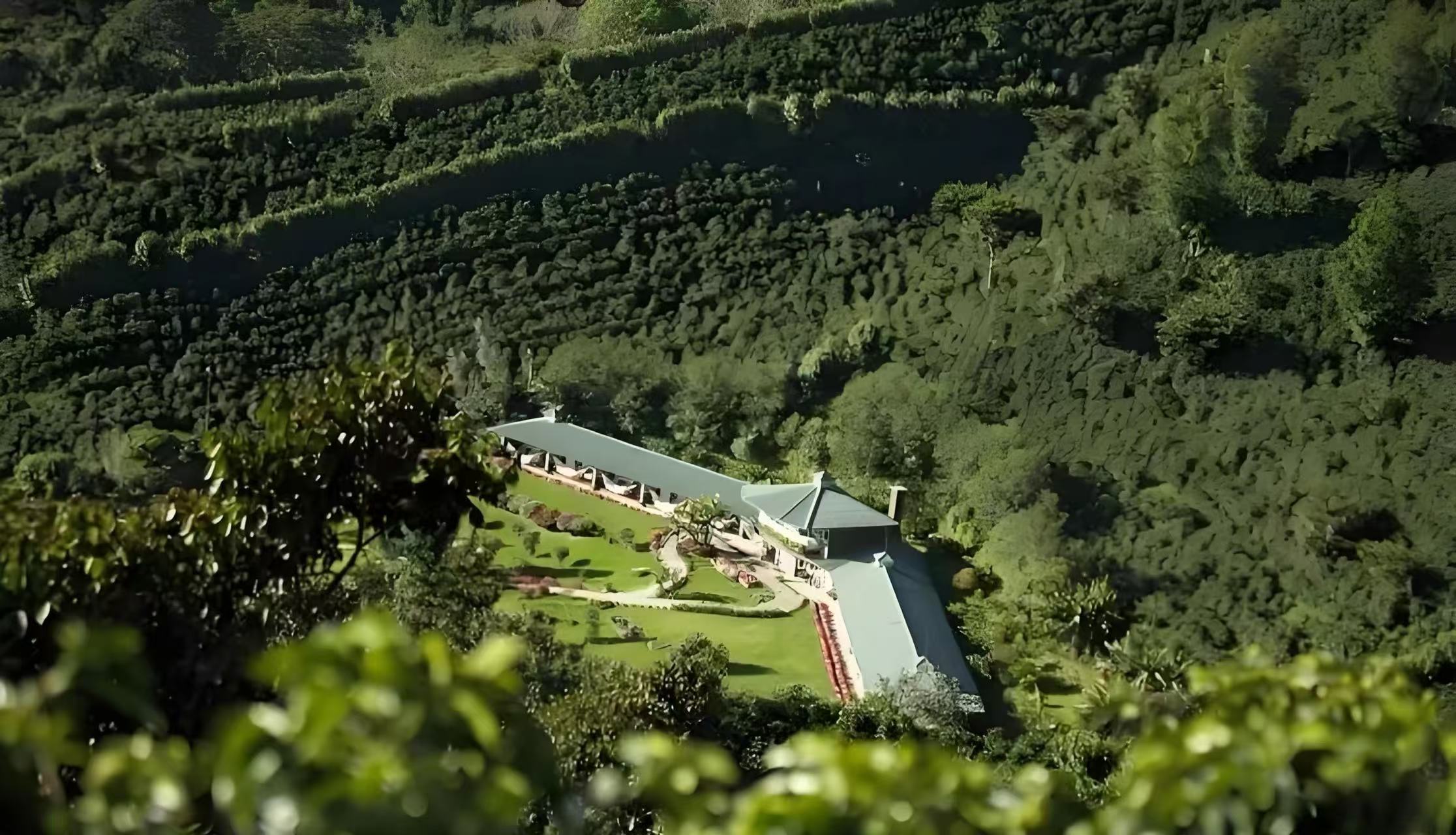
Overview.
GroundCycle is a closed-loop system that transforms coffee grounds from everyday waste into reusable materials by connecting consumers, coffee shops, recycling stations, and manufacturers through a unified digital platform.
The Challenge
Coffee grounds are produced in large quantities every day, yet most are discarded as waste despite their potential for reuse. The challenge was to create an accessible recycling system that connects consumers, coffee shops, and recycling facilities, making coffee-ground collection easier while encouraging participation through a seamless physical and digital experience.
The Outcome
A closed-loop recycling system that connects users, coffee shops, farmers, and merchants—turning coffee grounds from everyday waste into a shared, reusable resource across the entire ecosystem.
Features & System Design
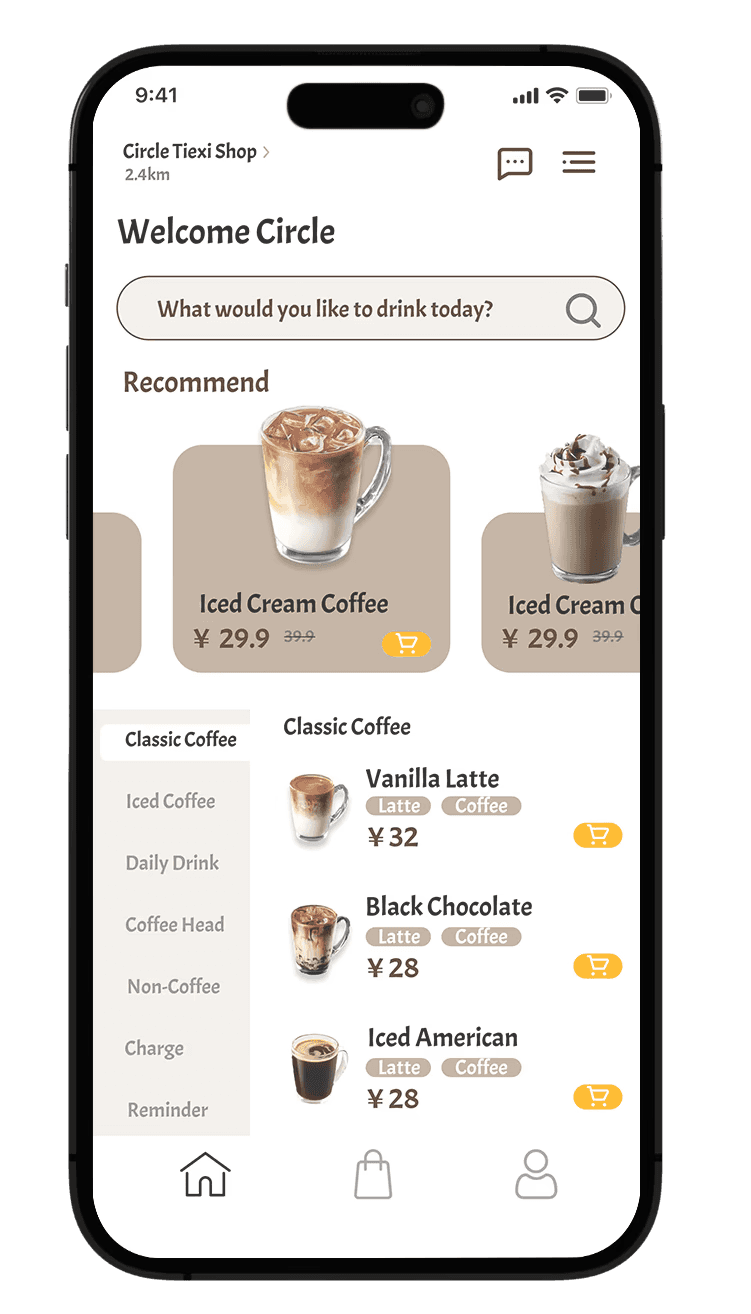
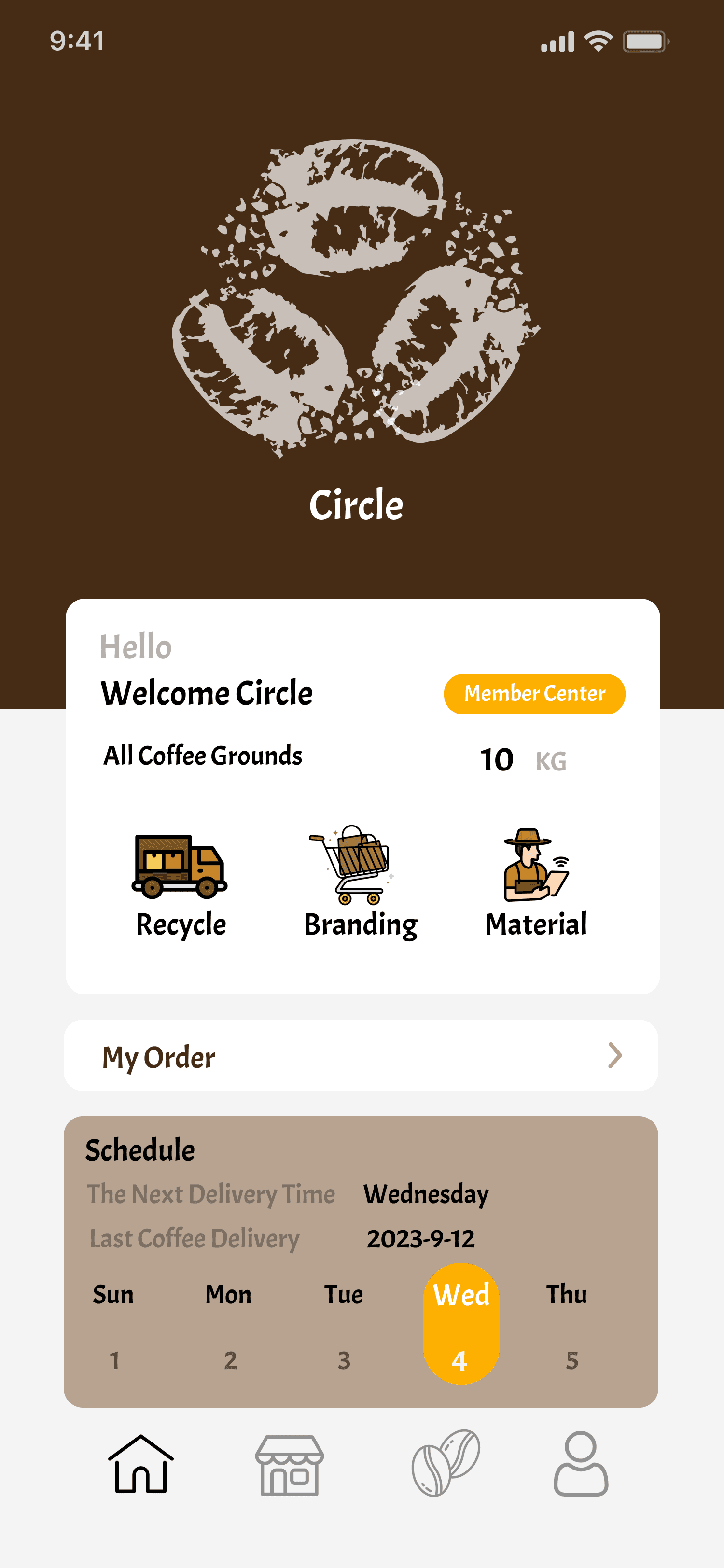
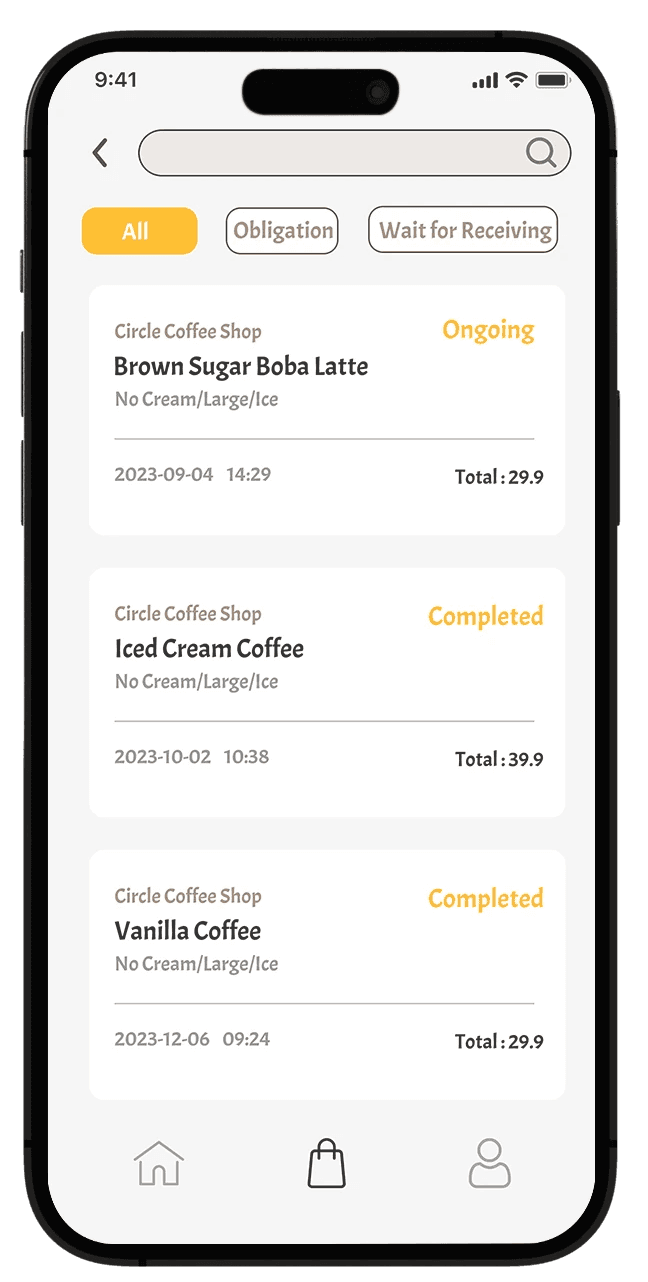
Order Coffee in Seconds
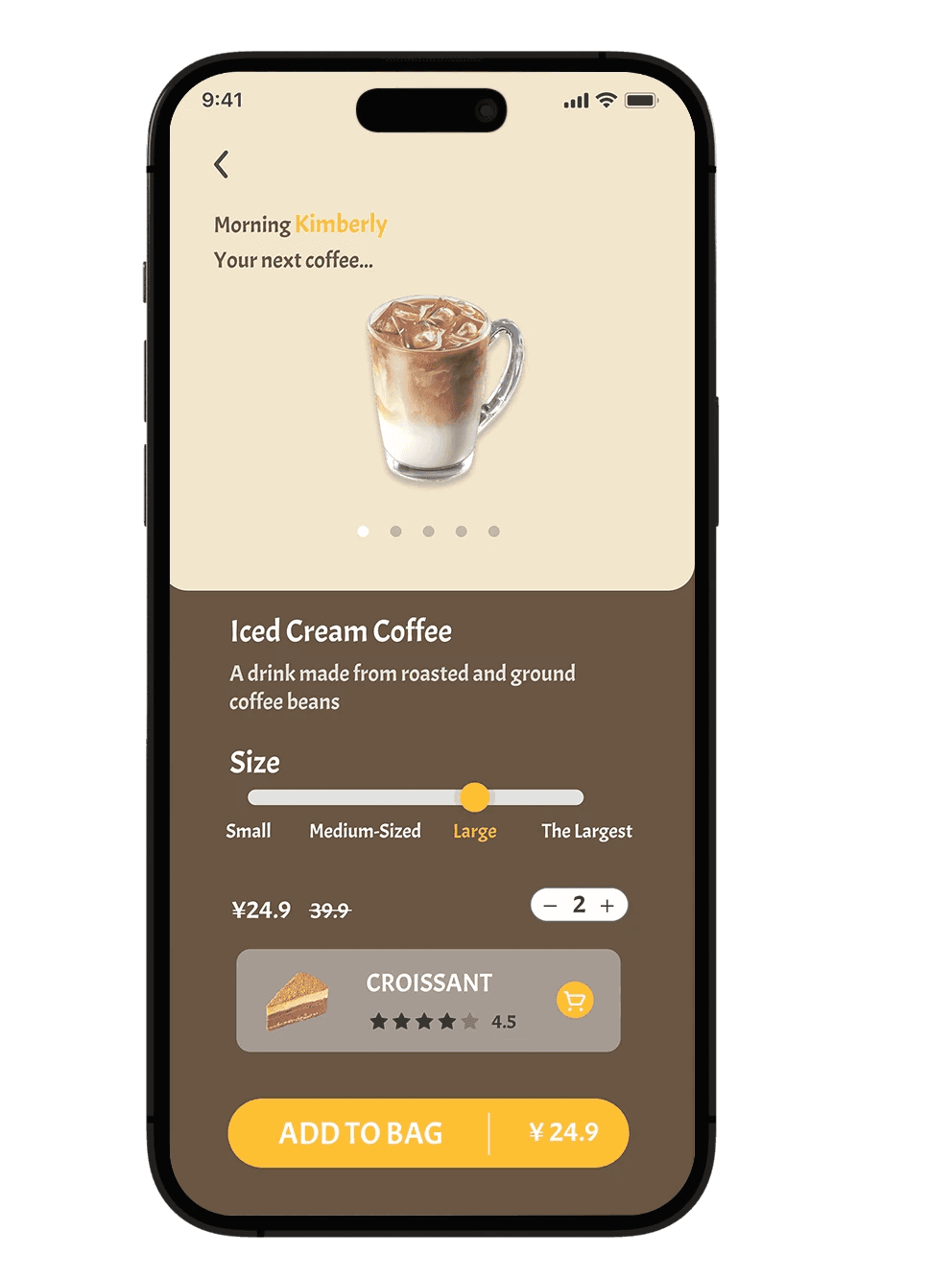
Checkout Add-on
Users browse the menu, customize their drink, and place an order in a streamlined flow designed for speed and clarity.
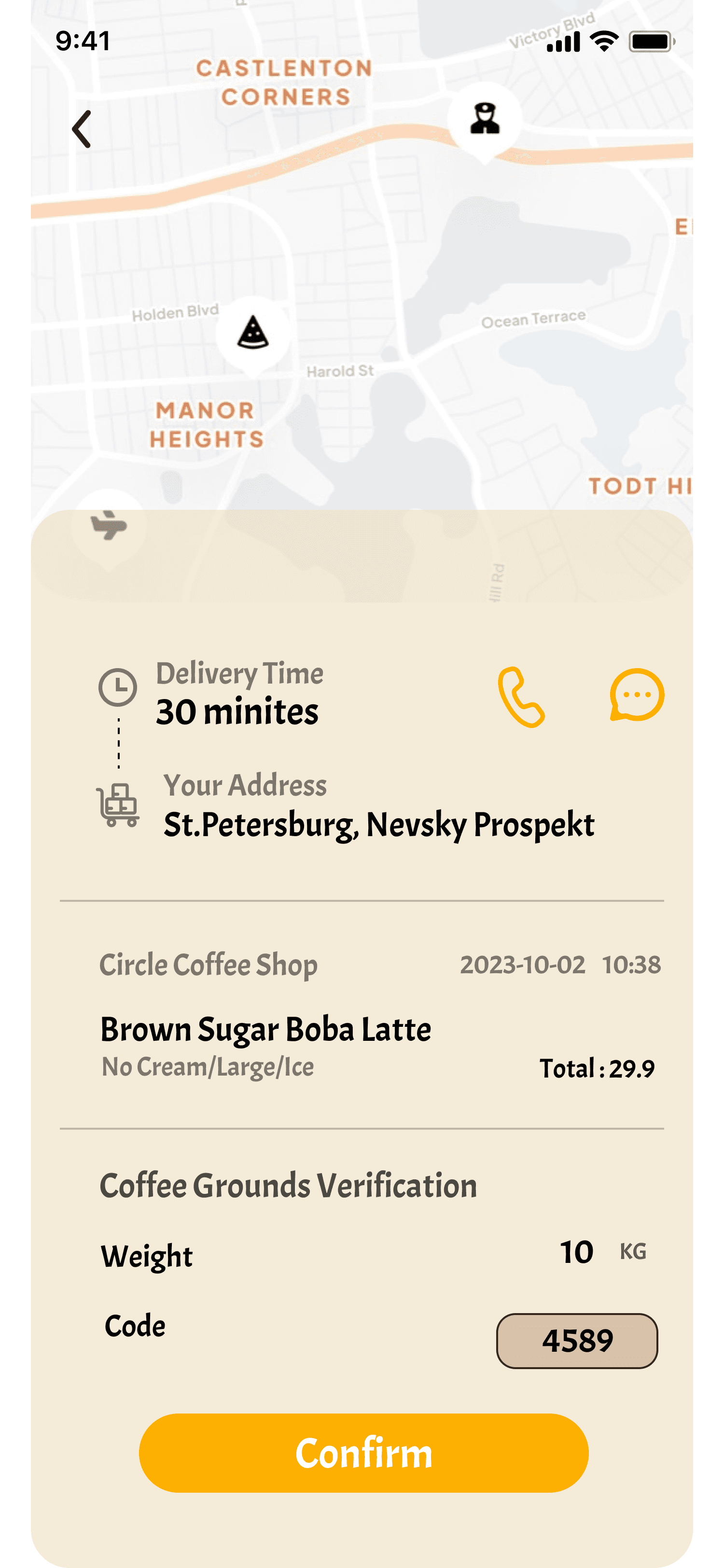
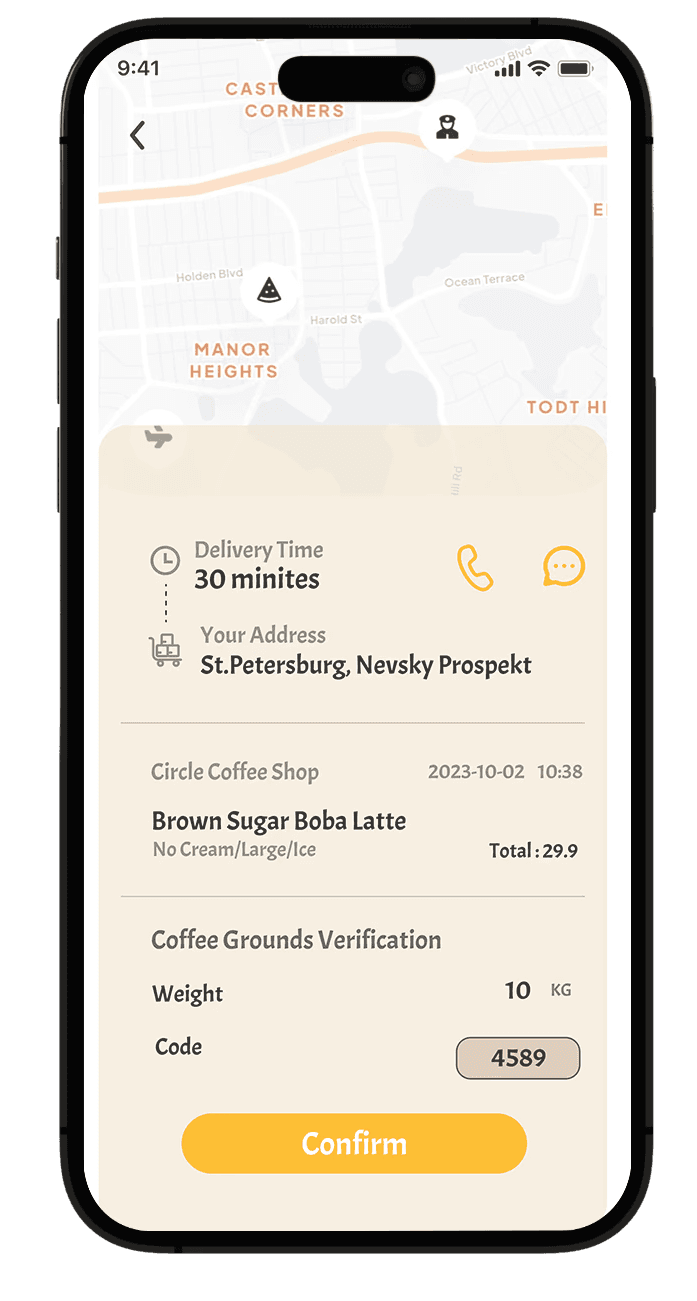
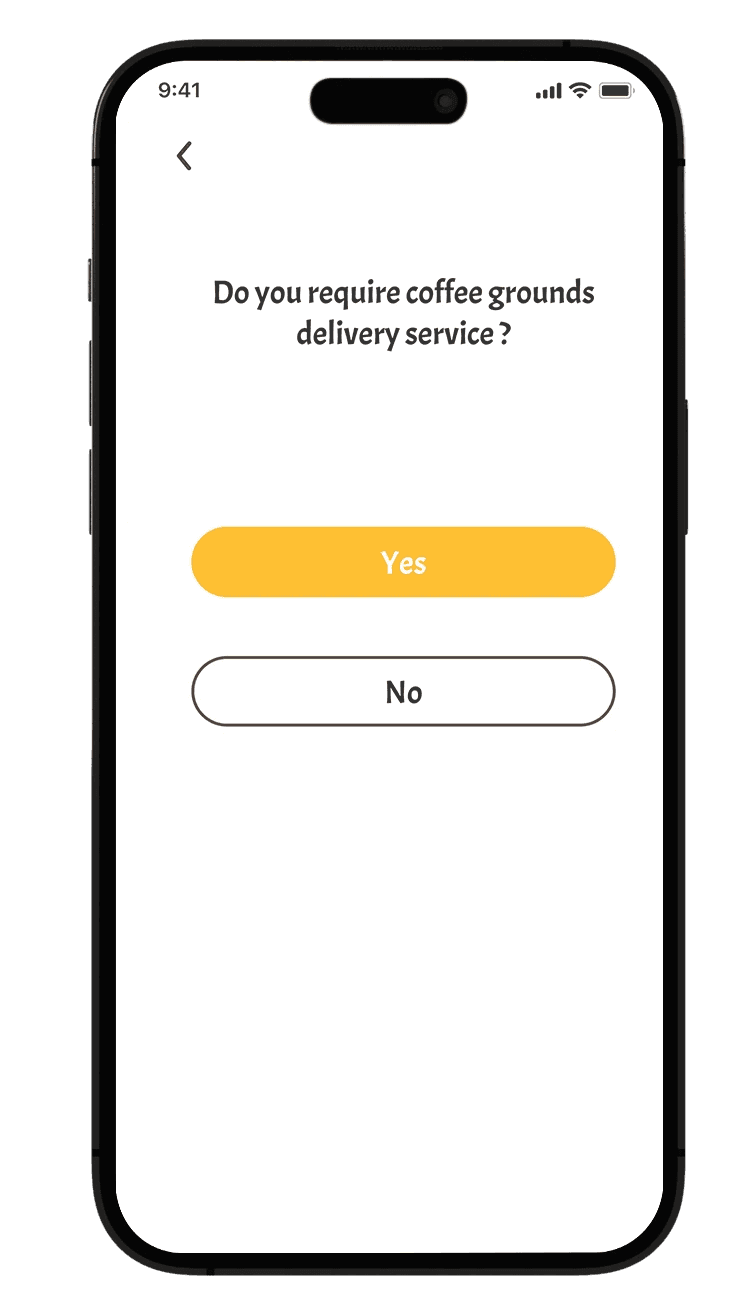
After ordering, users can add a coffee-grounds pickup service as an optional add-on—making recycling part of the same routine, not a separate task.
Add Pickup at Checkout
Self Drop-off
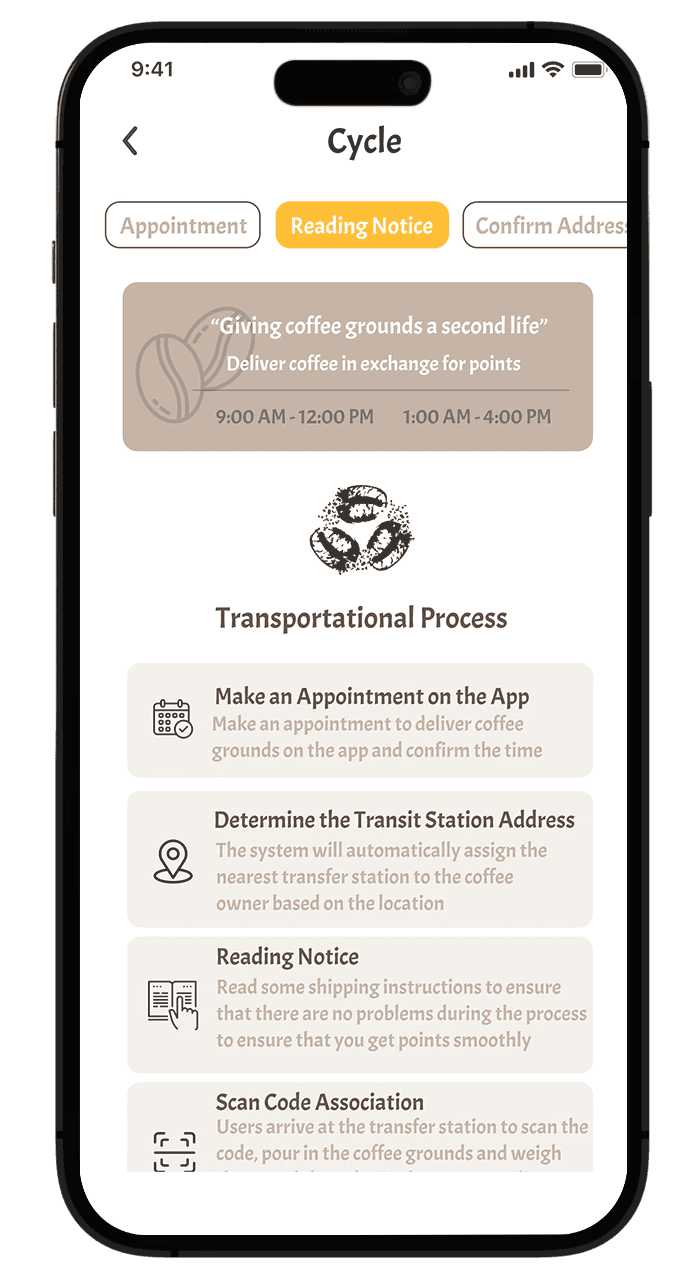
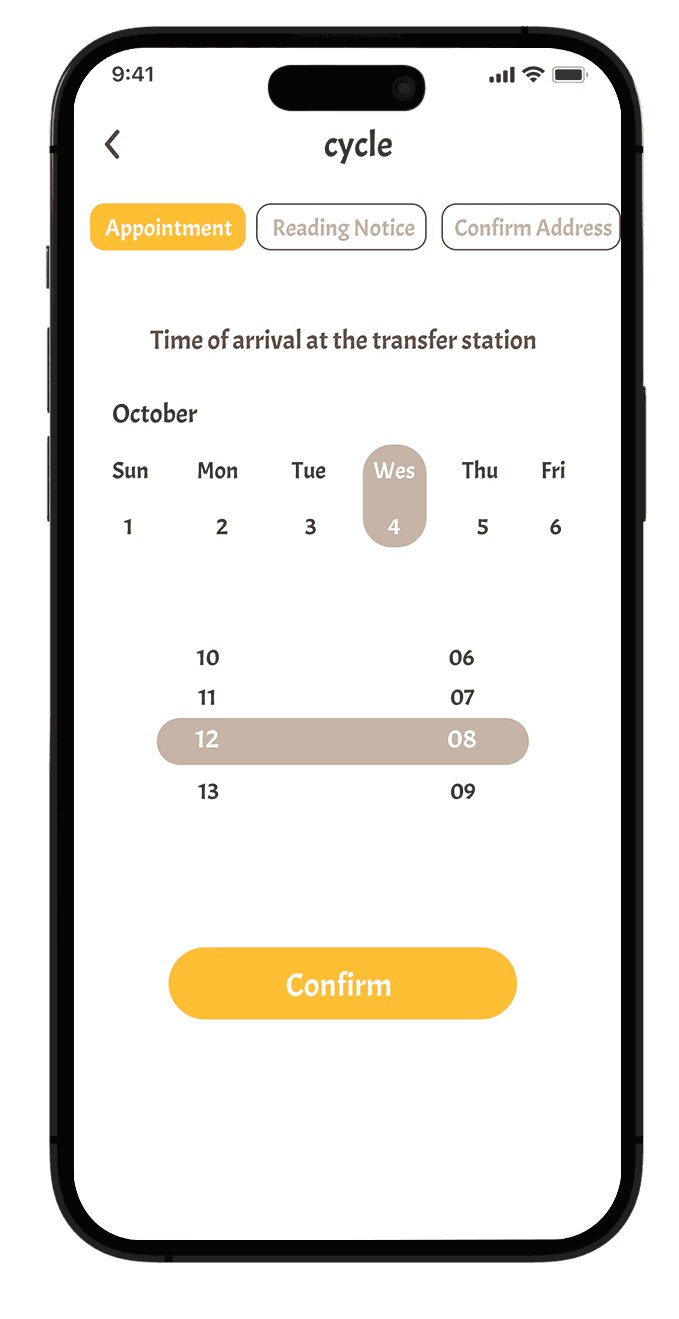
Drop-Off at Your Convenience
For users who prefer offline participation, coffee grounds can also be dropped off at designated recycling points—offering flexibility without excluding different lifestyles.

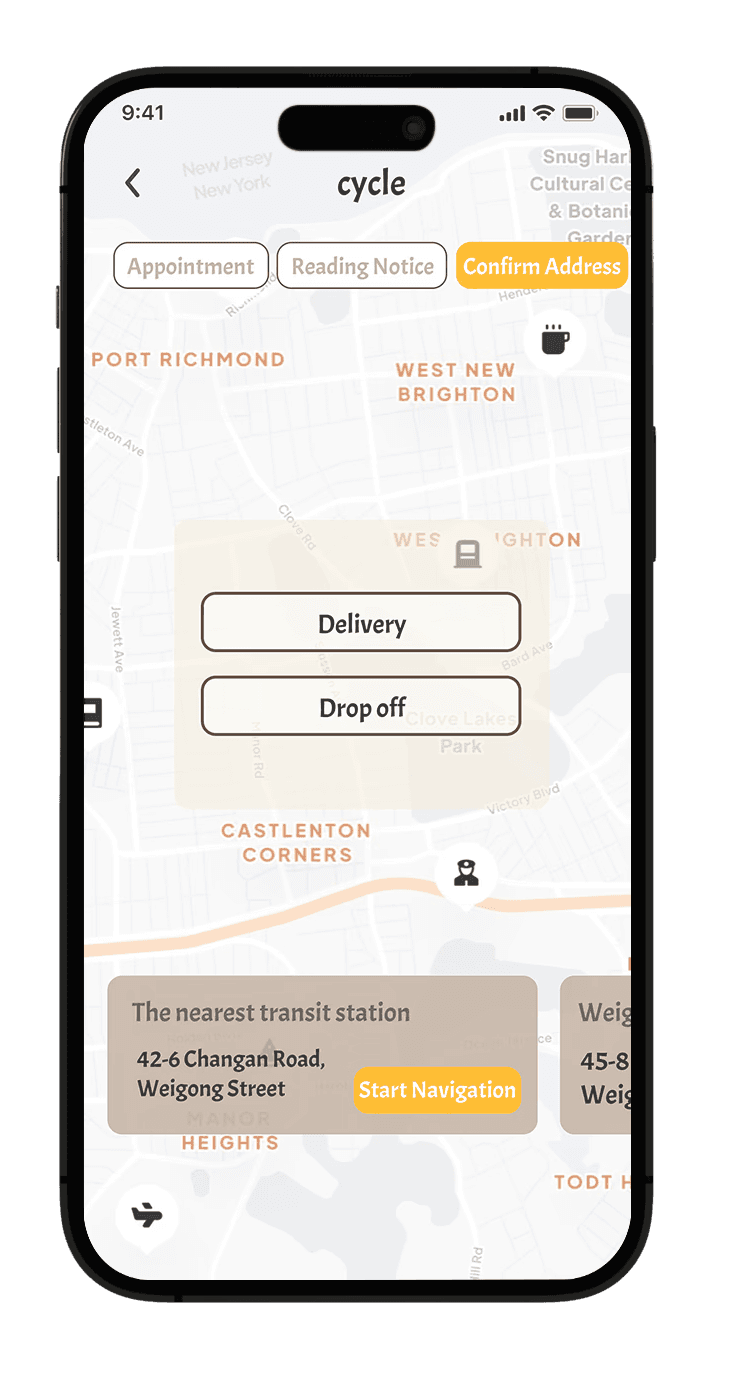
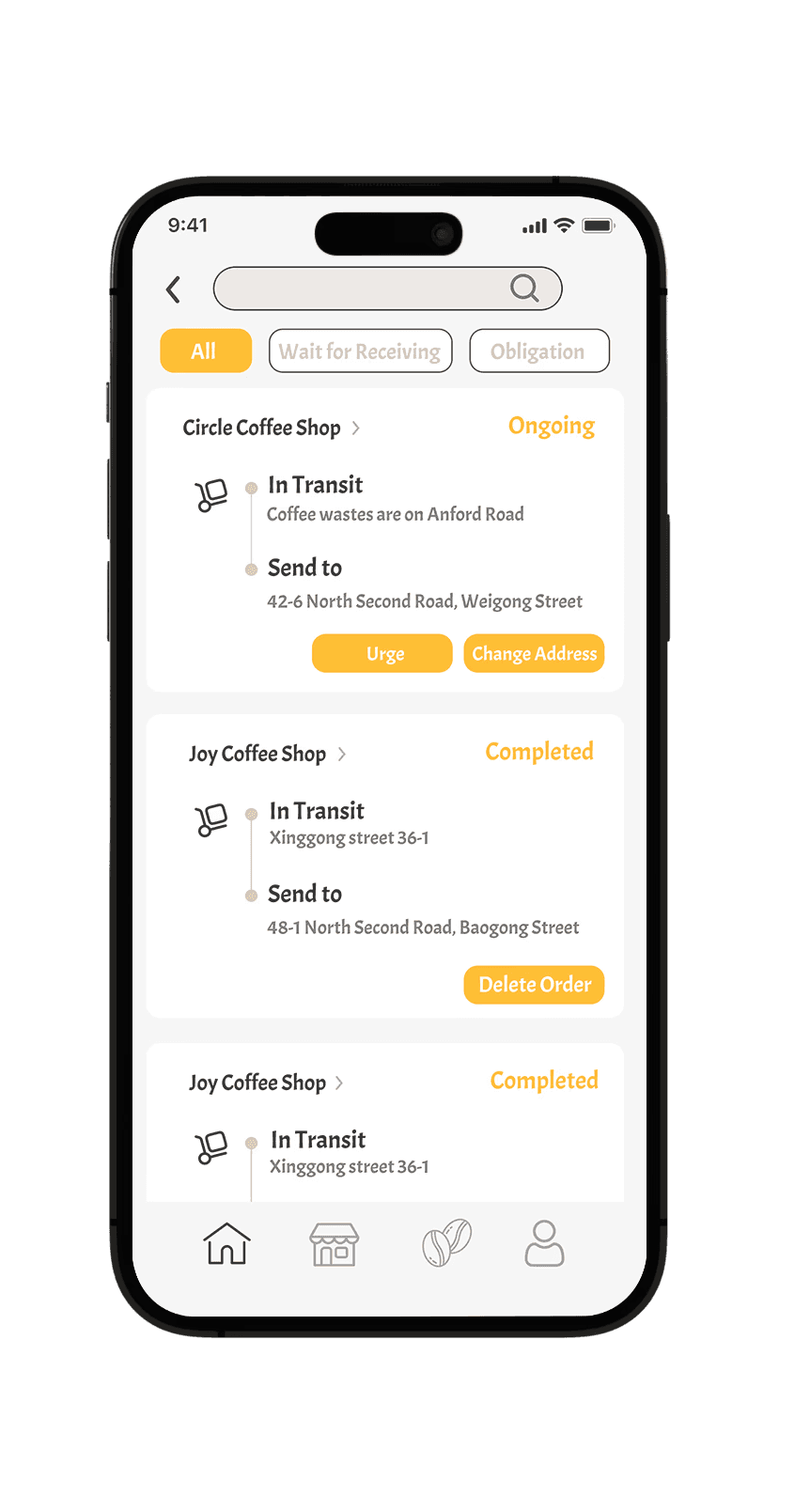
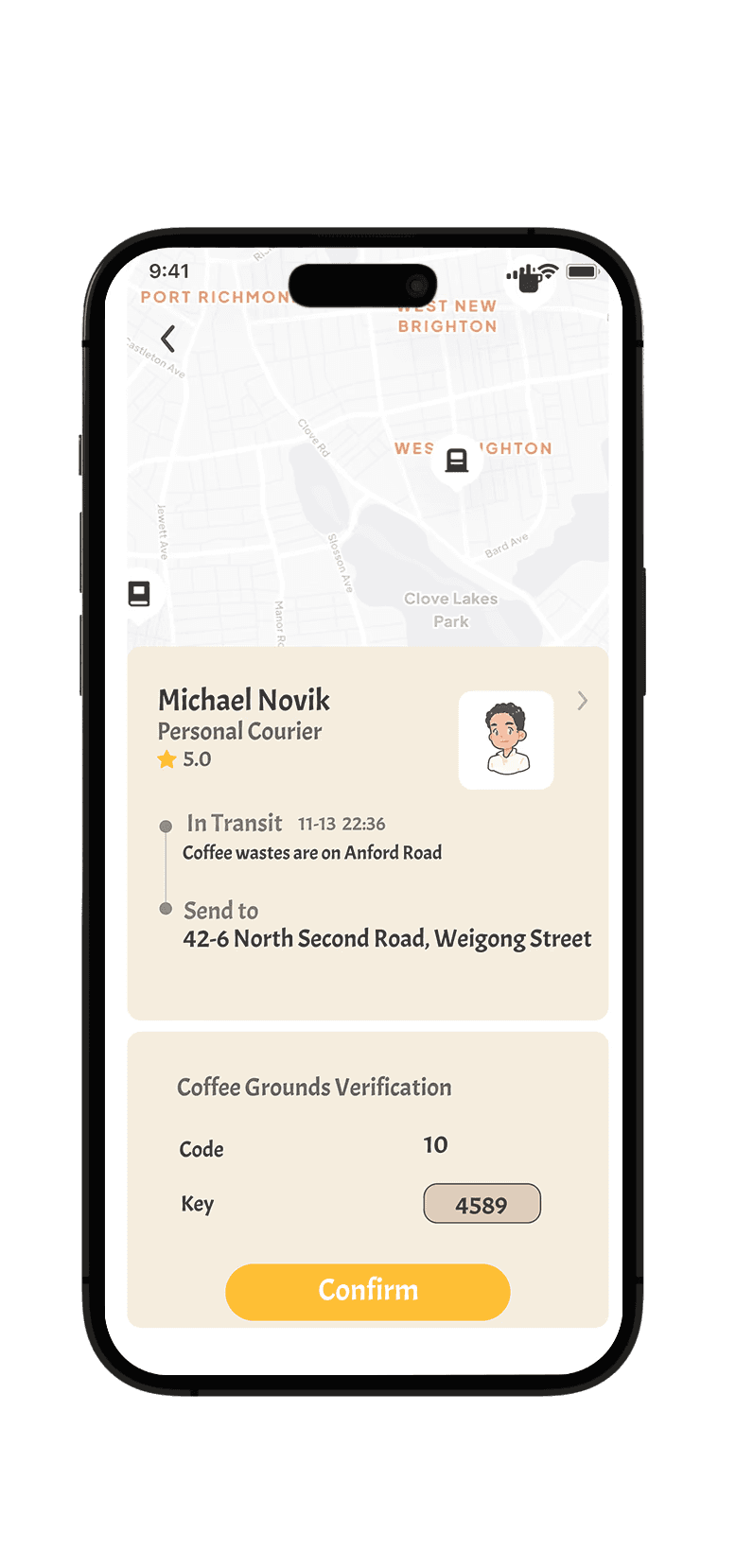
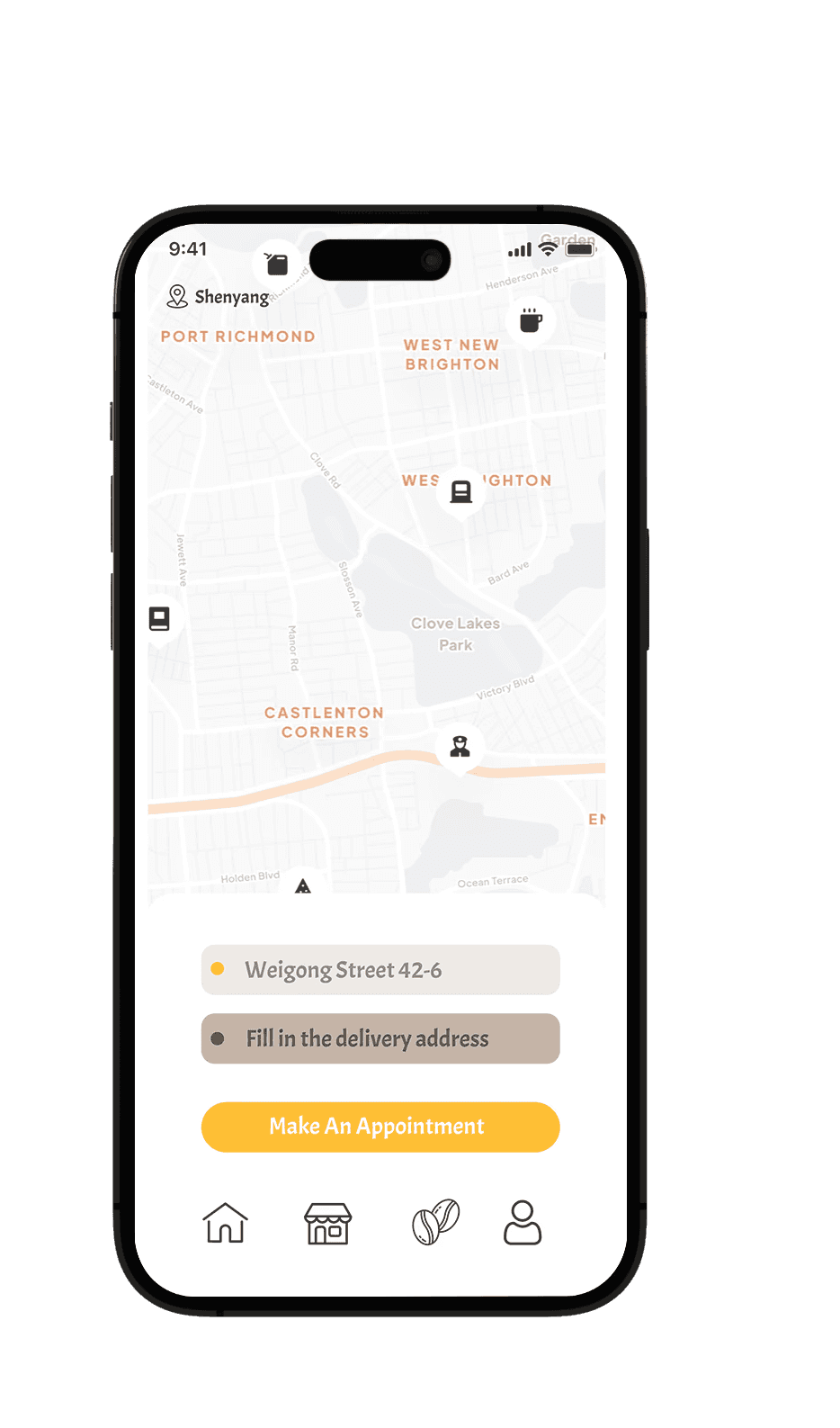
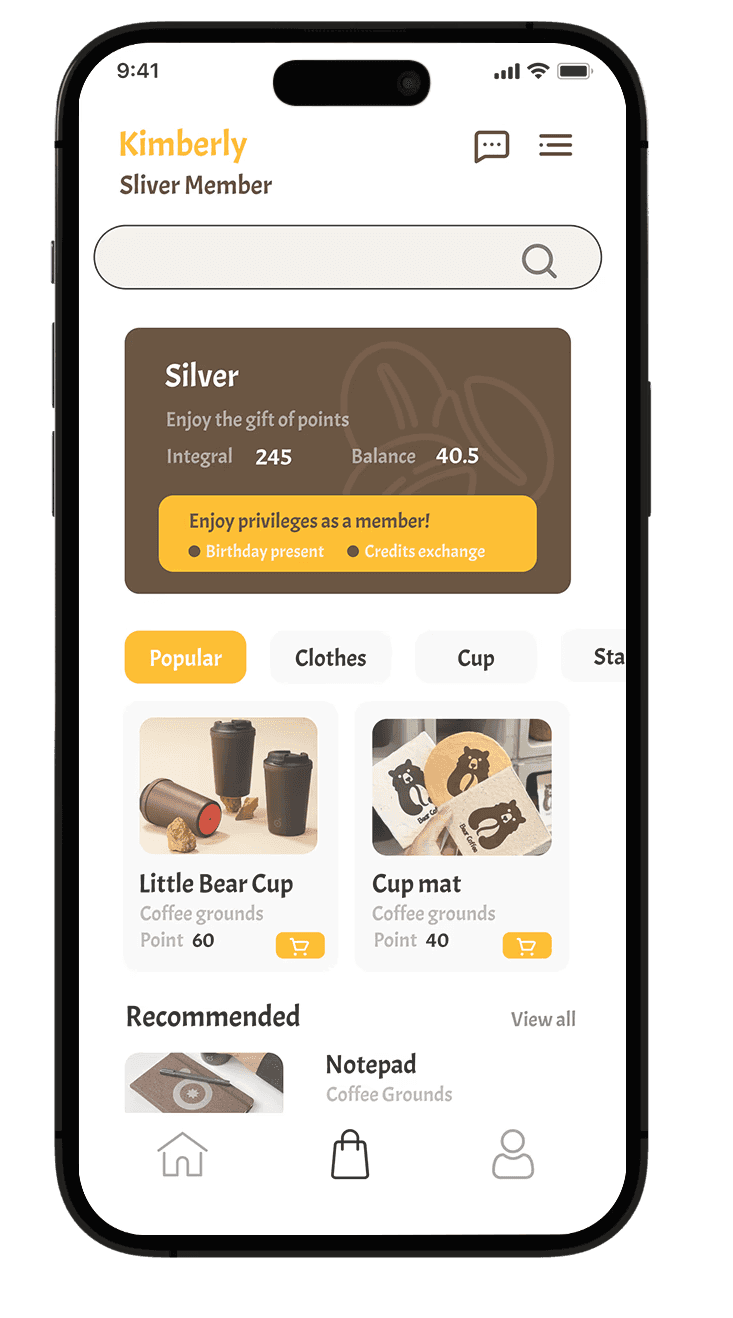
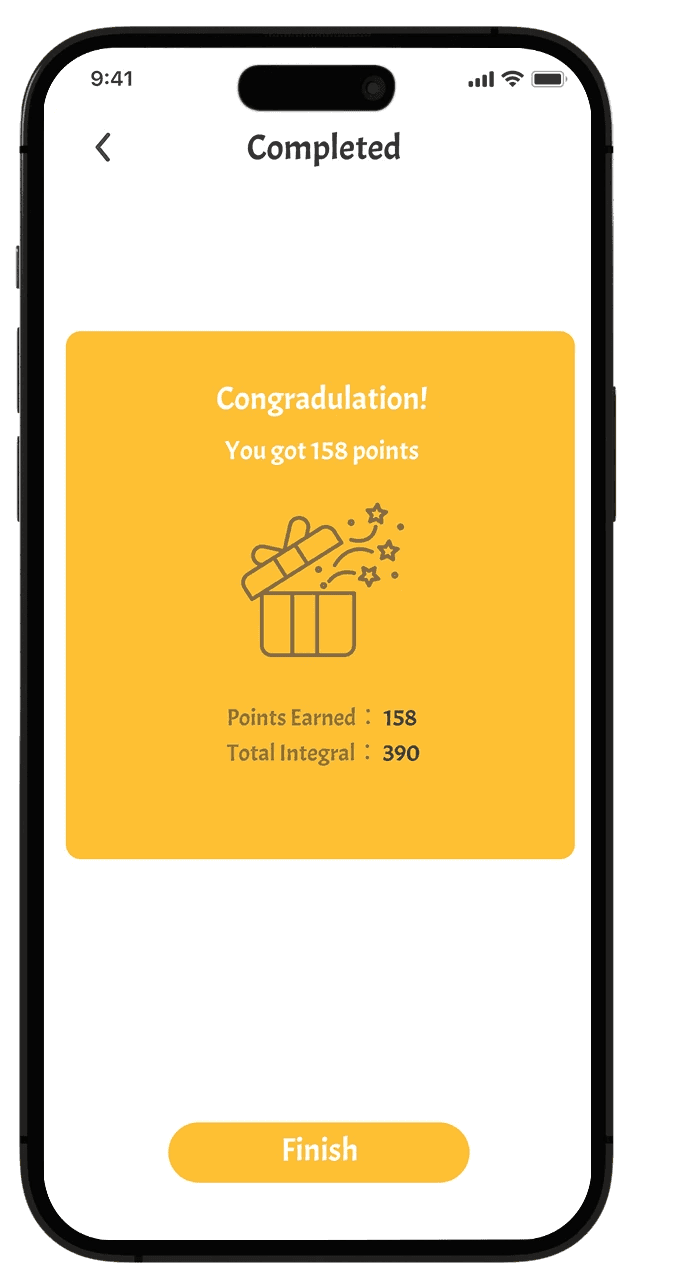
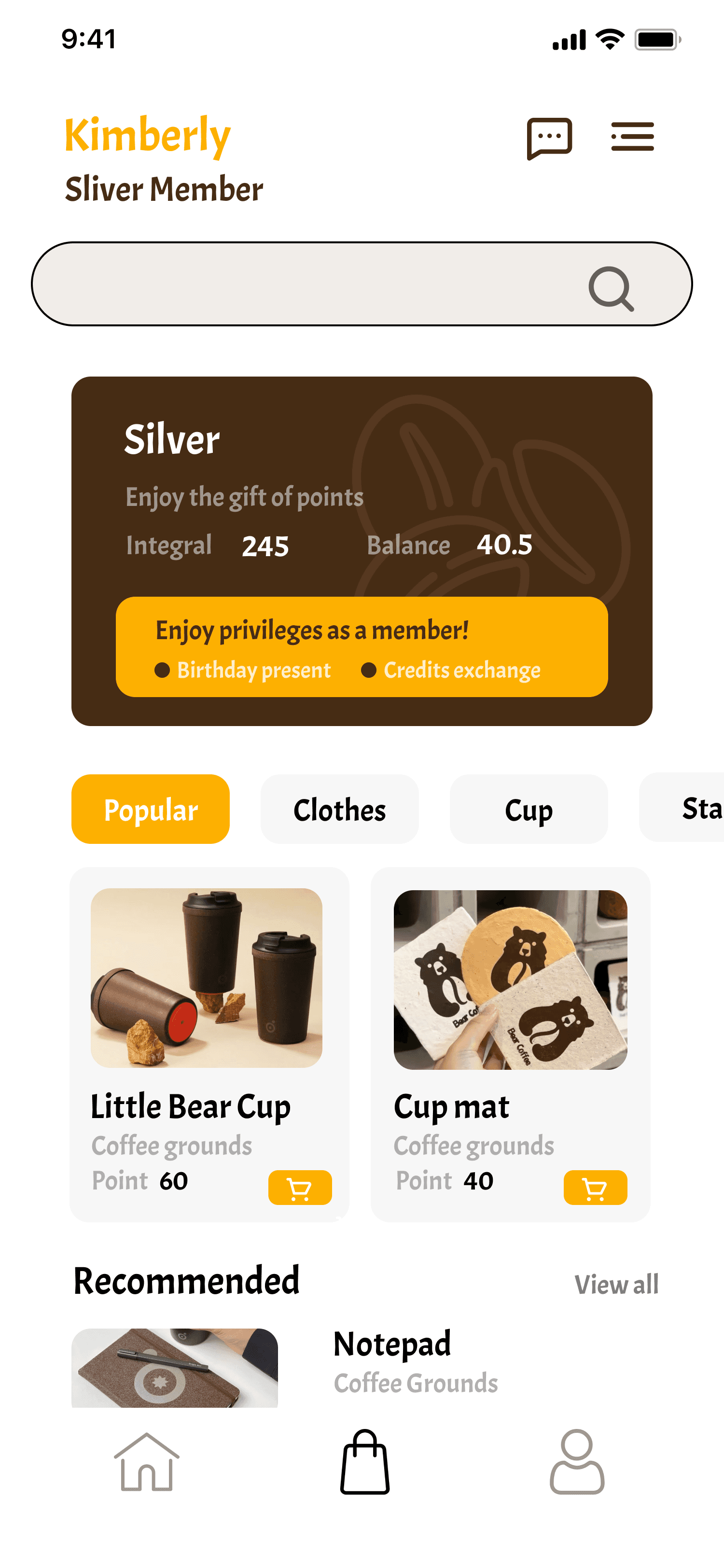
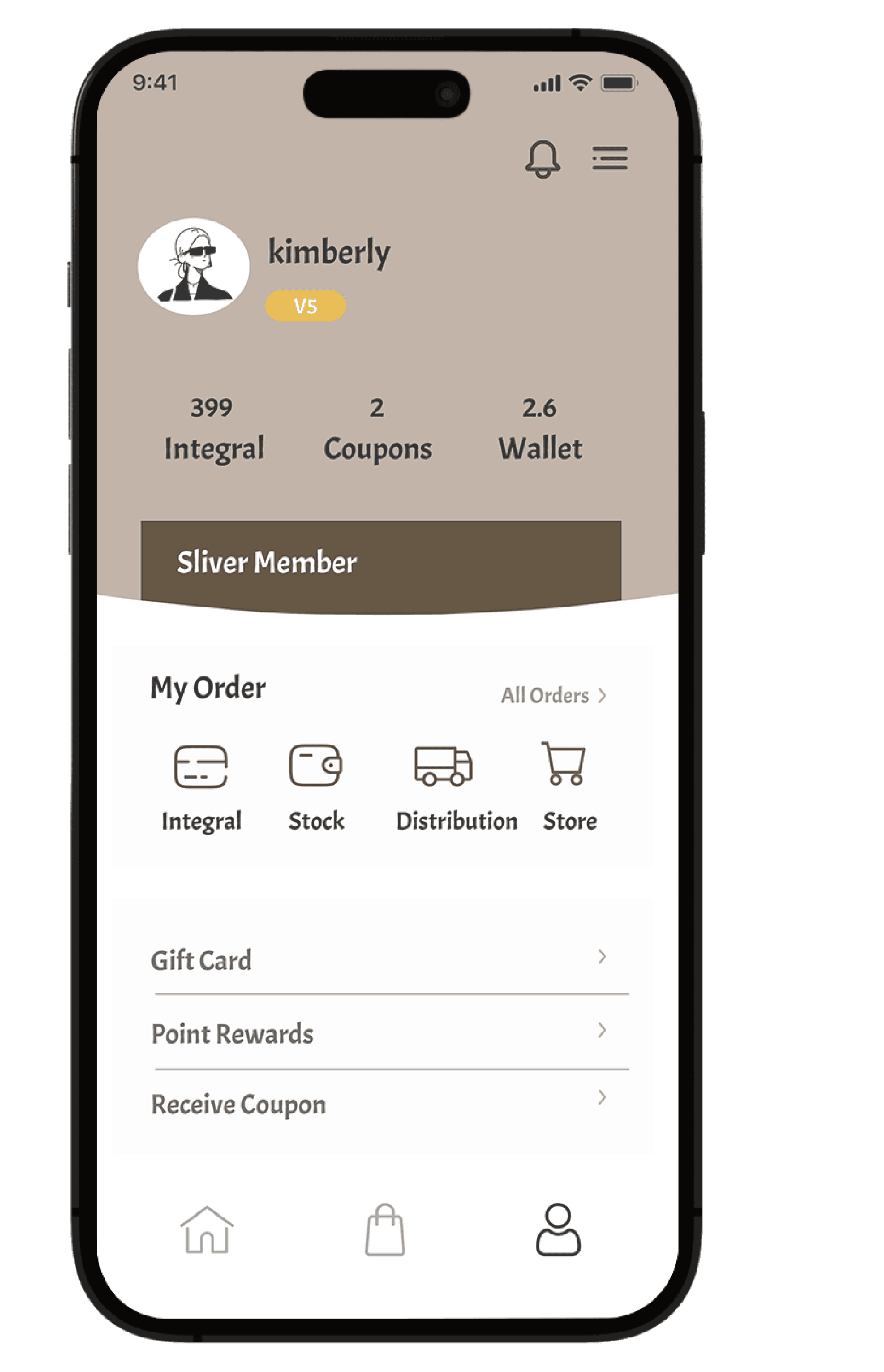
Both online and offline recycling actions earn users points, which can be redeemed for discounts on coffee-ground-based products—reinforcing sustainable behavior through tangible rewards.
Rewarding Everyday Participation
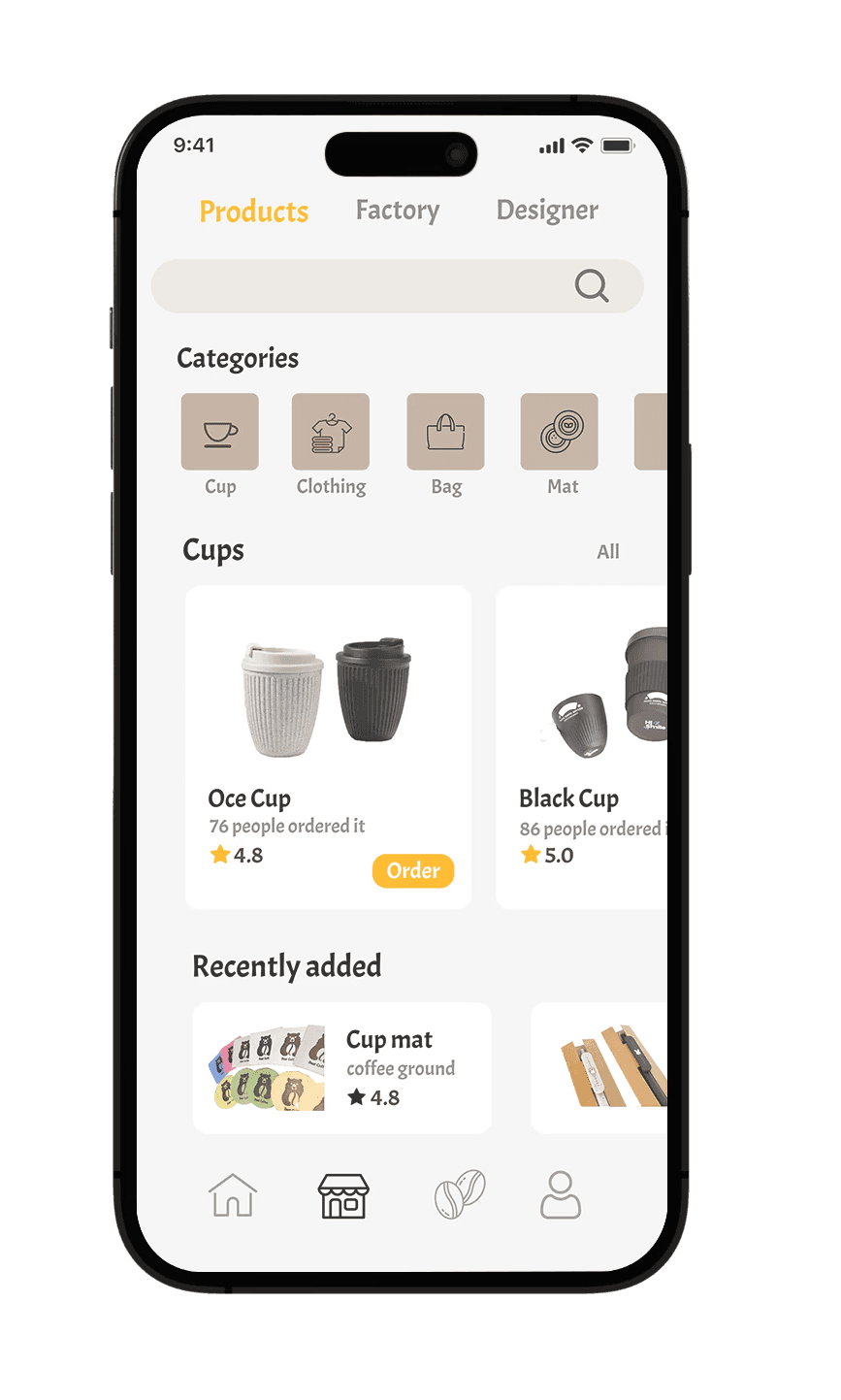
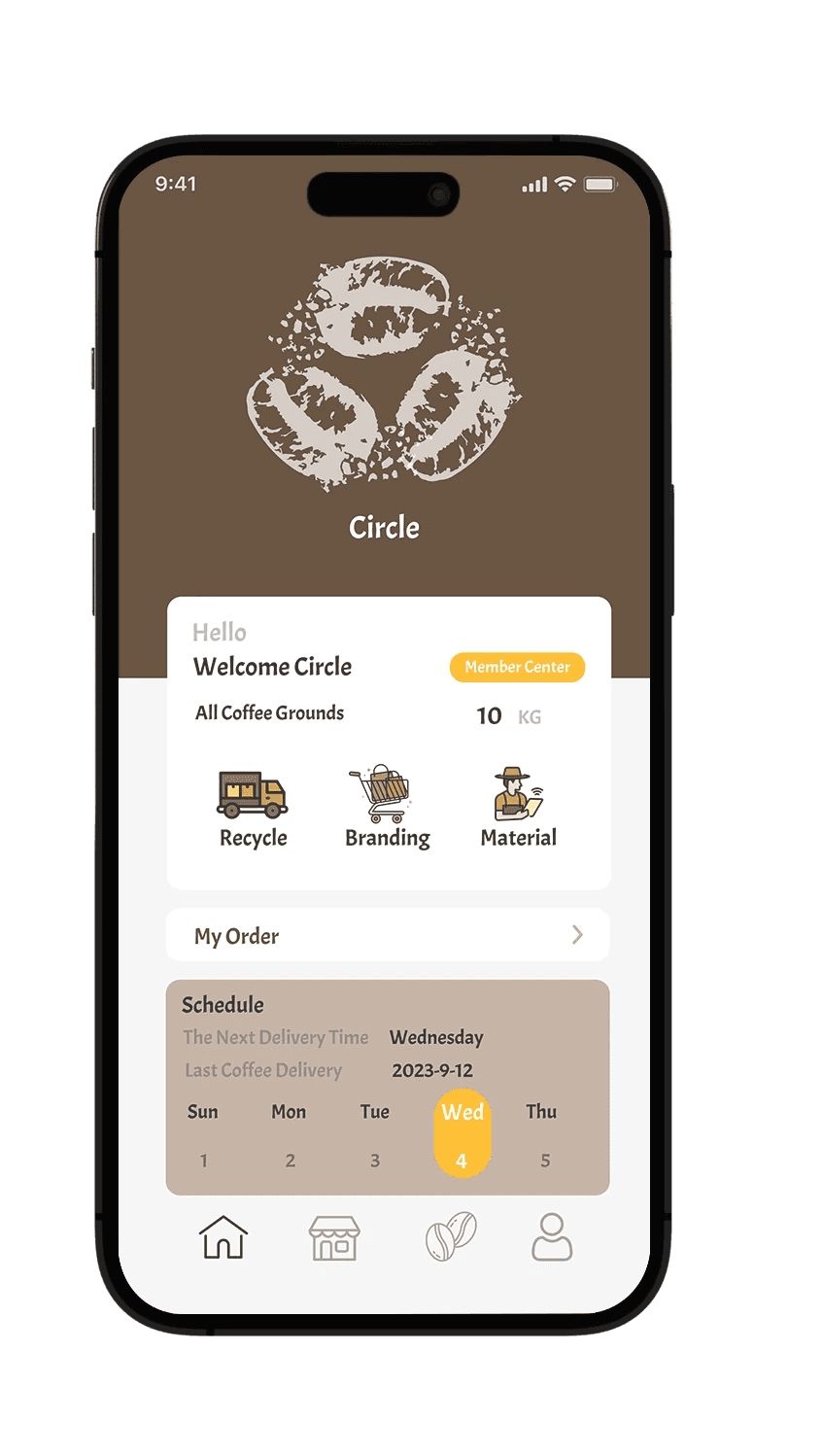
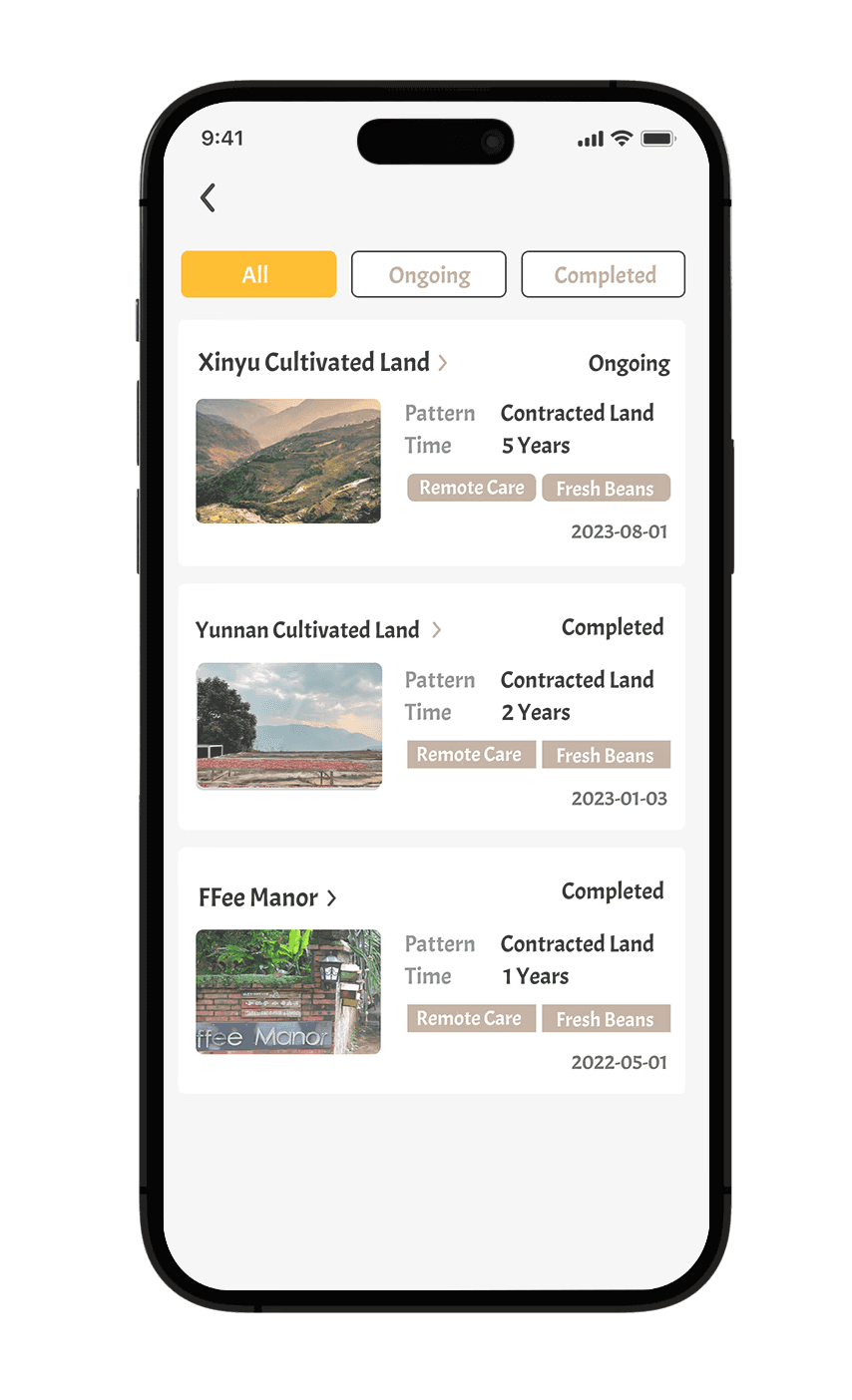
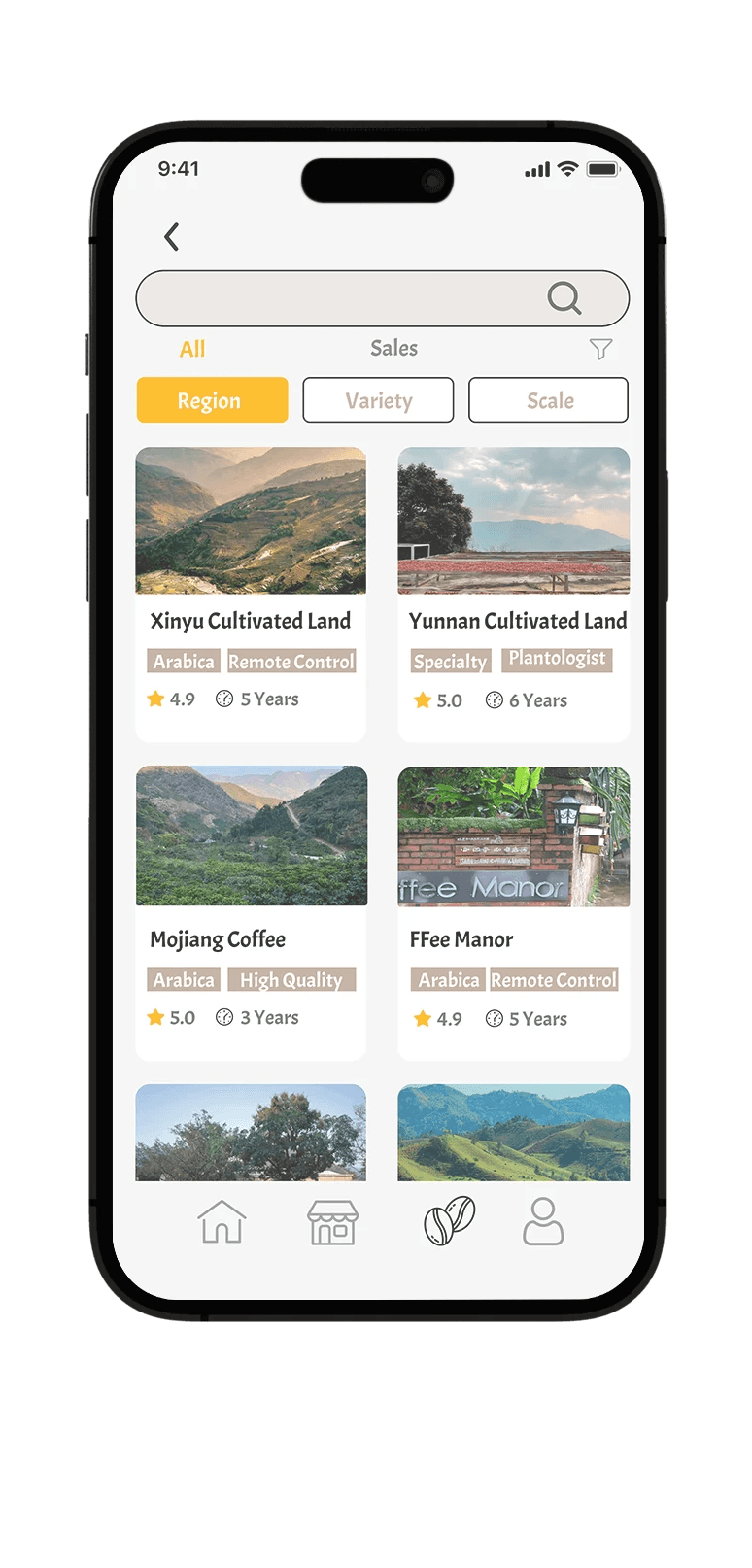
Coffee shop owners can browse and connect with manufacturers who specialize in sustainable materials, enabling coffee grounds to be transformed into reusable products such as cups, packaging, or merchandise.
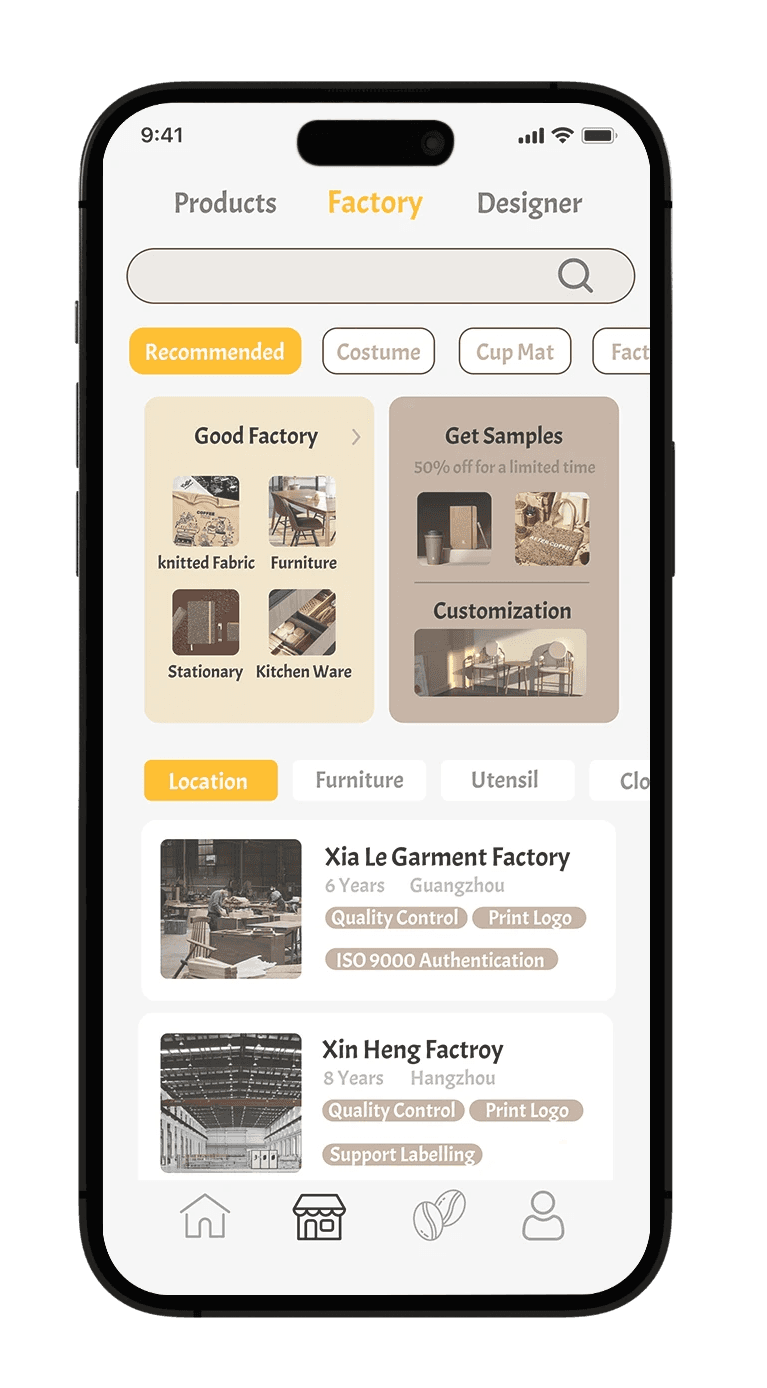
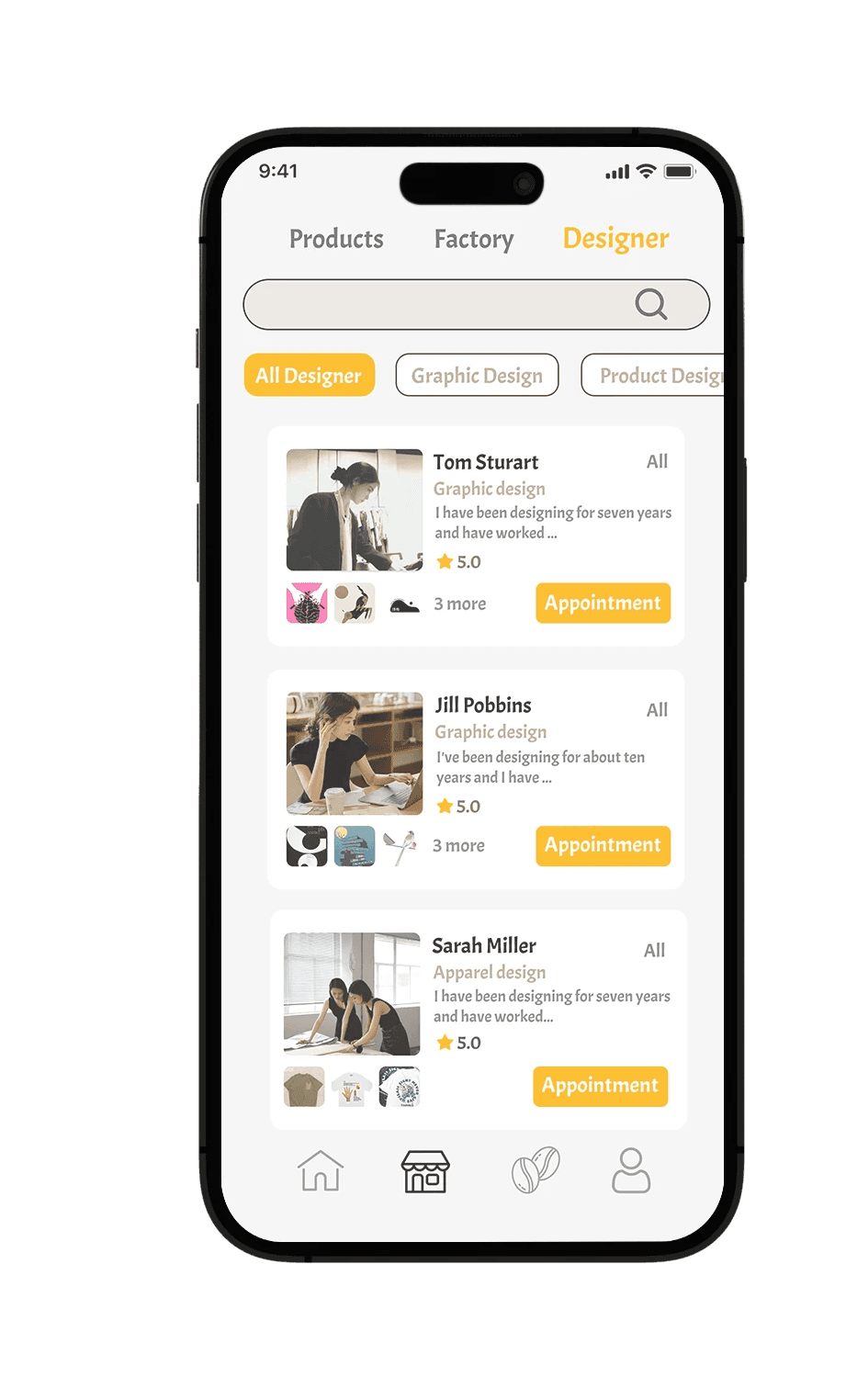
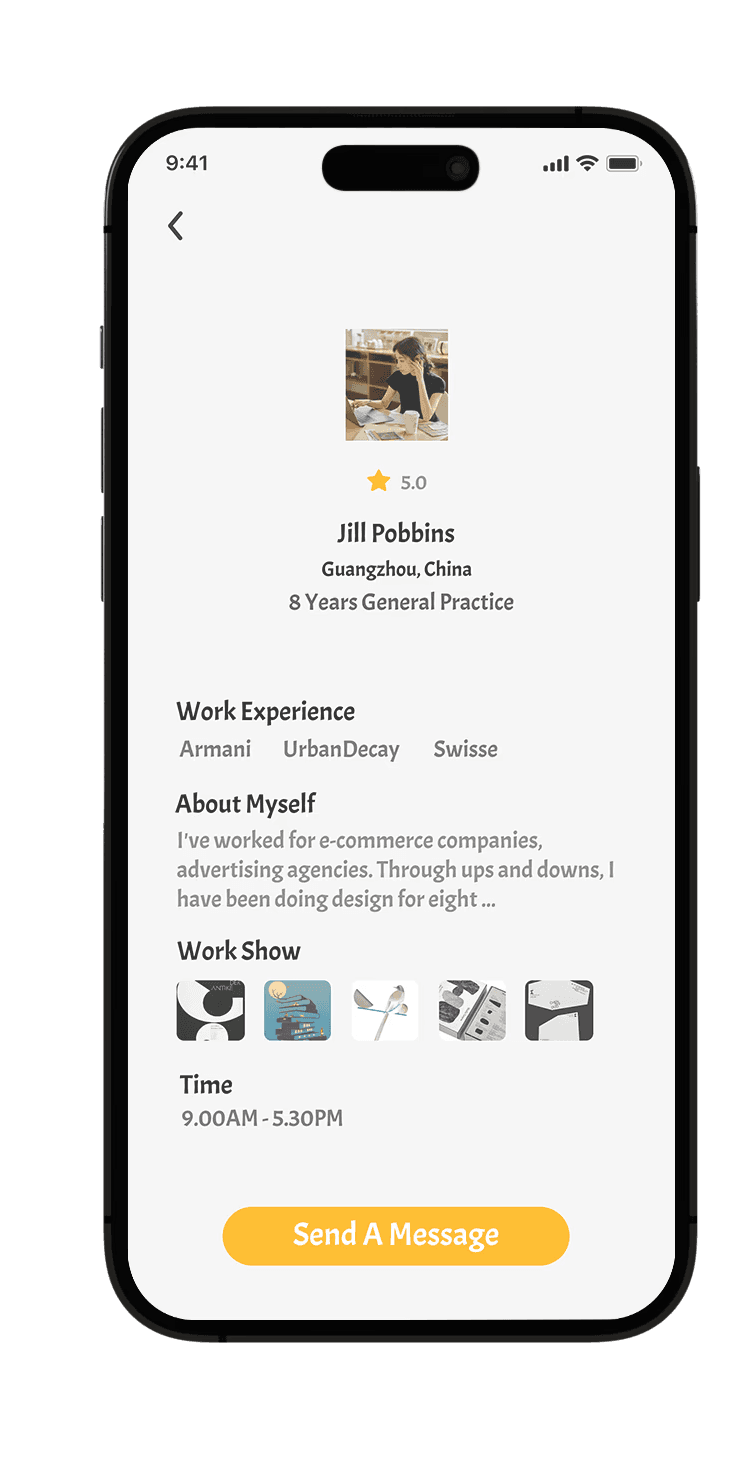
The platform connects coffee shops with designers who help translate sustainability into branded, market-ready products—aligning environmental values with visual identity and customer experience.
The recycled coffee grounds can be returned to coffee plantations and agricultural partners, where they are reused as compost or soil nutrients. This also allows coffee shops to source their coffee directly, strengthening the circular relationship between consumption and production.
Rewarding Everyday Participation
Connect with Manufacturing Partners
Collaborate with Designers
Returning Value to the Land
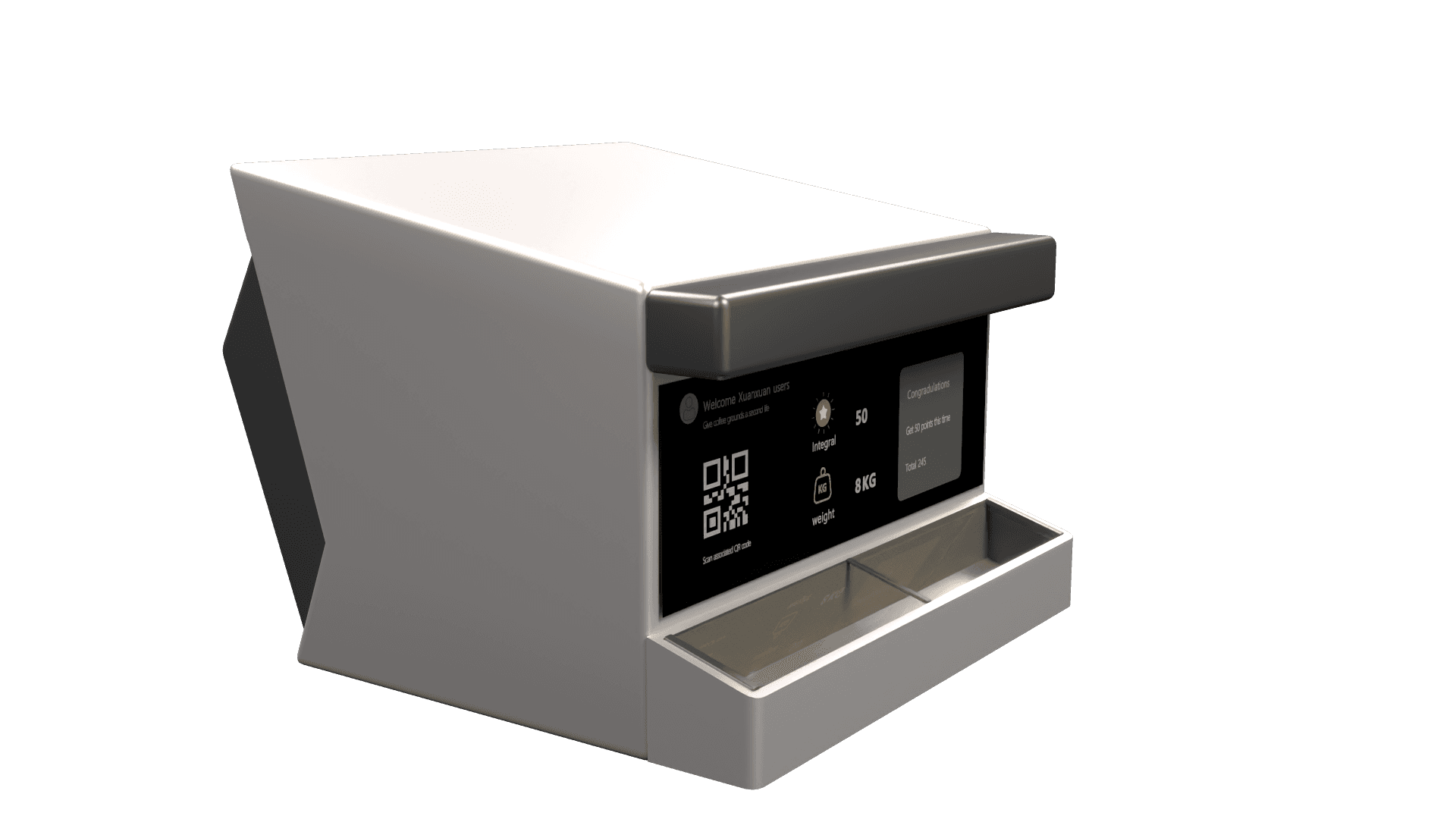
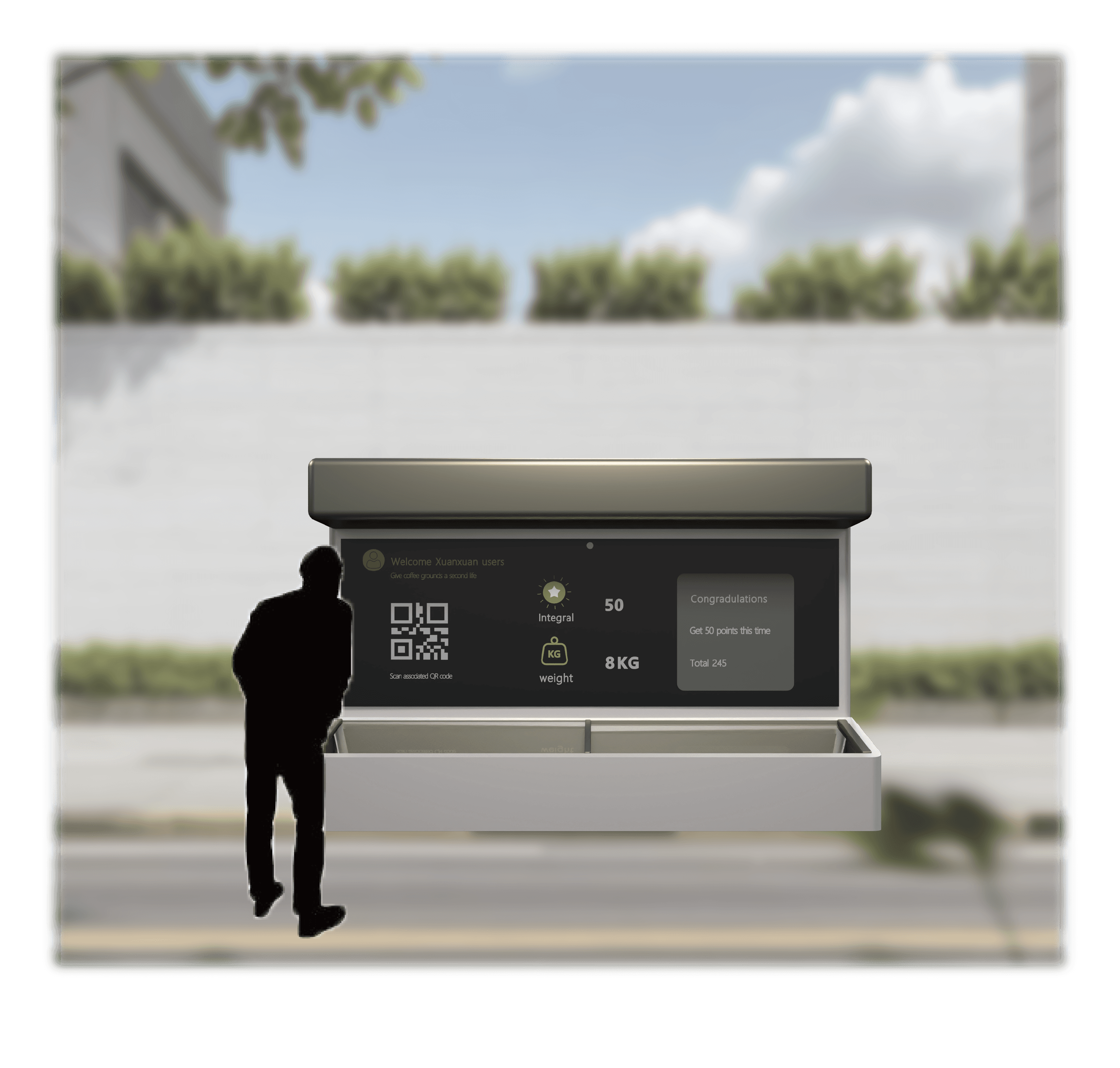
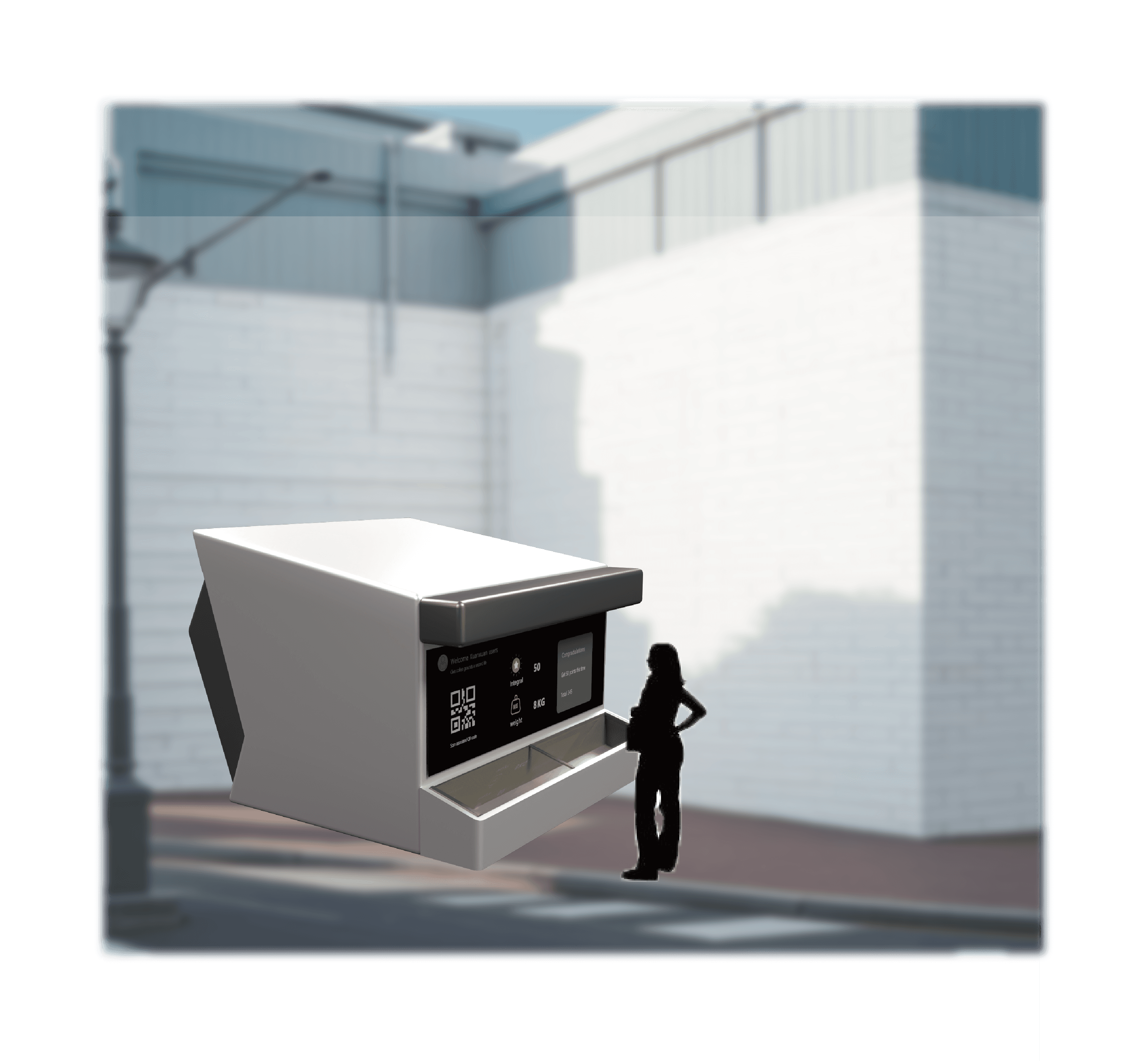
Coffee Grounds Recycling Kiosk
What I Learned
Project Goal
To transform coffee grounds from overlooked waste into a reusable resource through a closed-loop system embedded in everyday behavior.
Persona Synthesis
Scenario Mapping
System Thinking
Research & Insights
Designed for multiple roles across the ecosystem, rather than a single user type.
Mapped key decision points across digital and physical journeys.
Built as a modular system, not a standalone product.
Research revealed that recycling fails when it feels like extra effort.
Research
Current situation of coffee farmers
Secondary Source
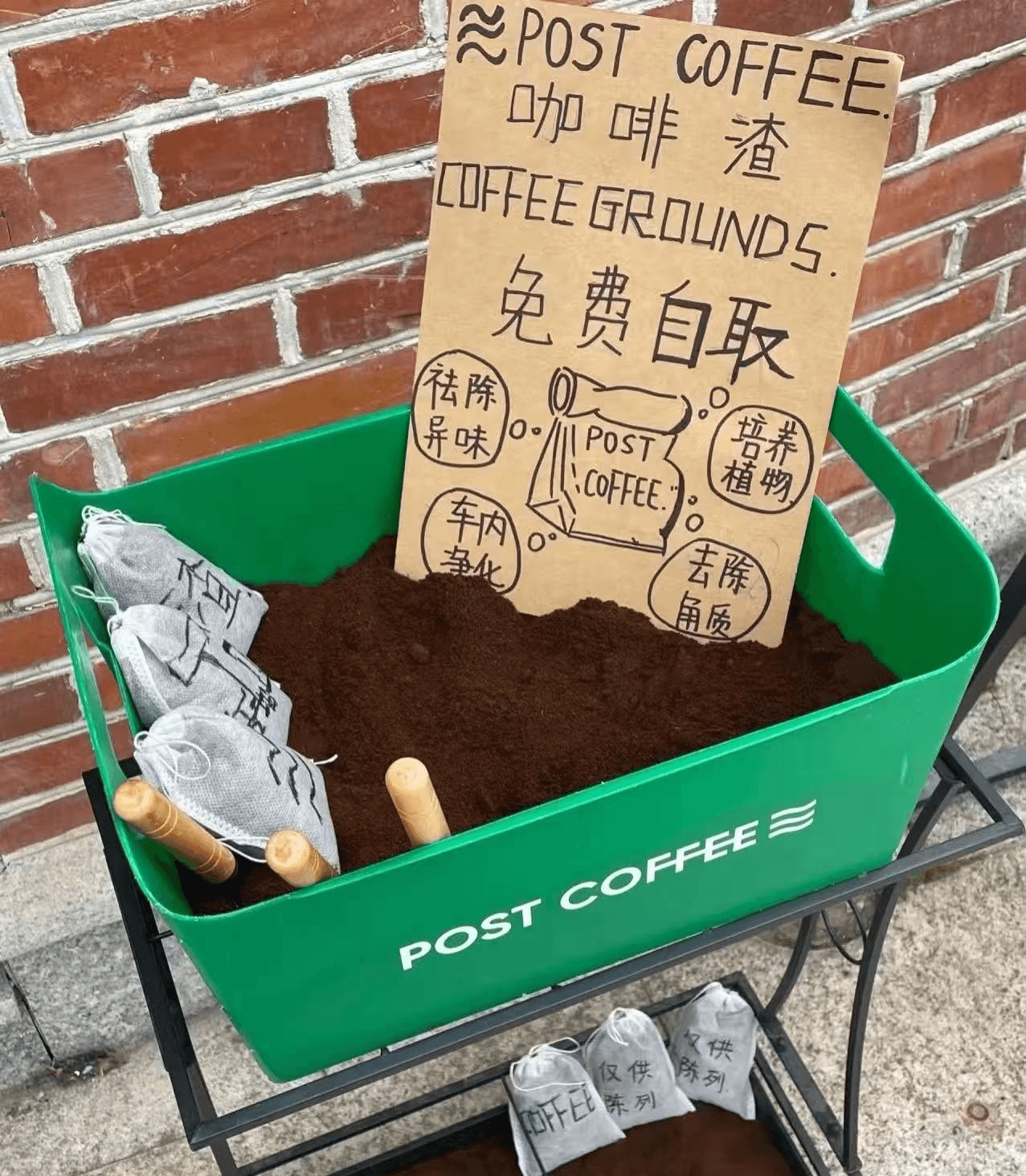
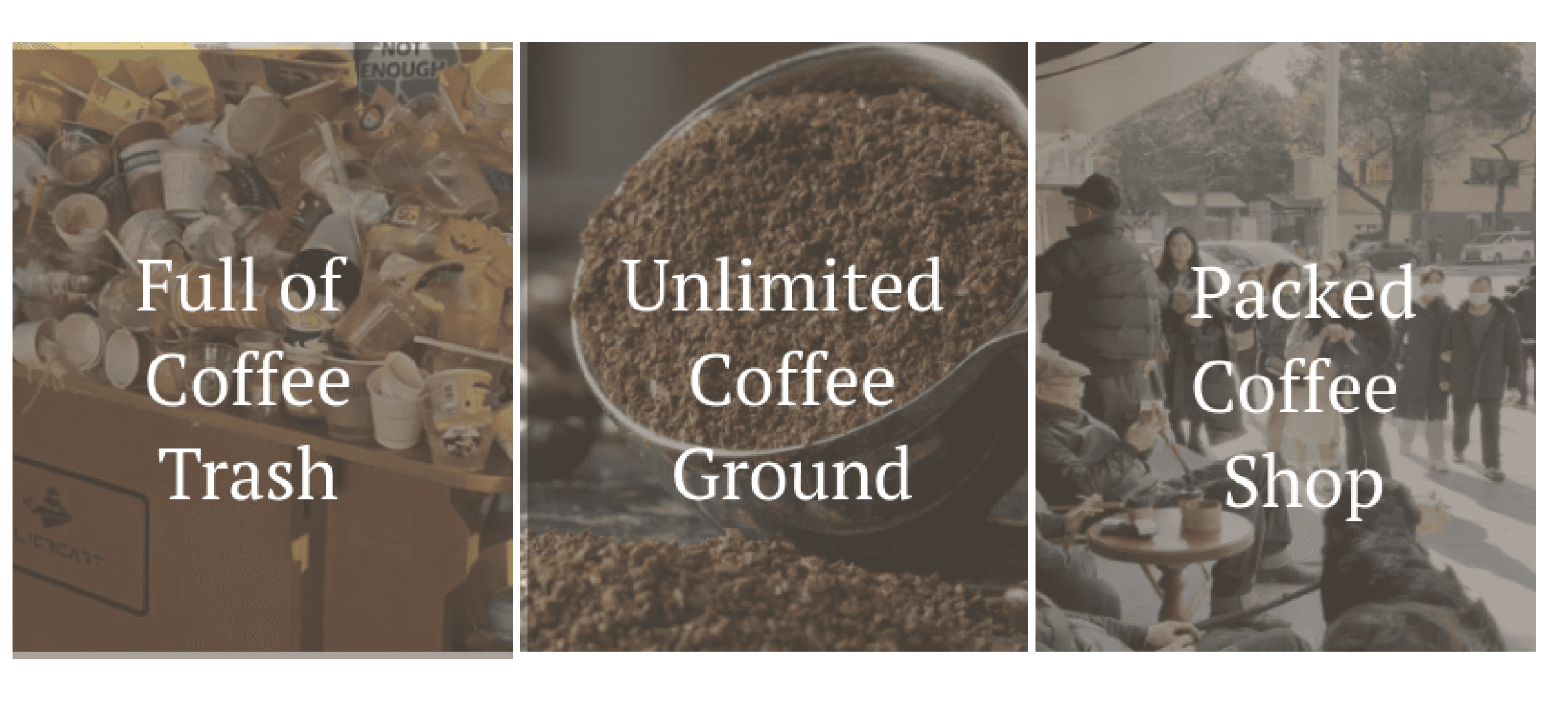
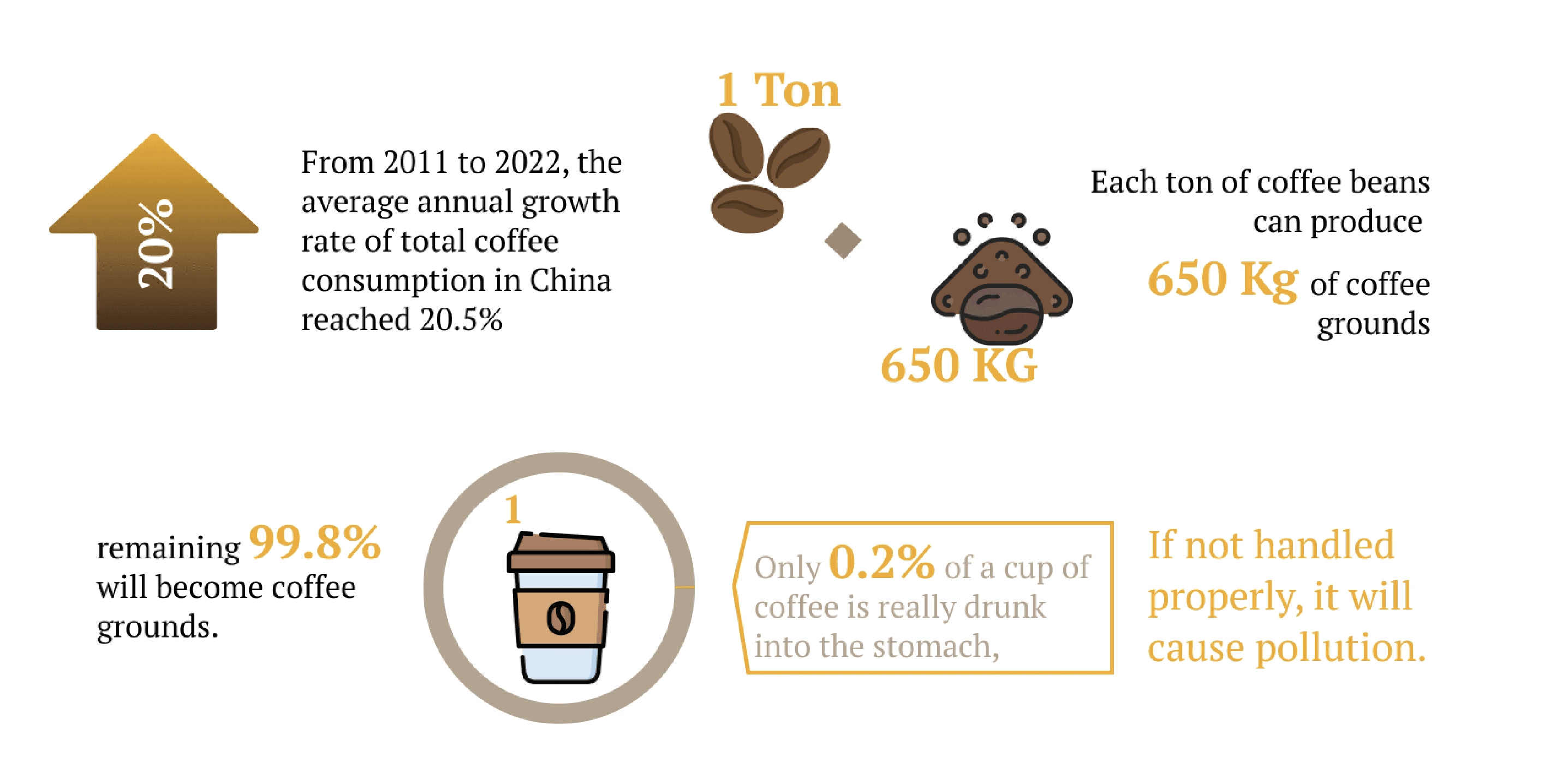
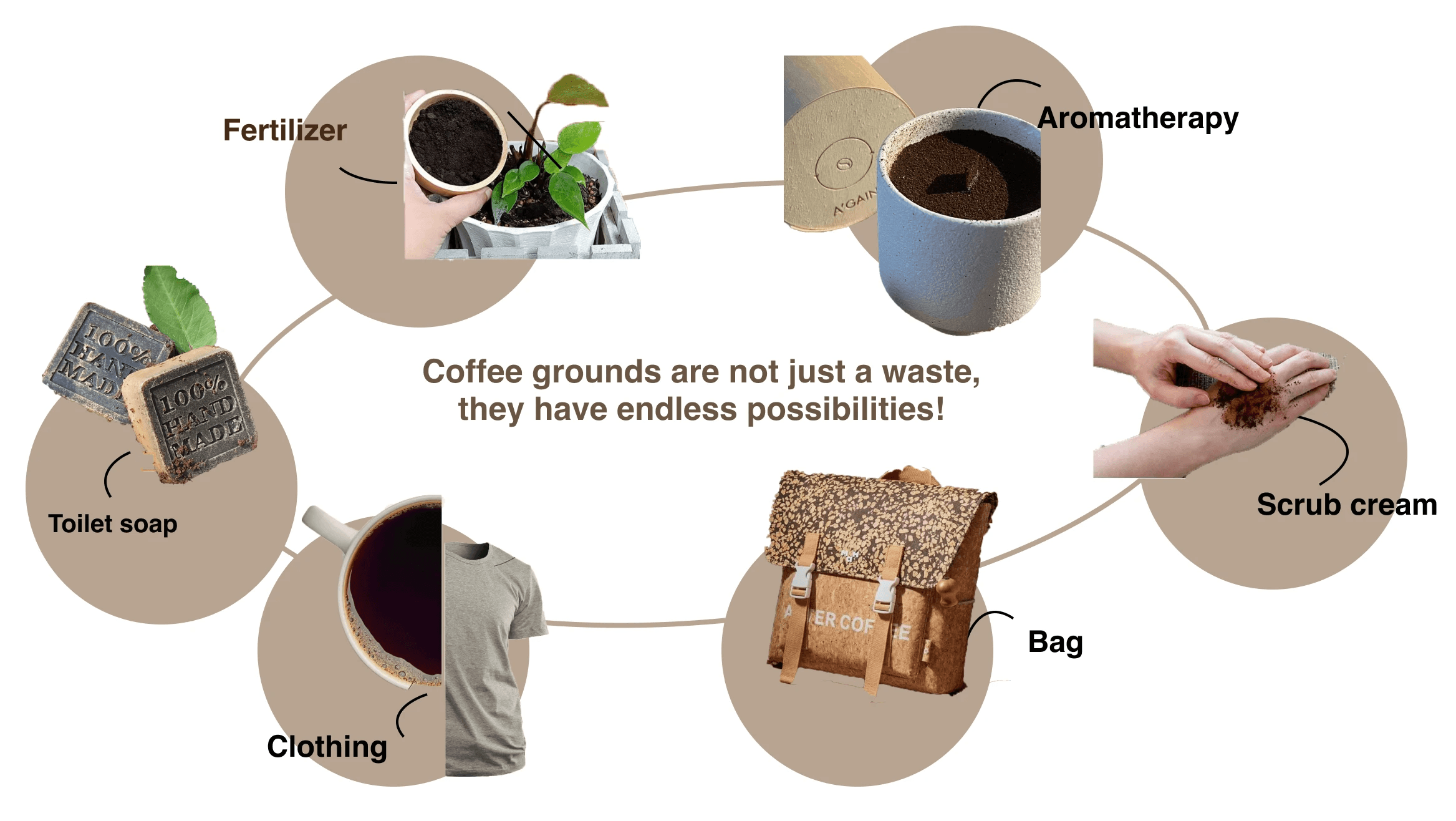
Coffee grounds are one of the most common forms of daily organic waste.
Most coffee shops lack an efficient system to reuse or redistribute coffee grounds.
Recycling coffee grounds often requires extra effort from both users and shops.
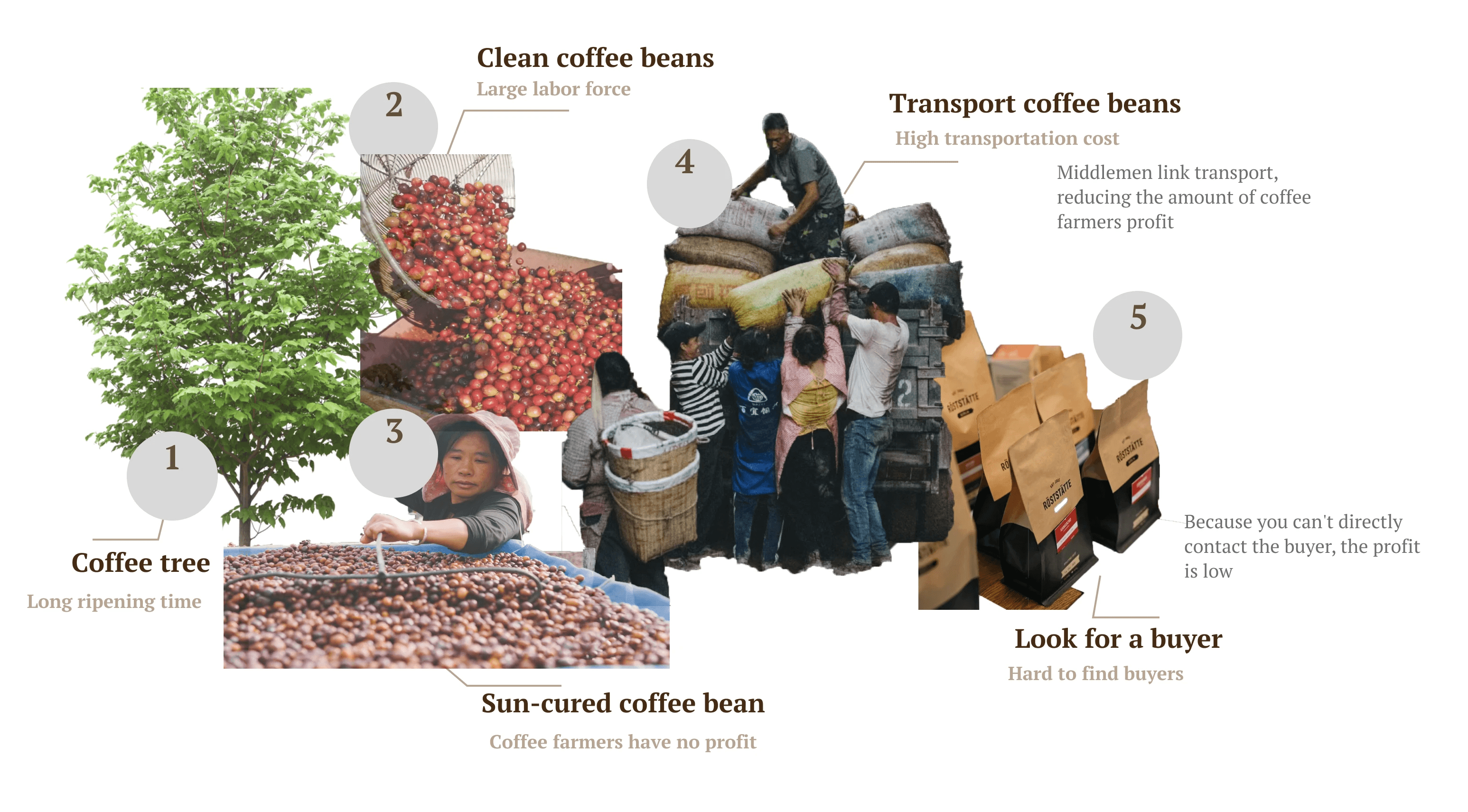
Current situation of coffee farmers
Insights Synthesis
Key Insight 1
Key Insight 3
Key Insight 2
Recycling Breaks When It Requires Extra Effort
Waste Feels Meaningful When Users Know Its Outcome
Coffee Grounds Are Generated Daily but Lack a Clear Destination
Primary Research With Stakeholders
Stakeholder Map
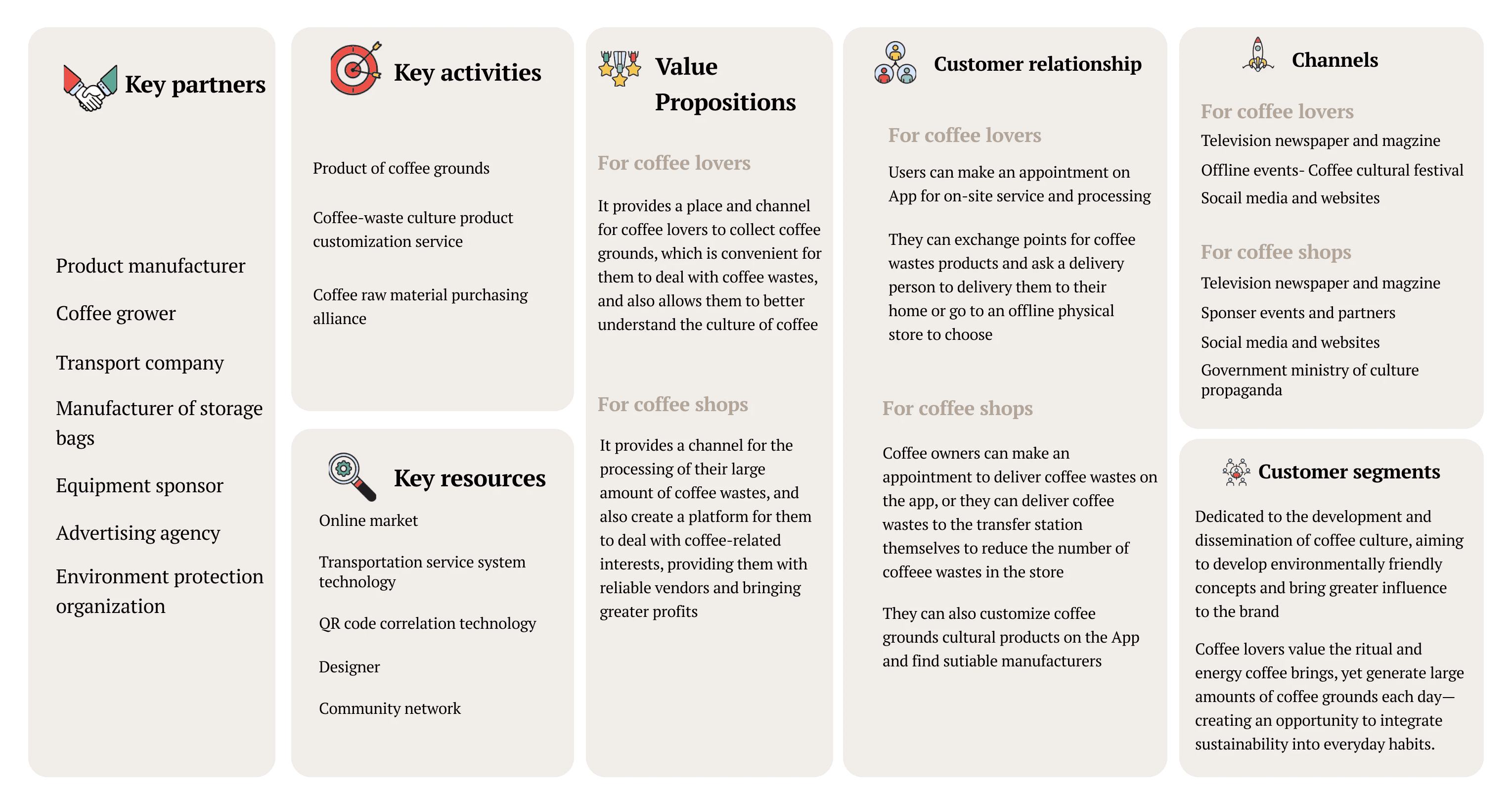
Business Canvas
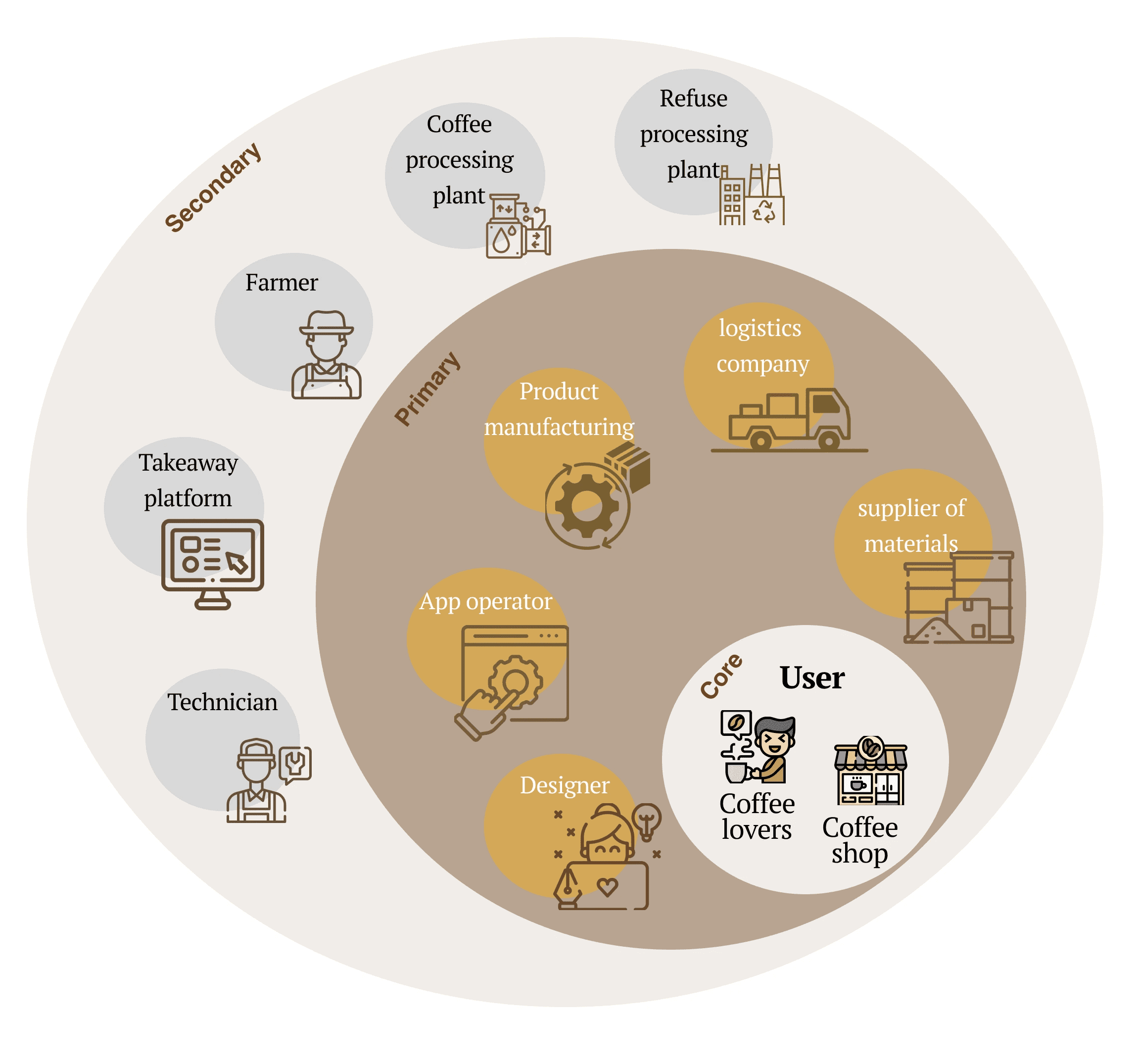
A multi-stakeholder ecosystem supporting a closed-loop coffee ground recycling system.
Core users drive participation, while primary and secondary stakeholders enable scale and sustainability.
A system-level view of how coffee ground recycling creates value across users, partners, and channels. The model supports both individual participation and commercial scalability.
A system-level view of how coffee ground recycling creates value across users, partners, and channels. The model supports both individual participation and commercial scalability.
Coffee lovers are unlikely to recycle coffee grounds unless the action fits naturally into their existing routines
When coffee grounds re-enter a visible, closed-loop system, users are more willing to participate in sustainable behavior.
Both individuals and coffee shops produce coffee grounds constantly, yet have no accessible system to collect or reuse them.
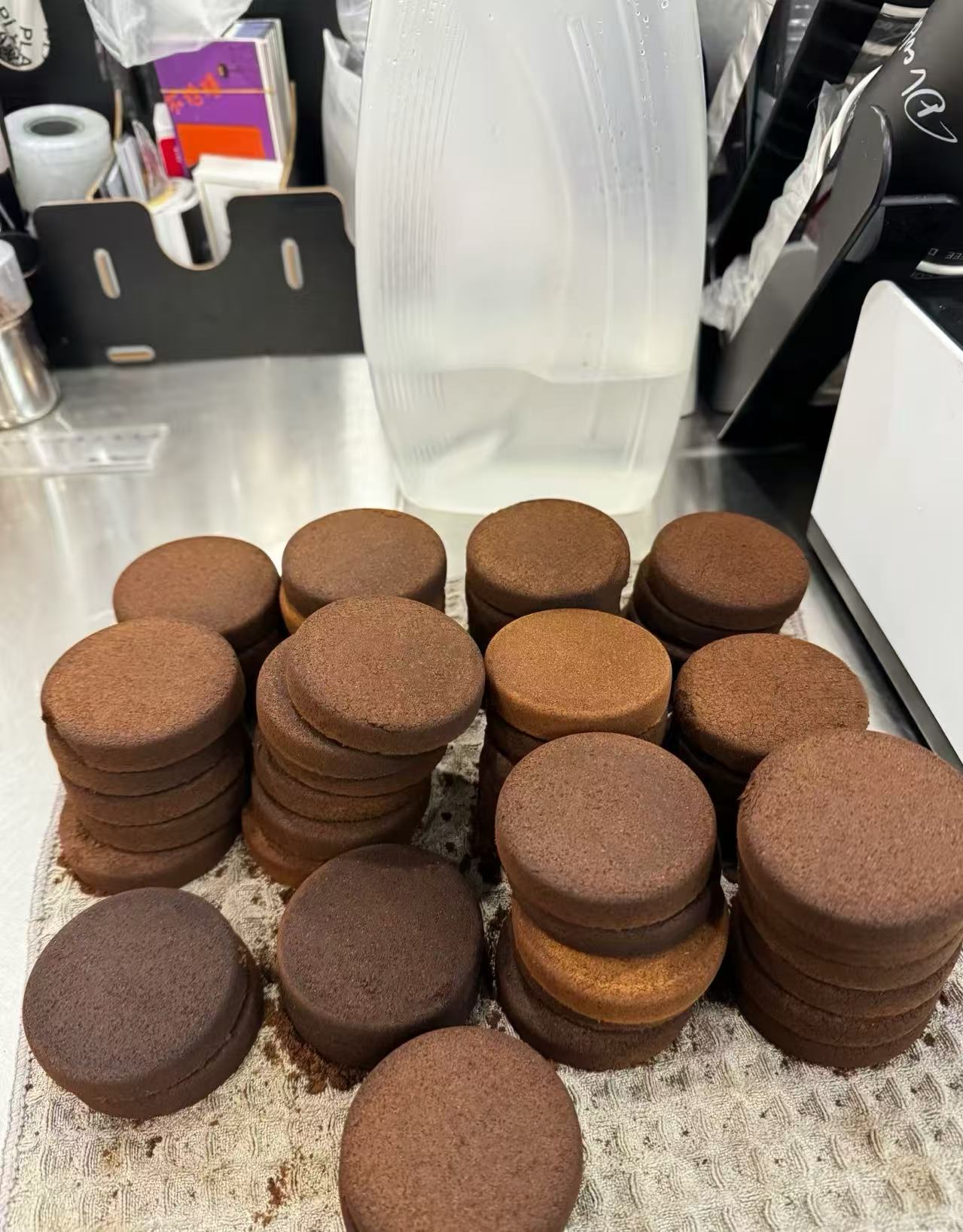
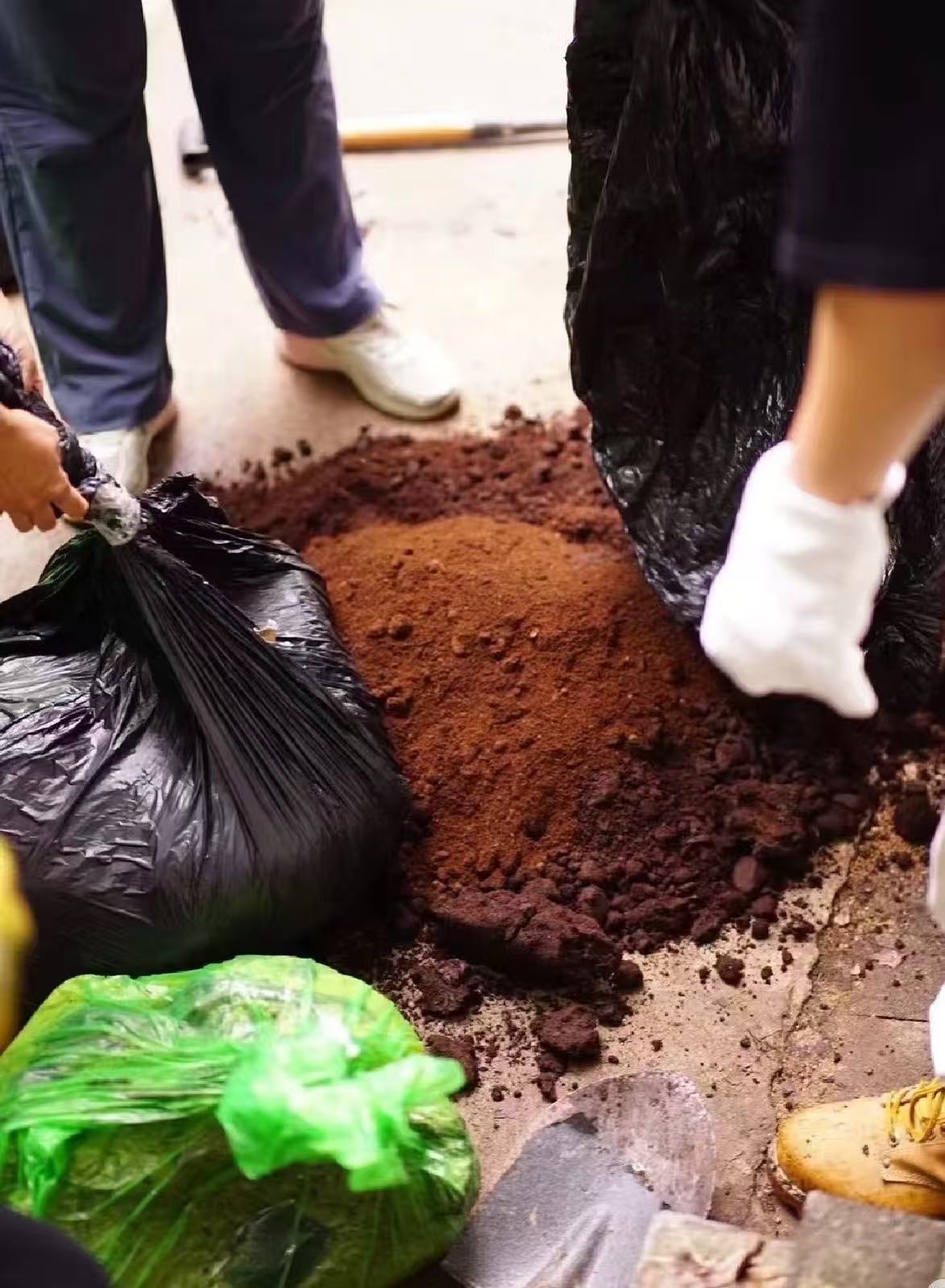

Create an accessible service ecosystem that transforms coffee waste into reusable resources.
Vision Statement
Persona
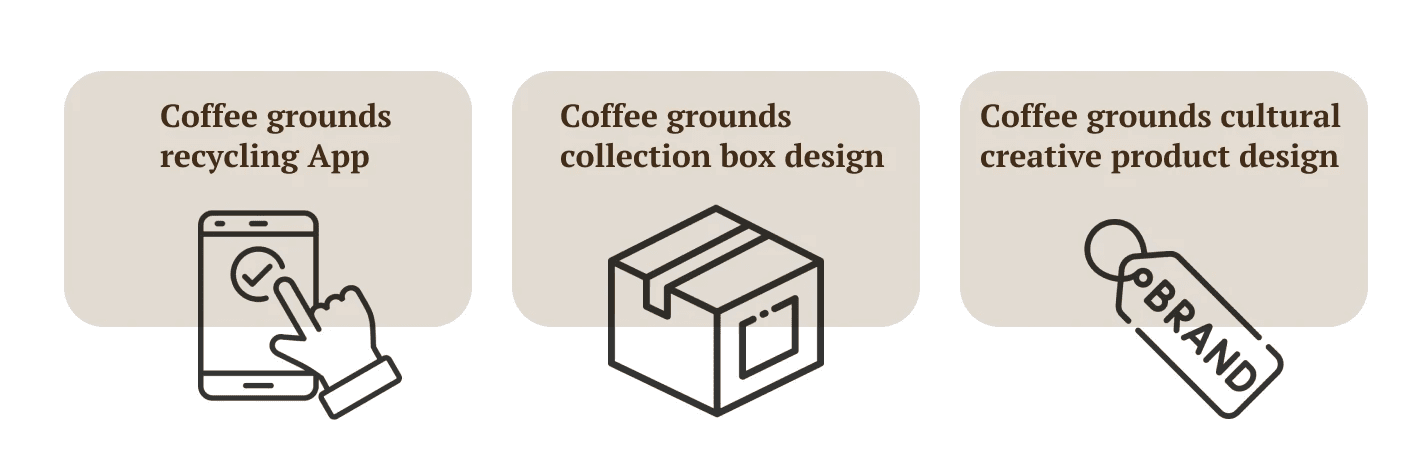
Concept
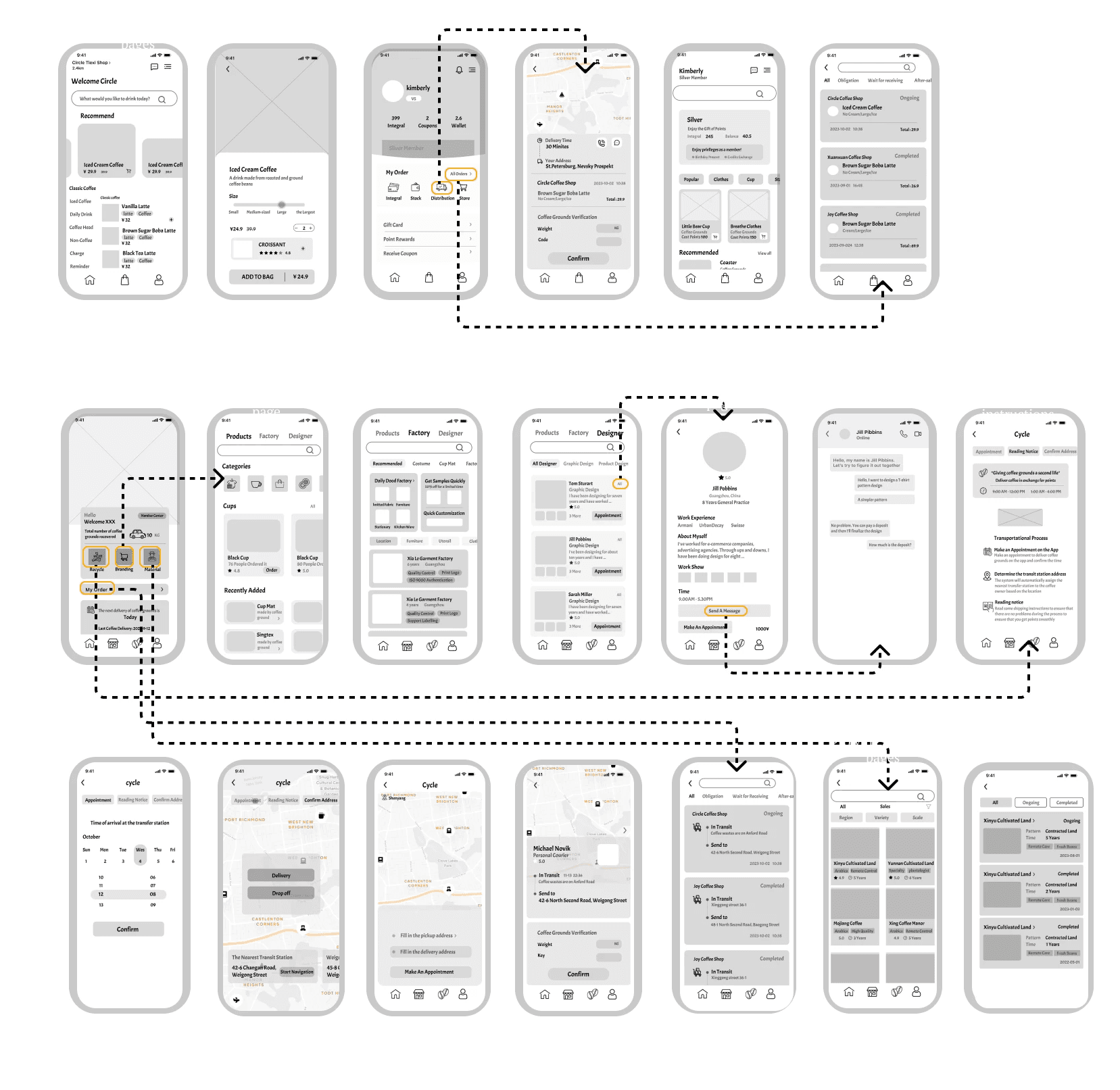
Design Prototype
Who is going to use this service
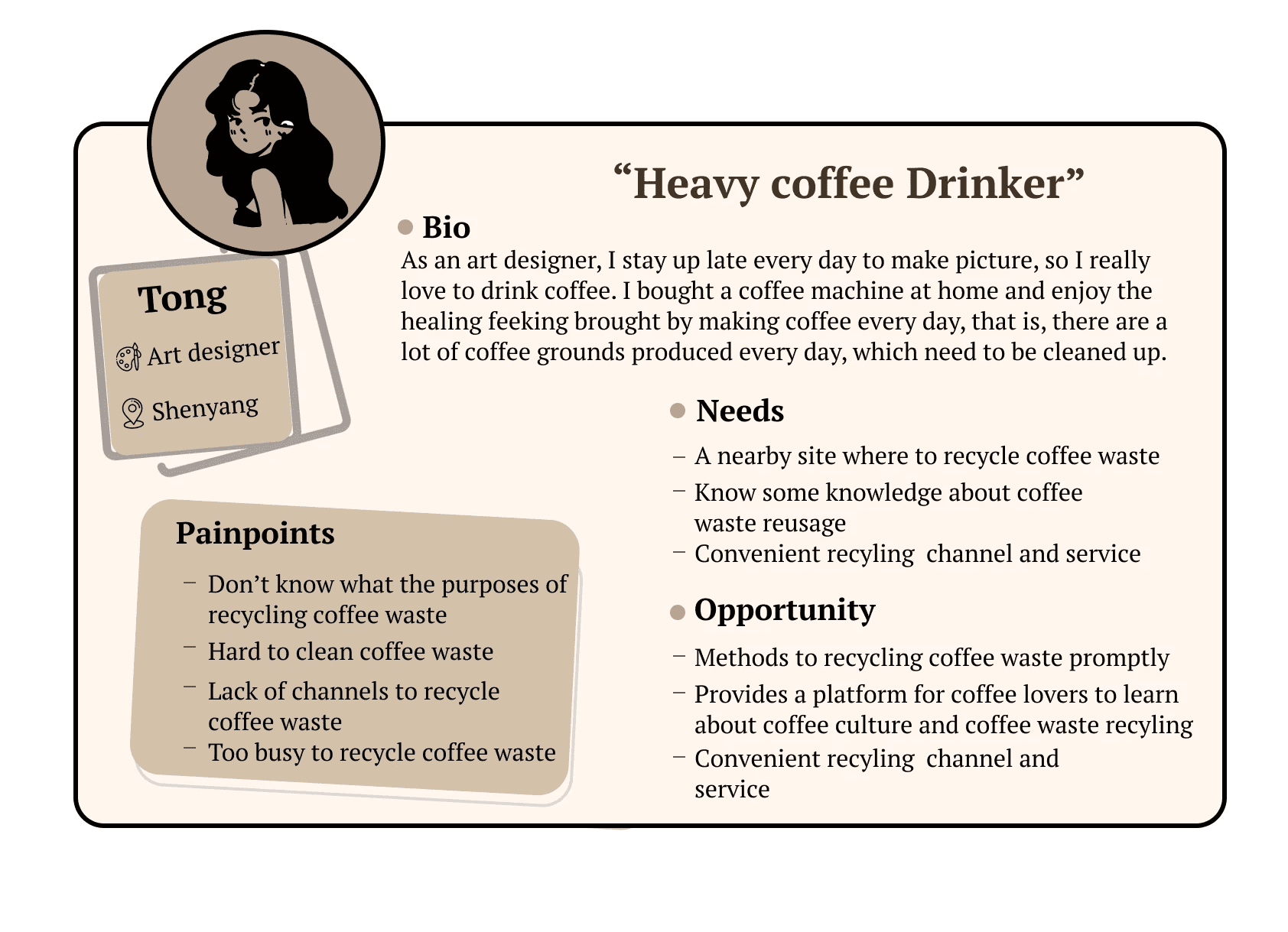
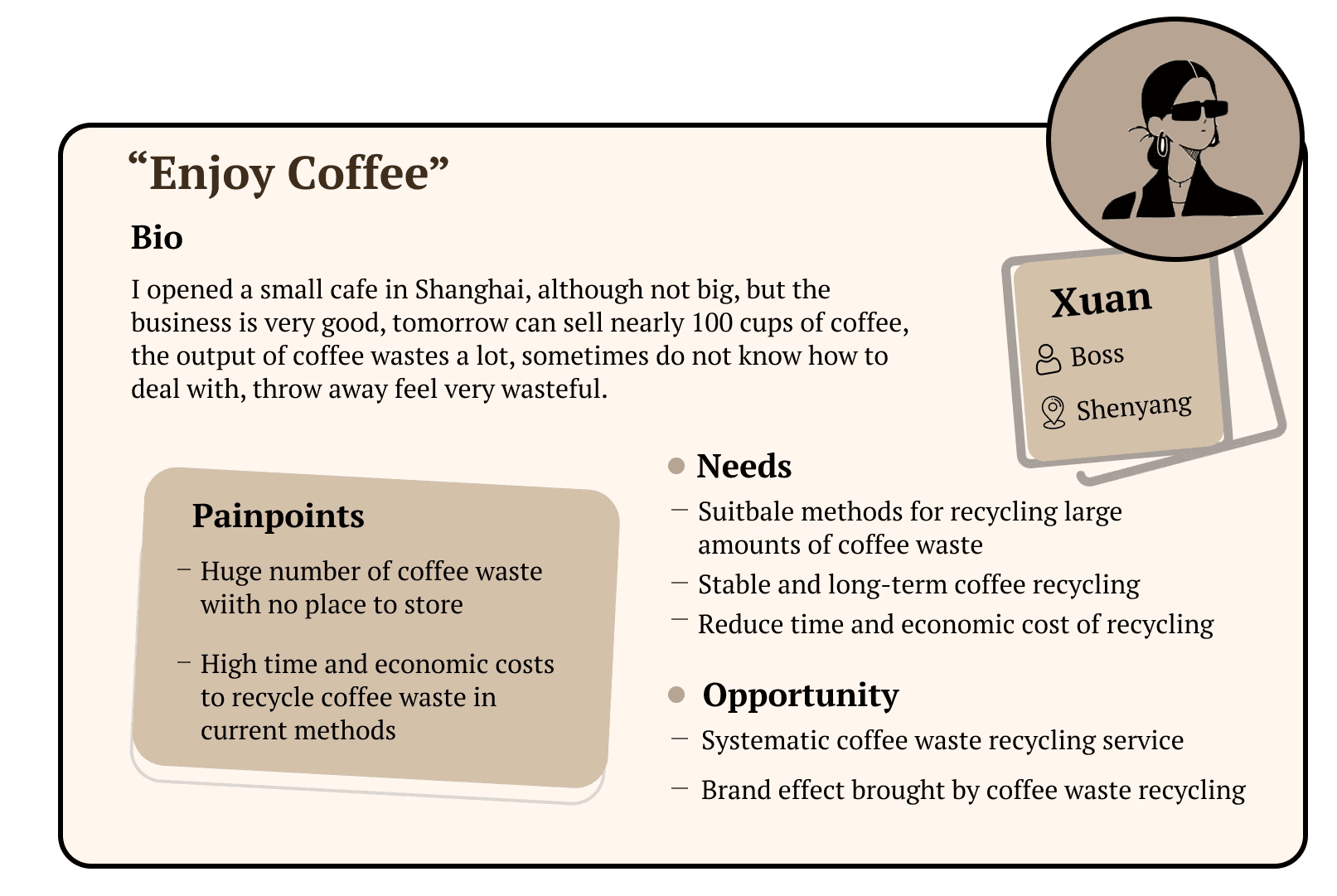
Client of Coffee Consumer
Color
Coffee Shop Owner Client
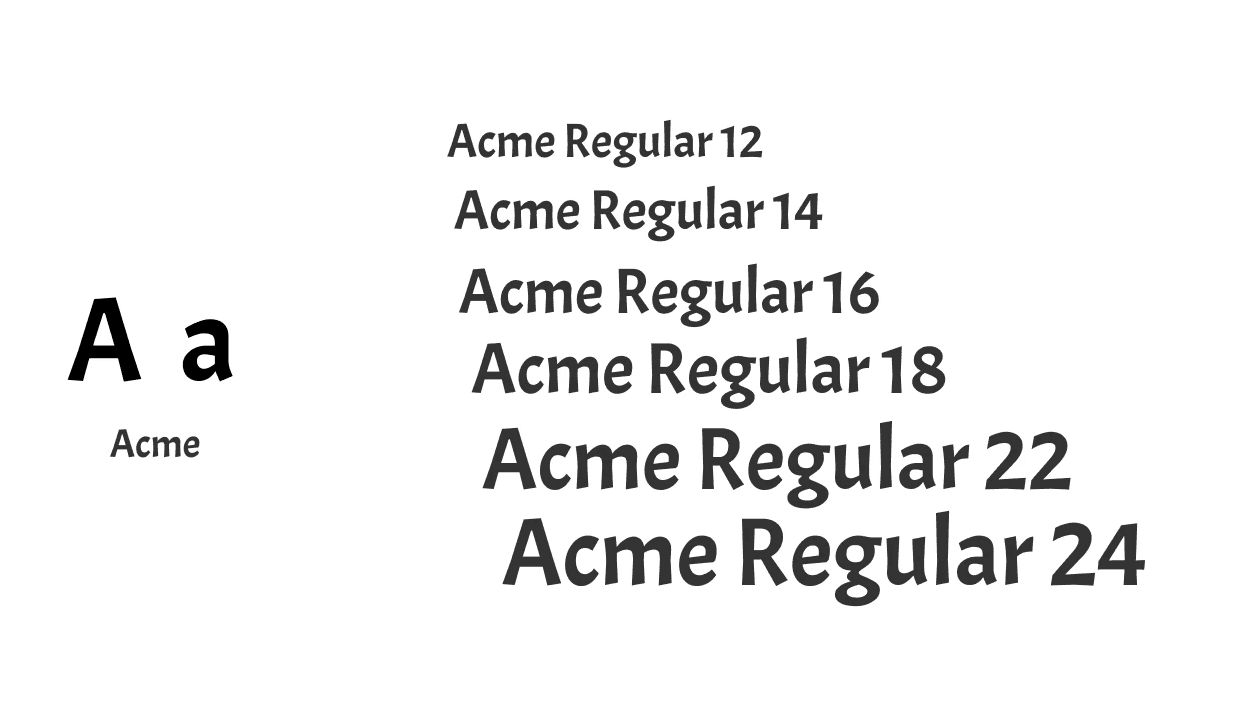
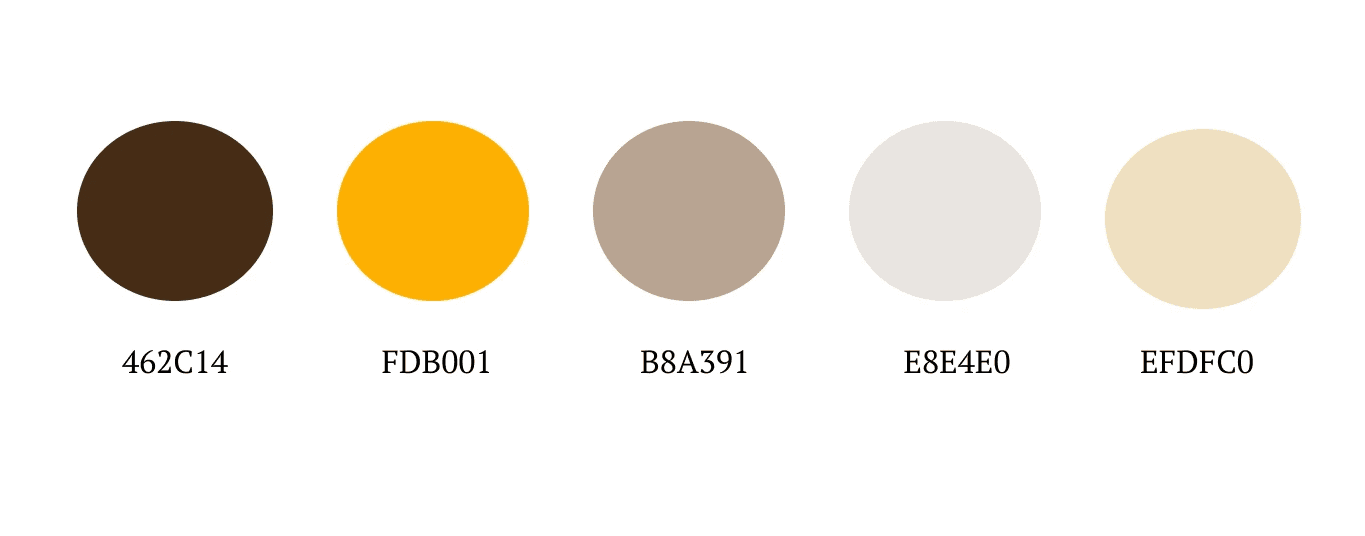
Typography
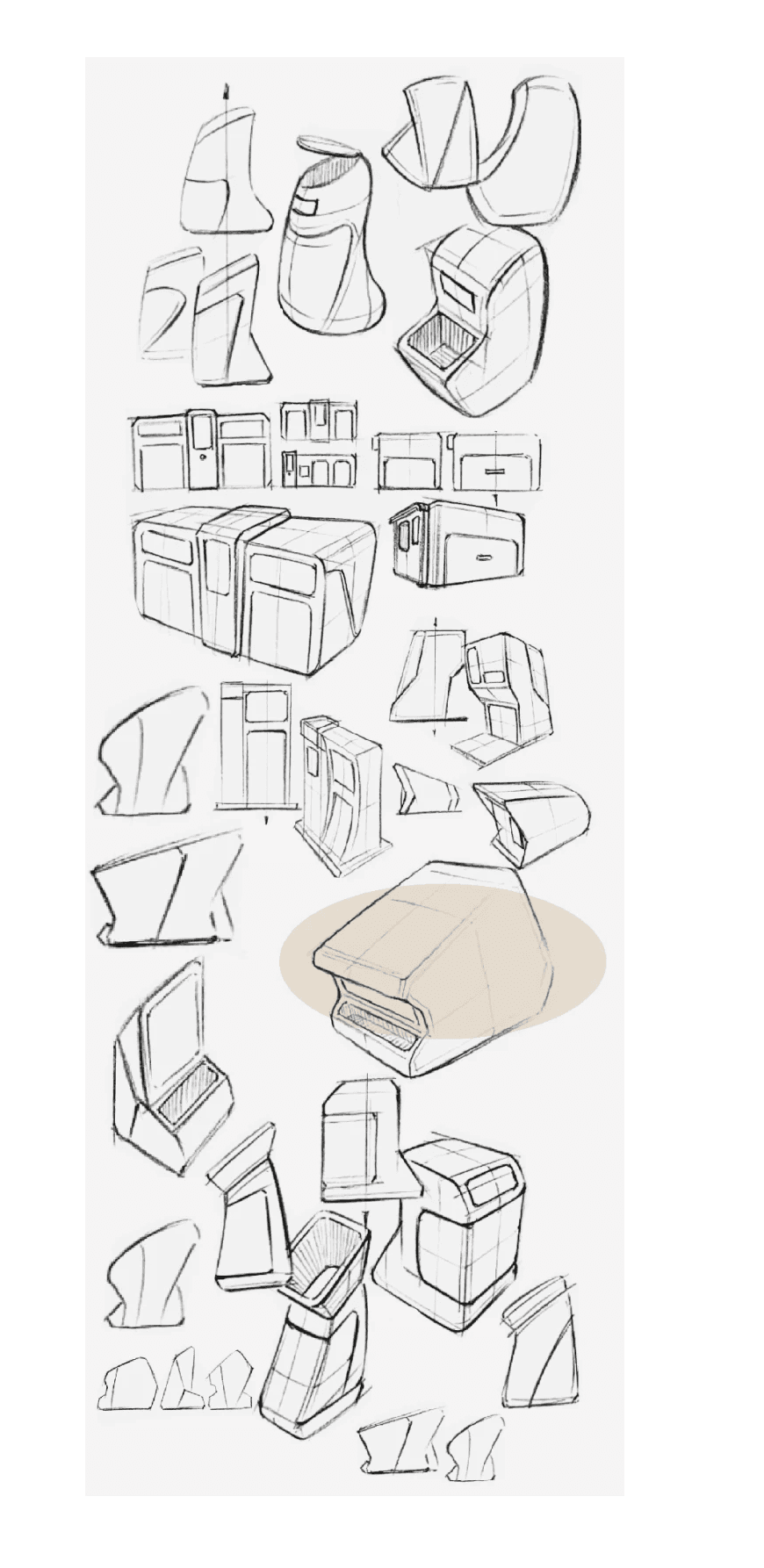
Inspiration Sketch
I have drawn many drafts, from the original traditional trash can shape, to the later comprehensive consideration of many factors, and found that this is the most suitable way for coffee owners to pour coffee grounds.
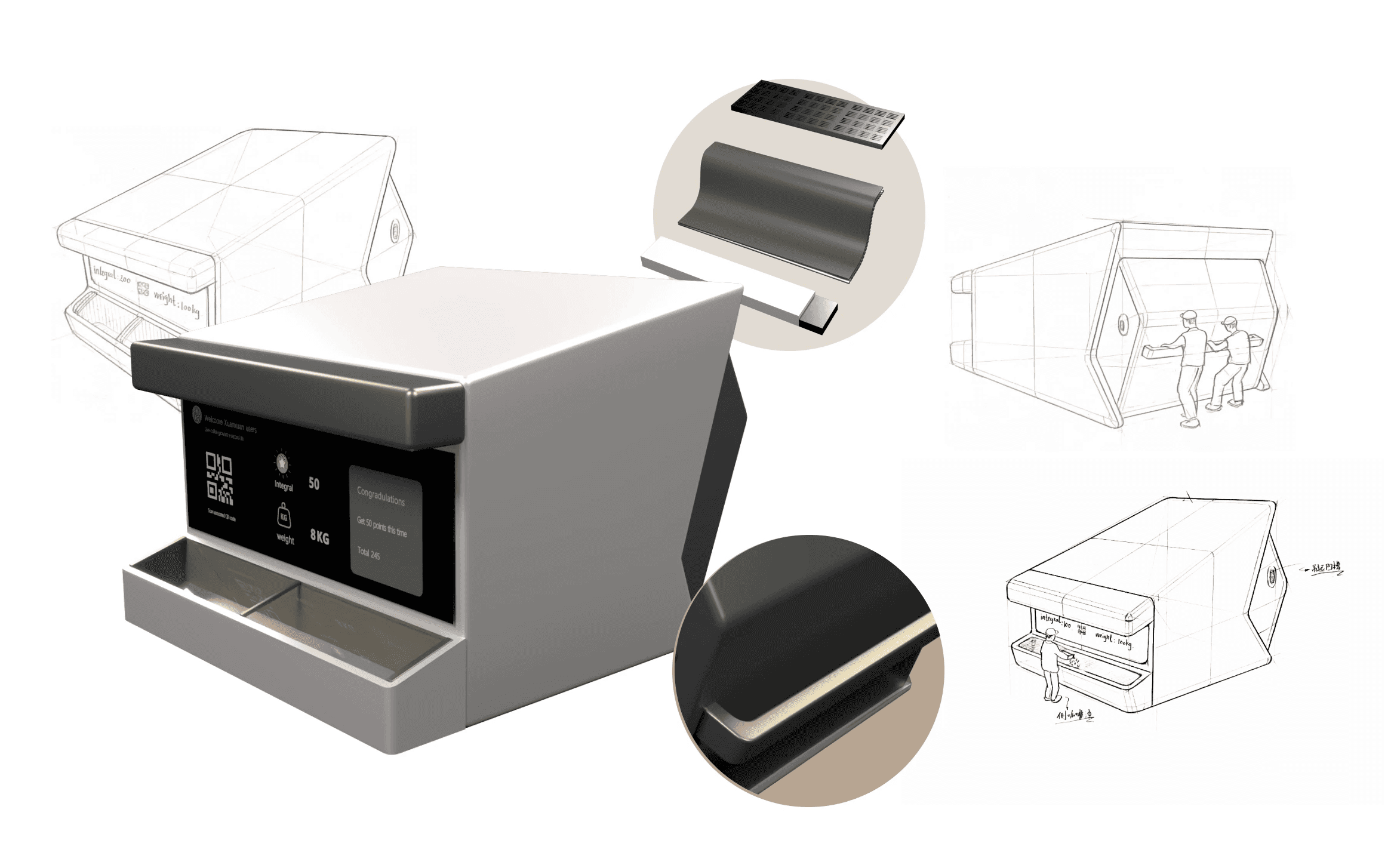
The weighing meter is combined with the conveyor belt, and the dryer keeps the coffee grounds dry
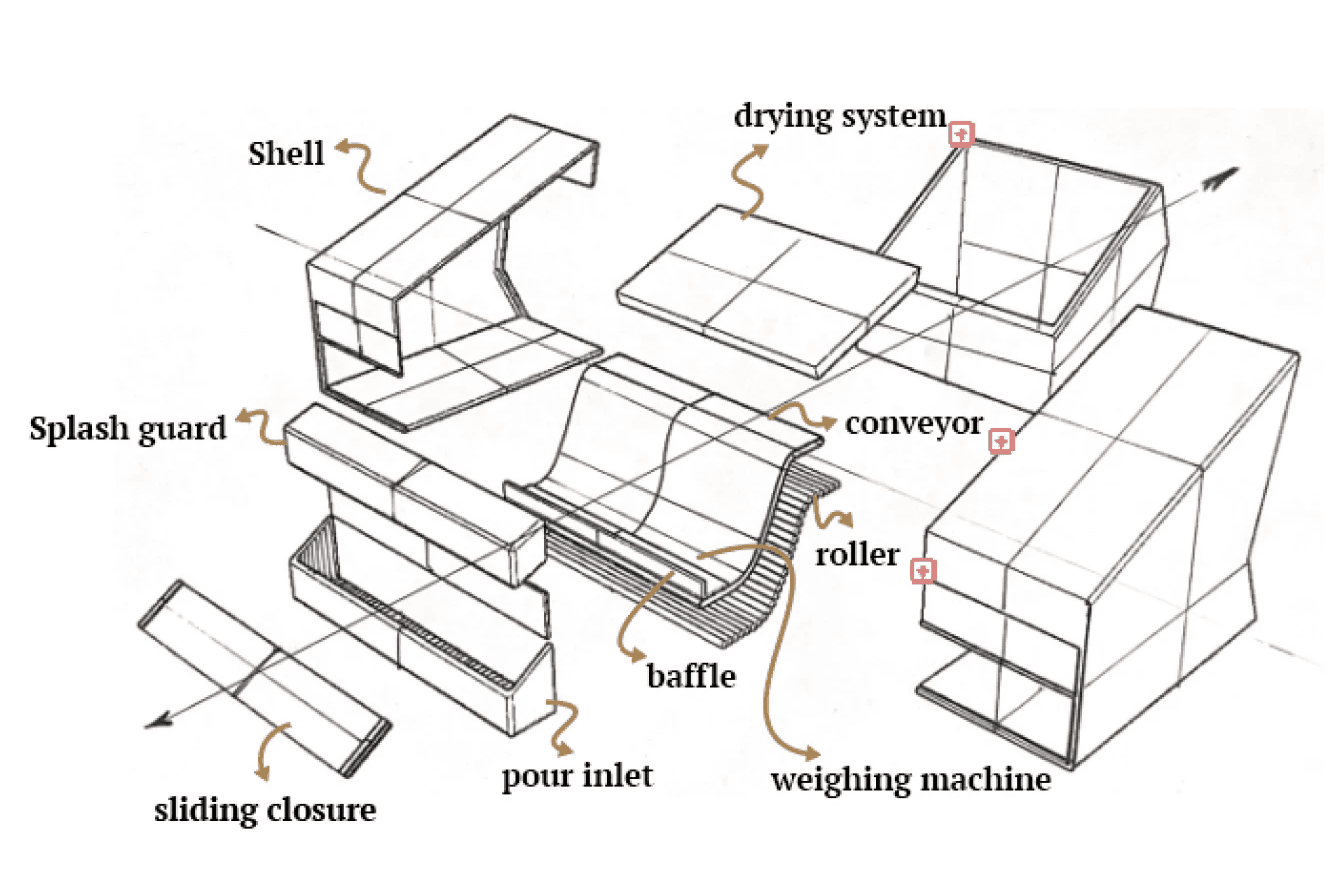
The weighing meter is combined with the conveyor belt, and the dryer keeps the coffee grounds dry
Rendering
Rendering
Convenient for staff to take coffee grounds
Design System
Application
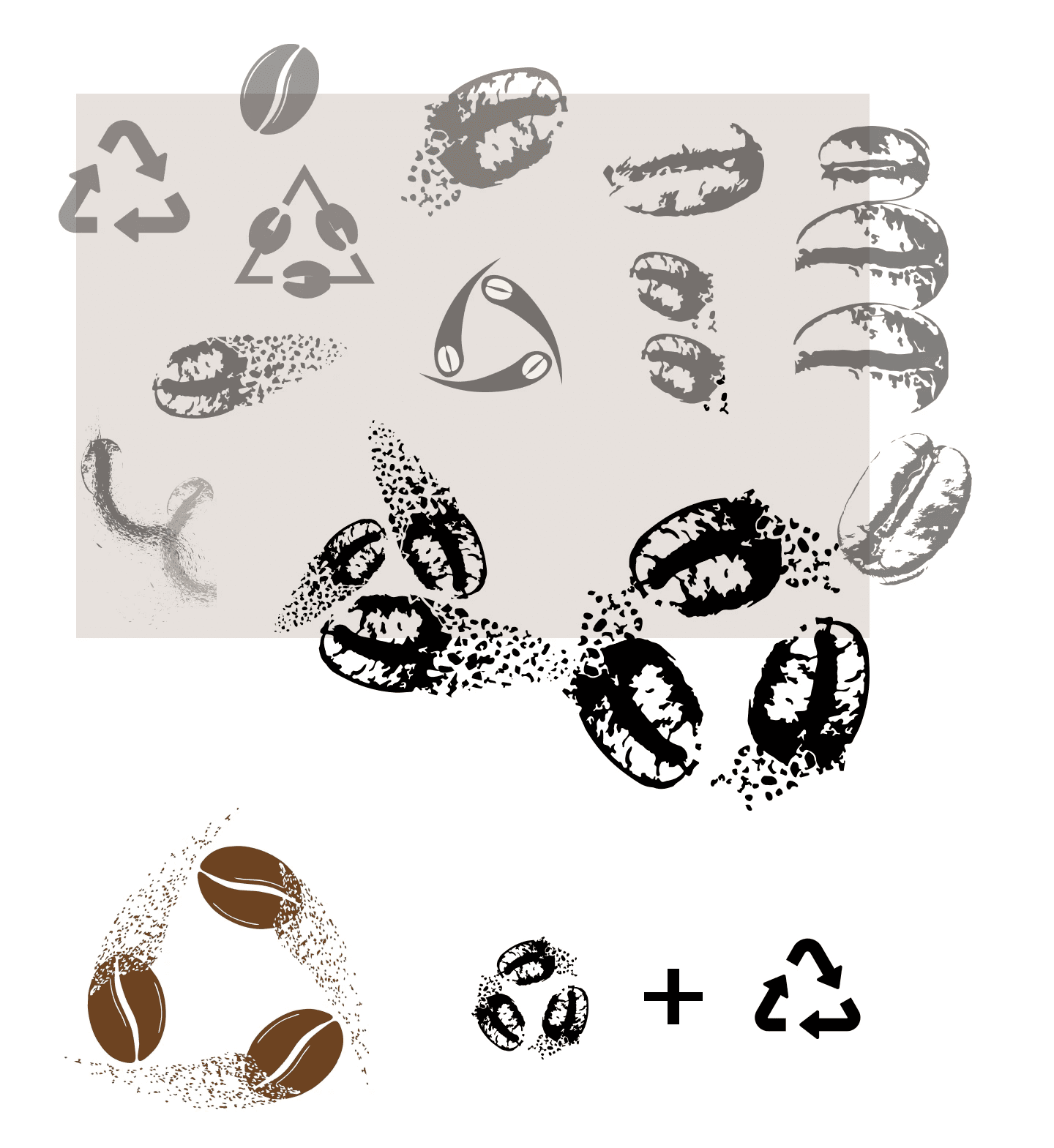
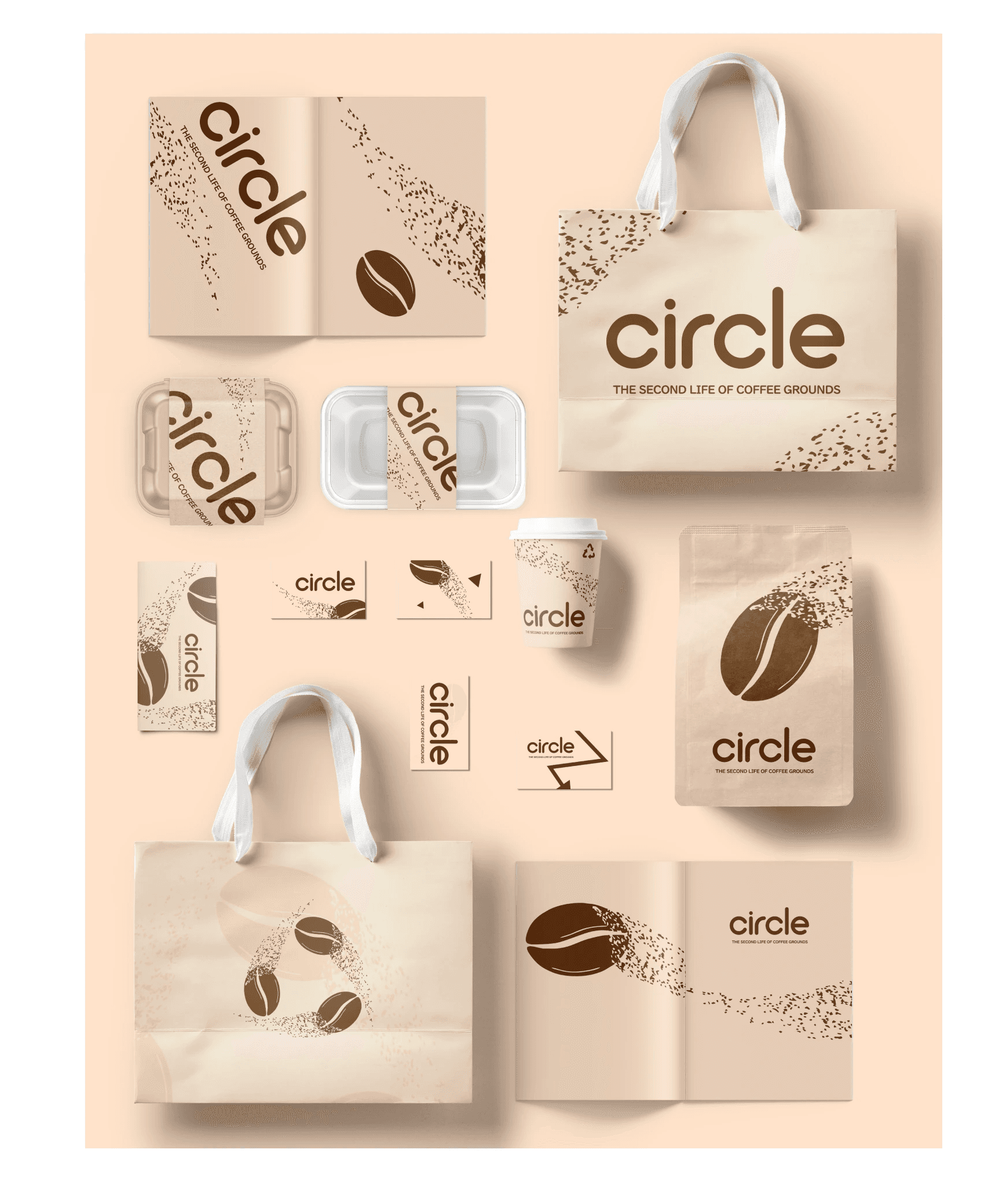
The meaning of this logo is a form of integration of coffee beans and cycle logo. I drew many drafts, and finally found that this form can best highlight the meaning of coffee grounds cycle