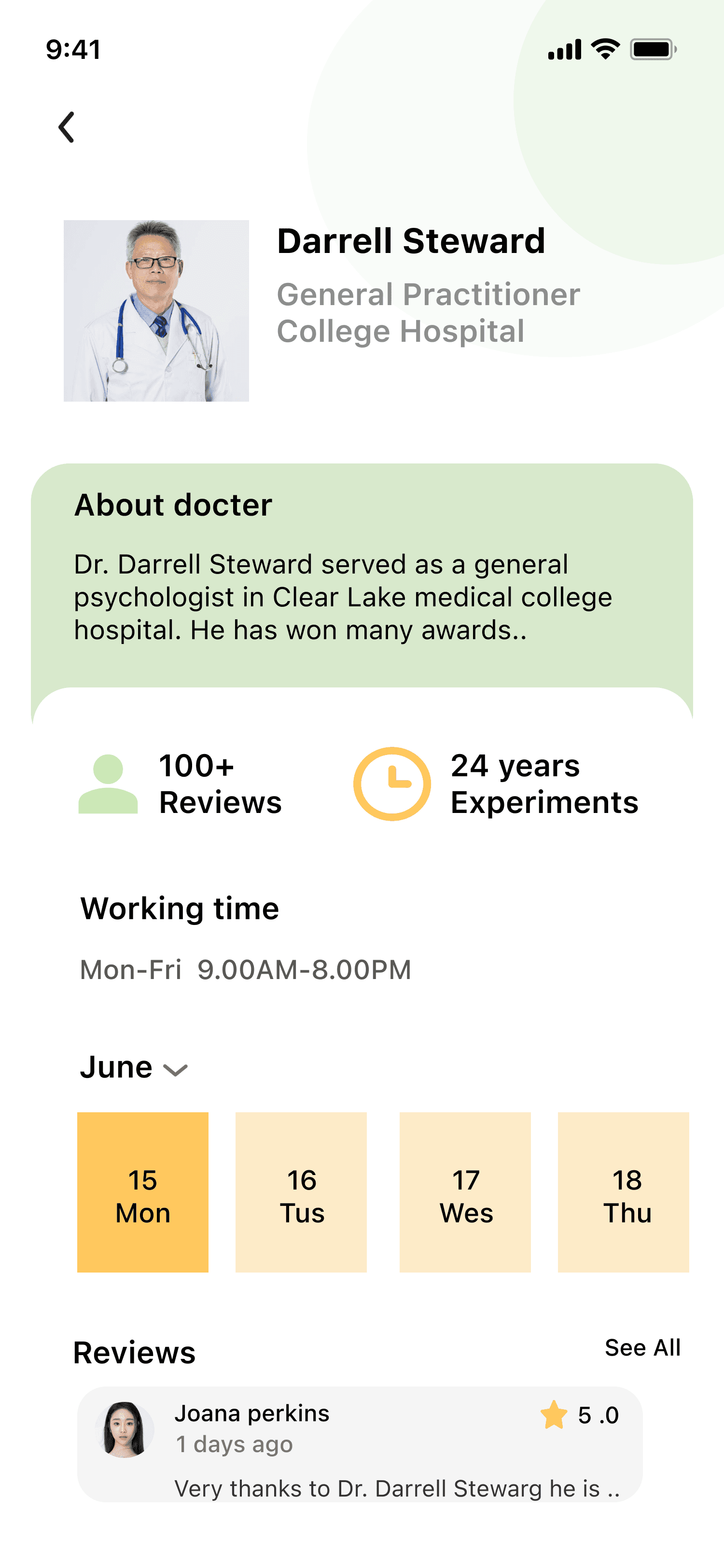
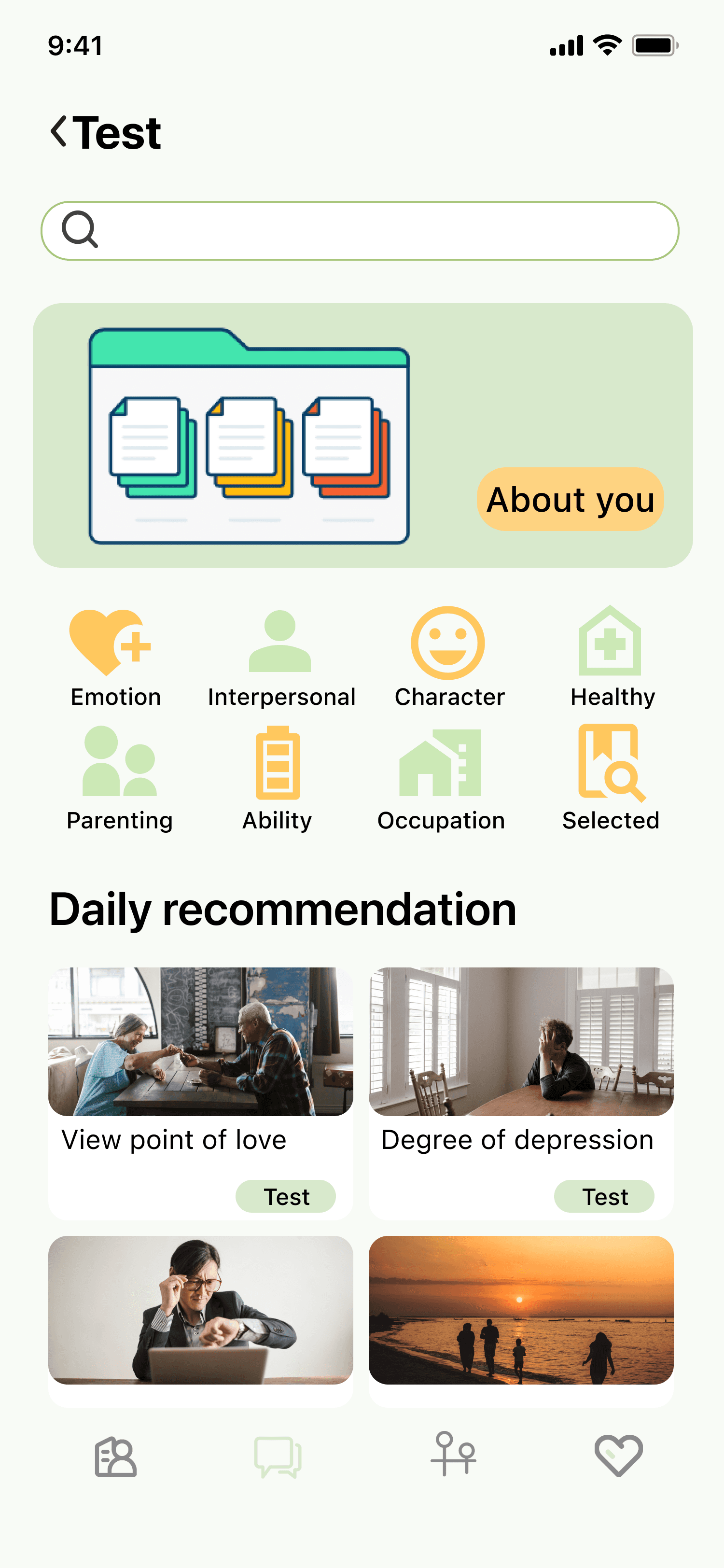
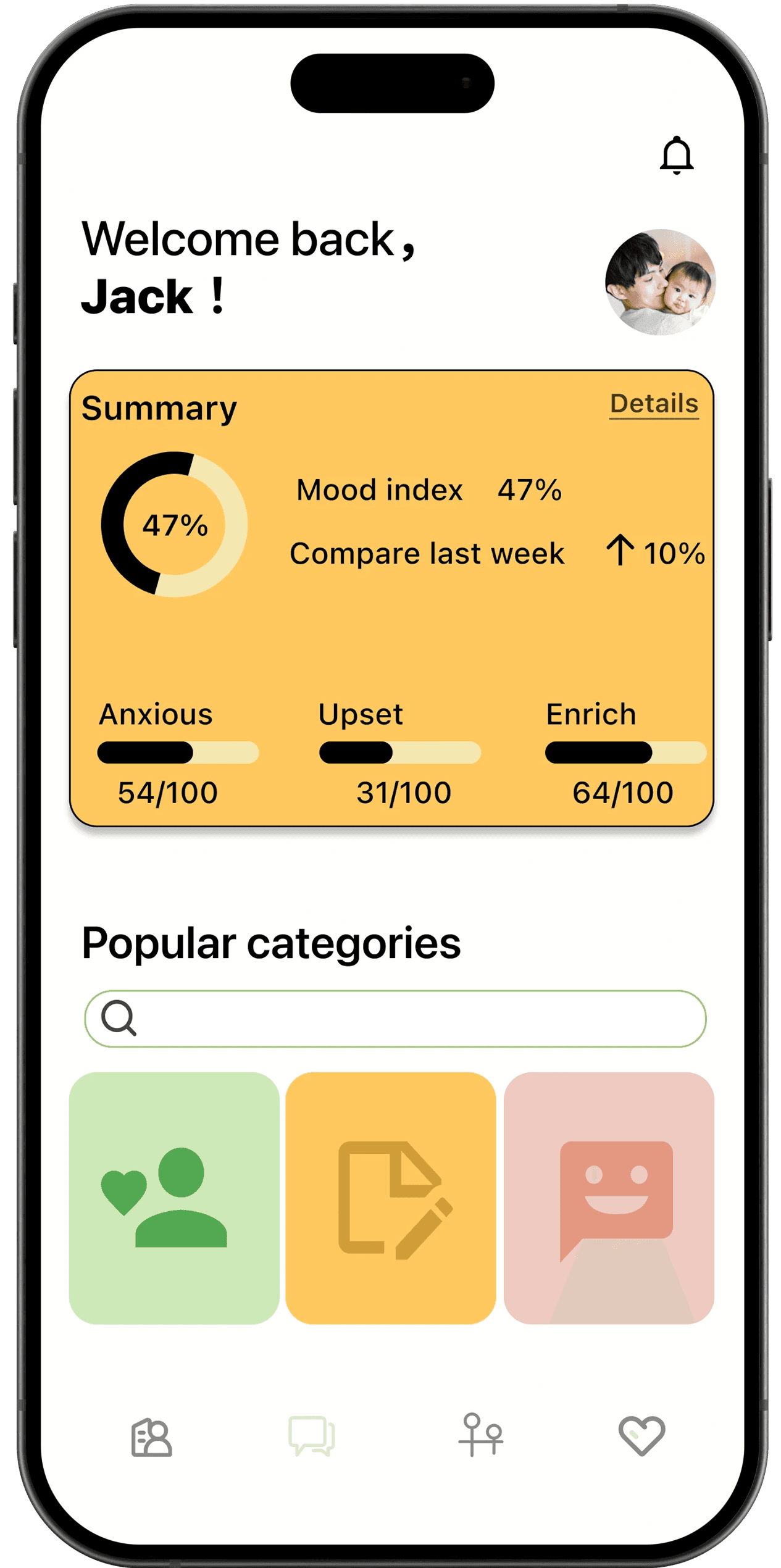
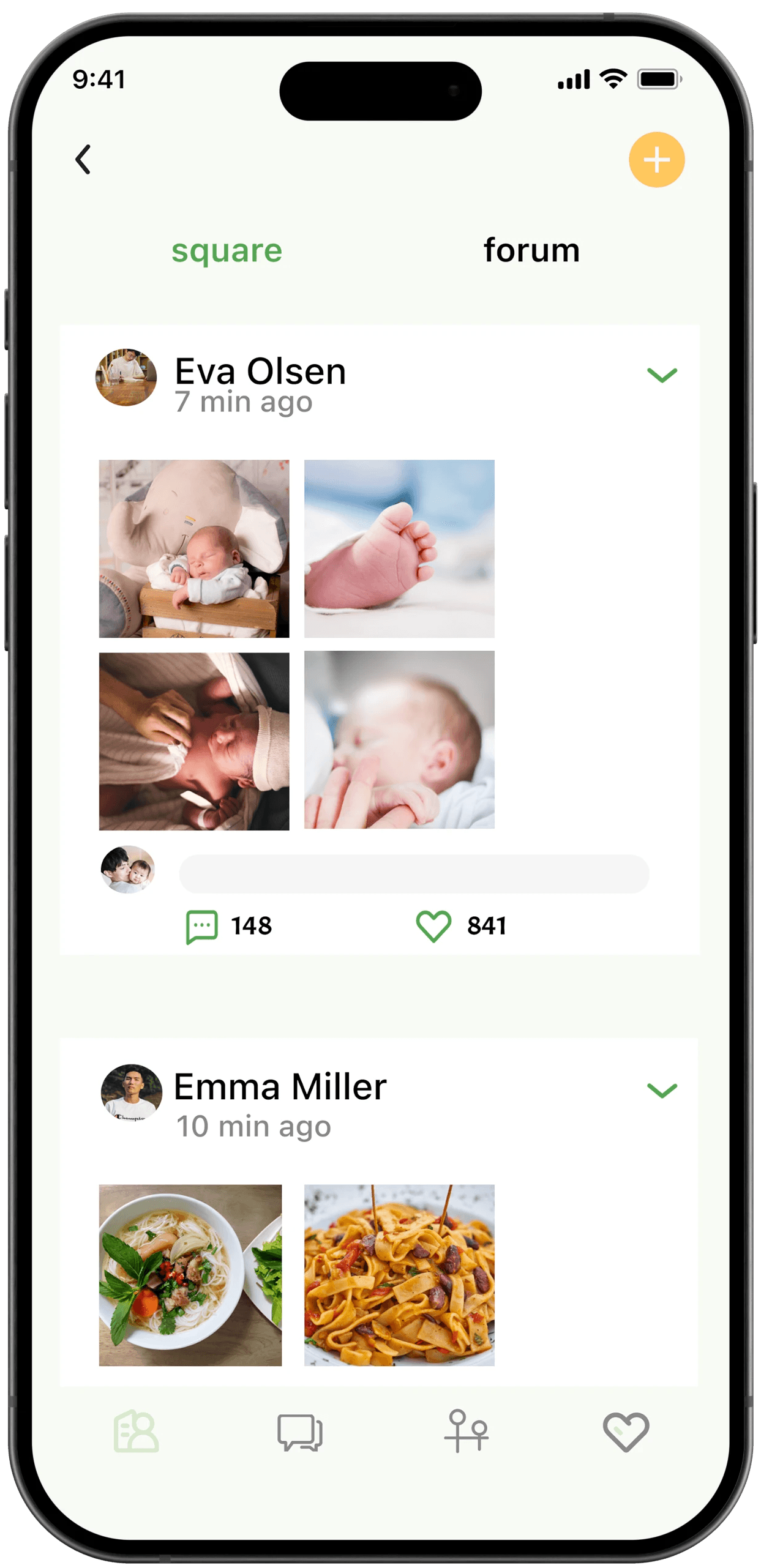
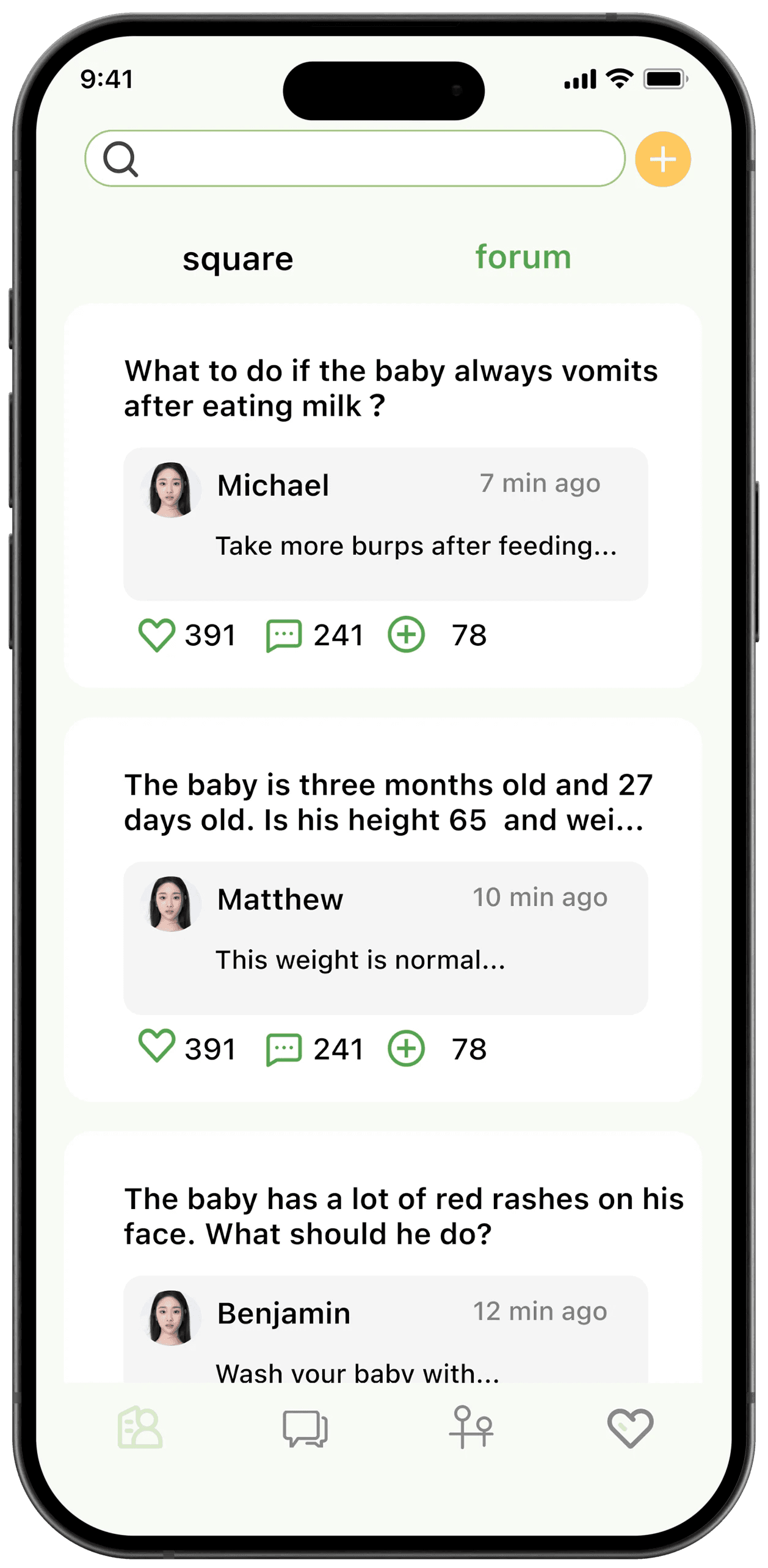
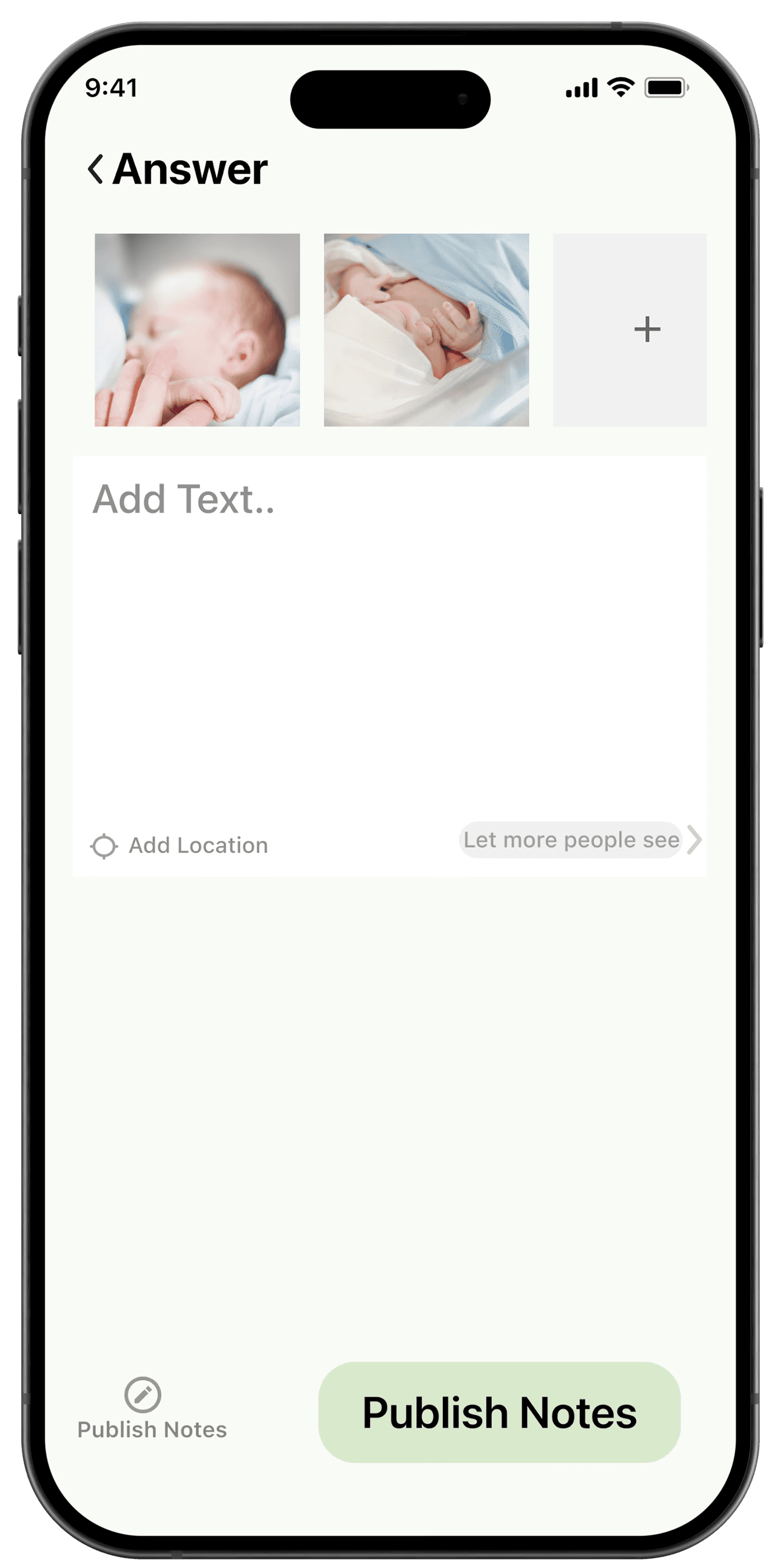
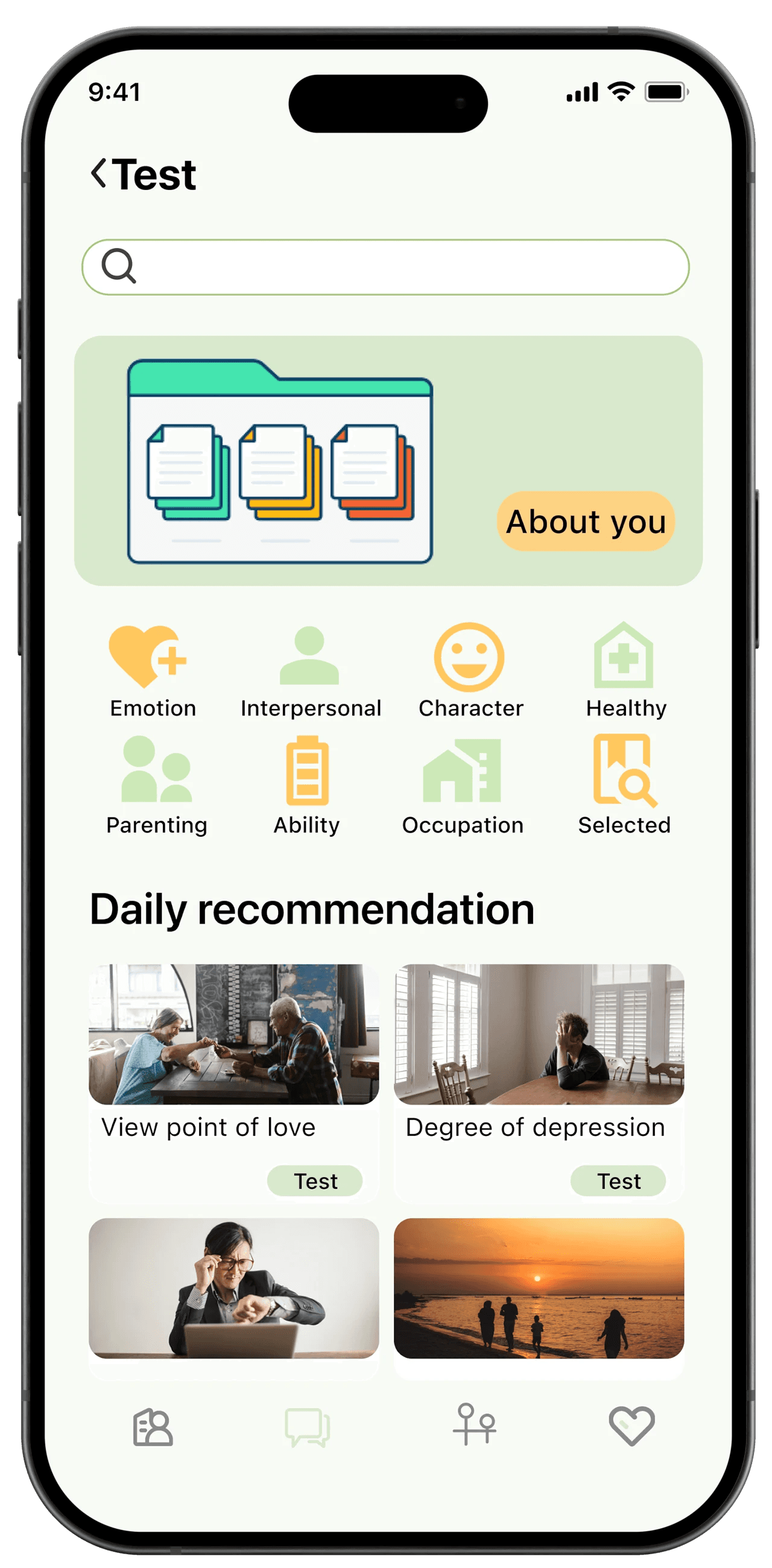
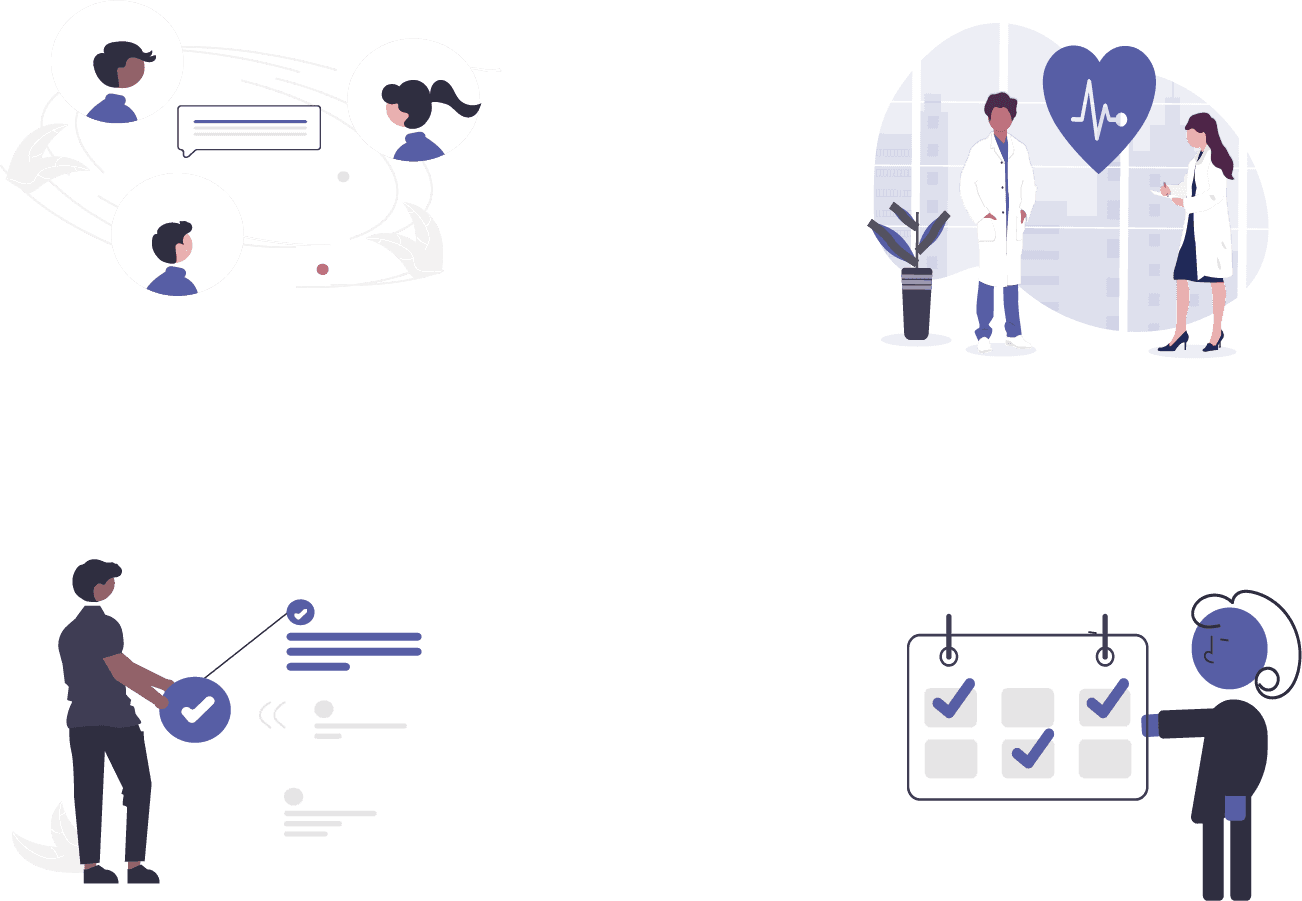
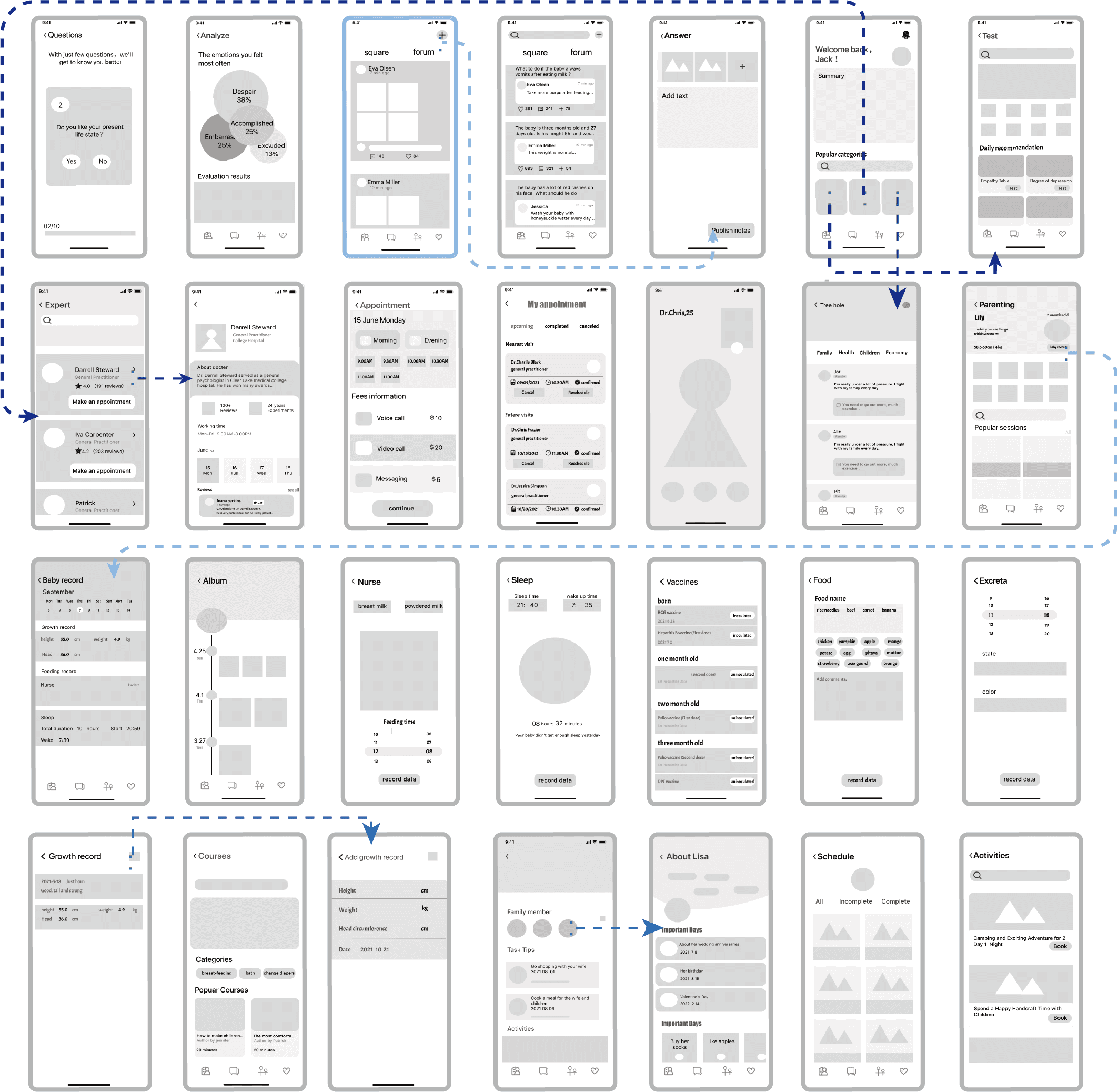
A space for self-checks, professional support, and anonymous emotional release.
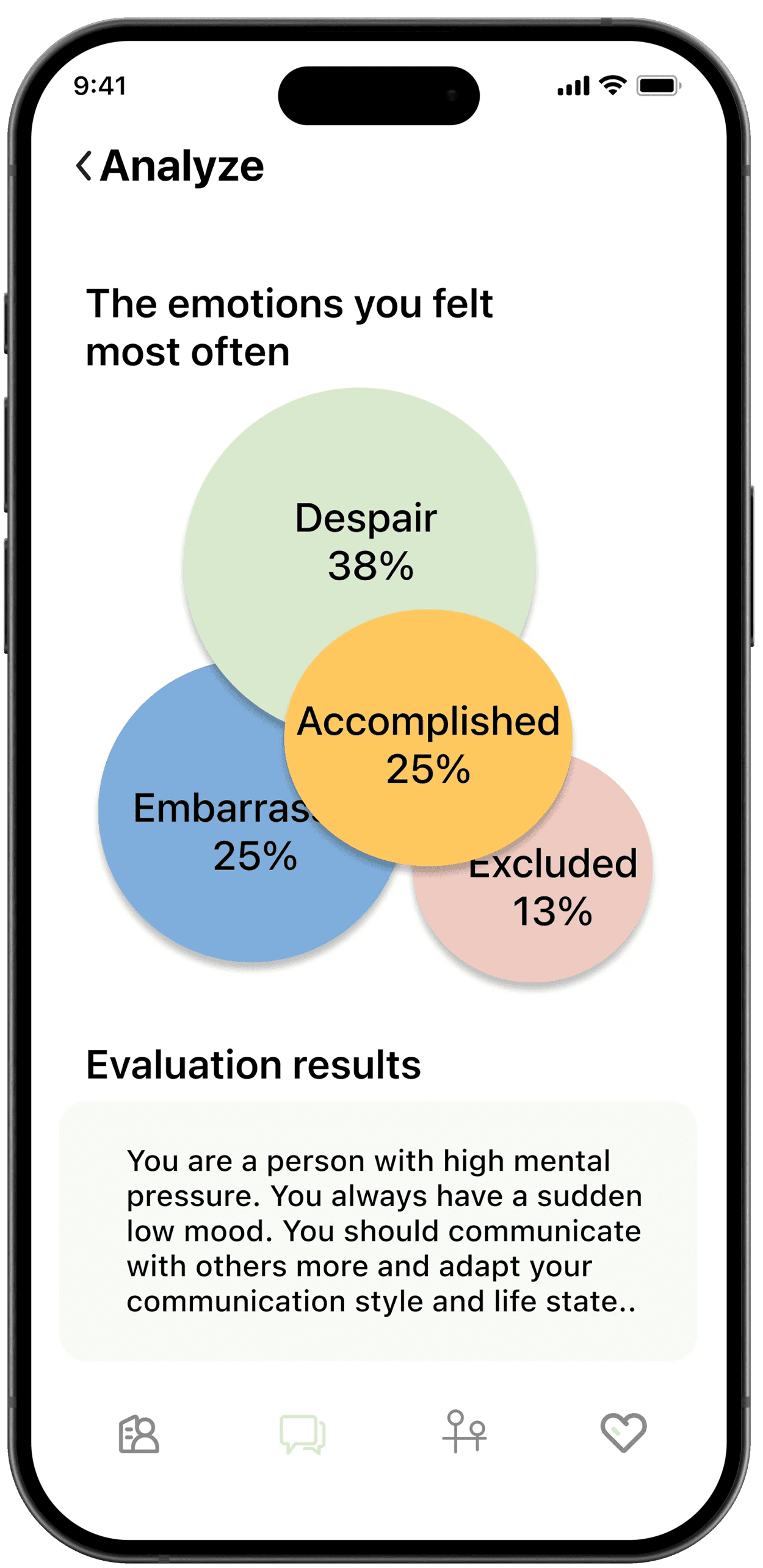
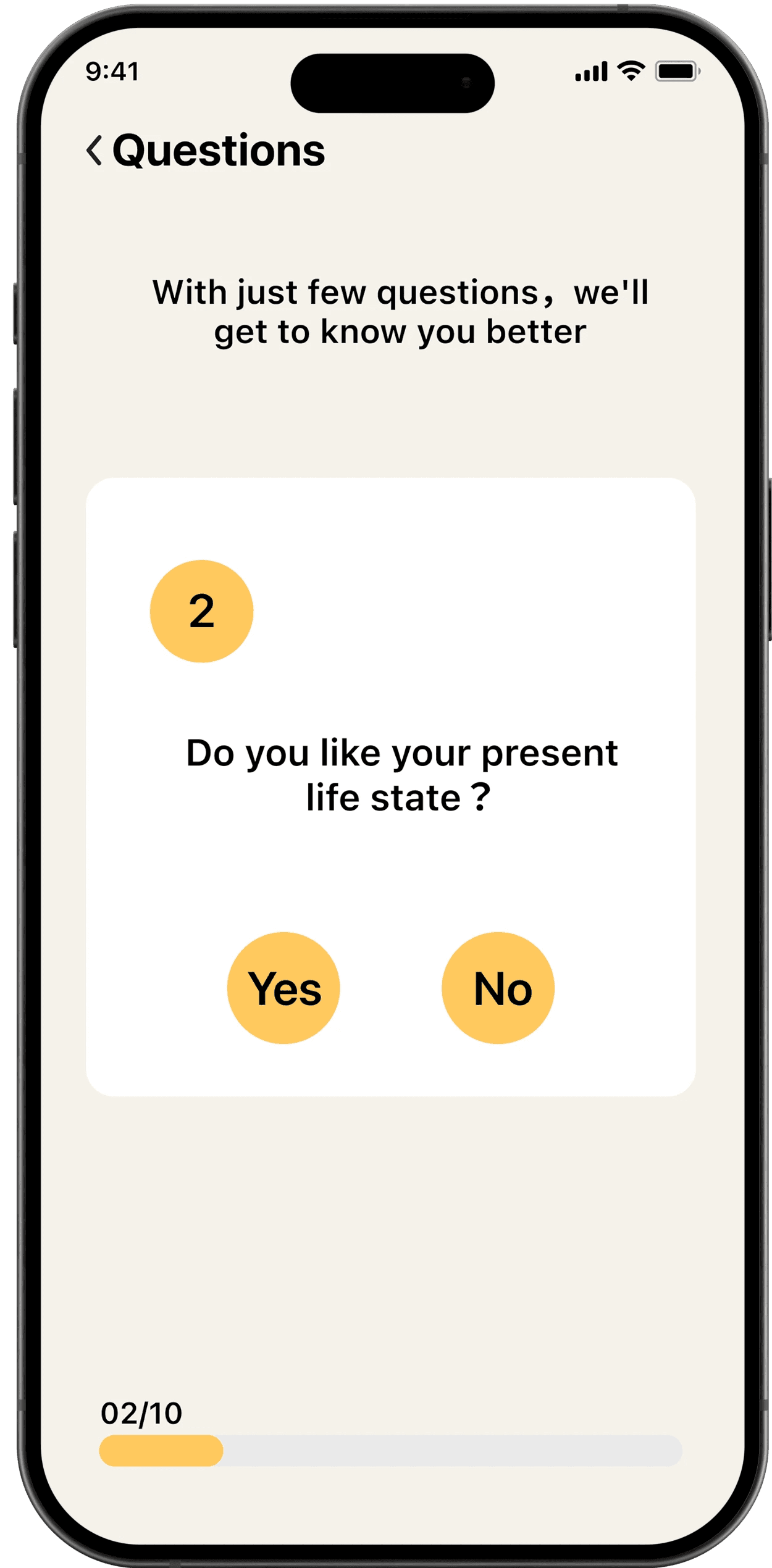
Mental health self-assessments to help fathers recognize emotional states Mental health self-assessments
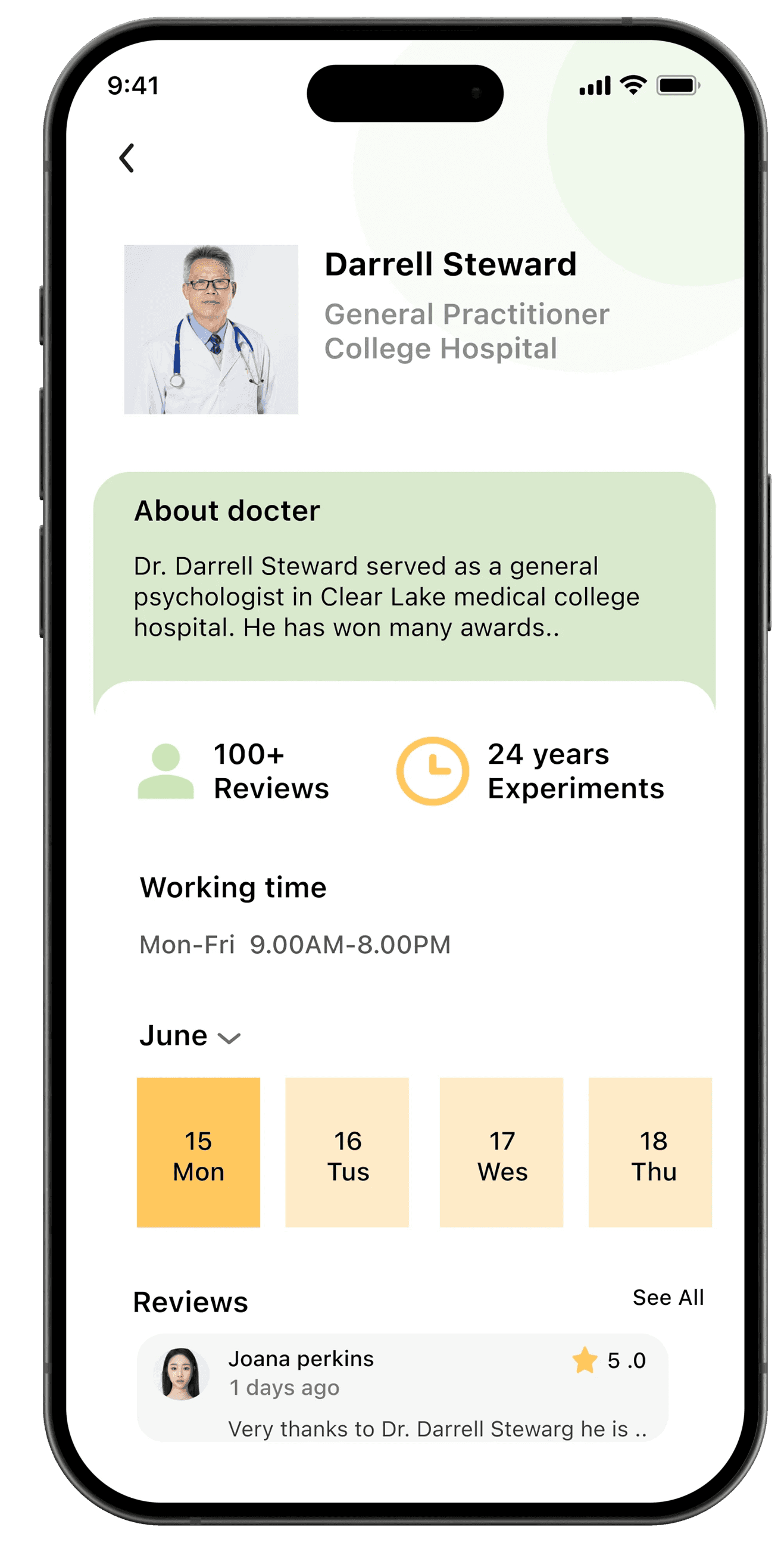
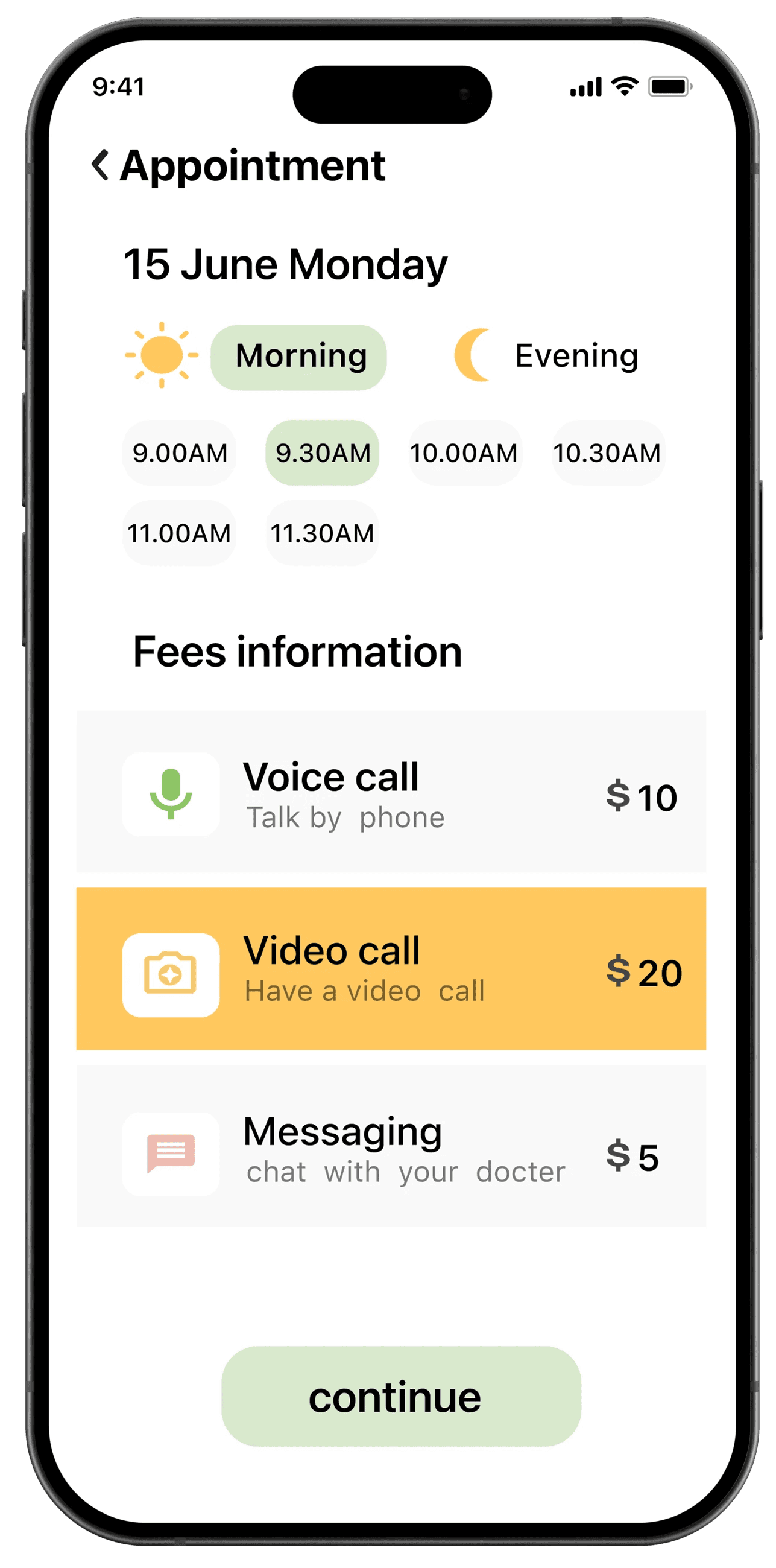
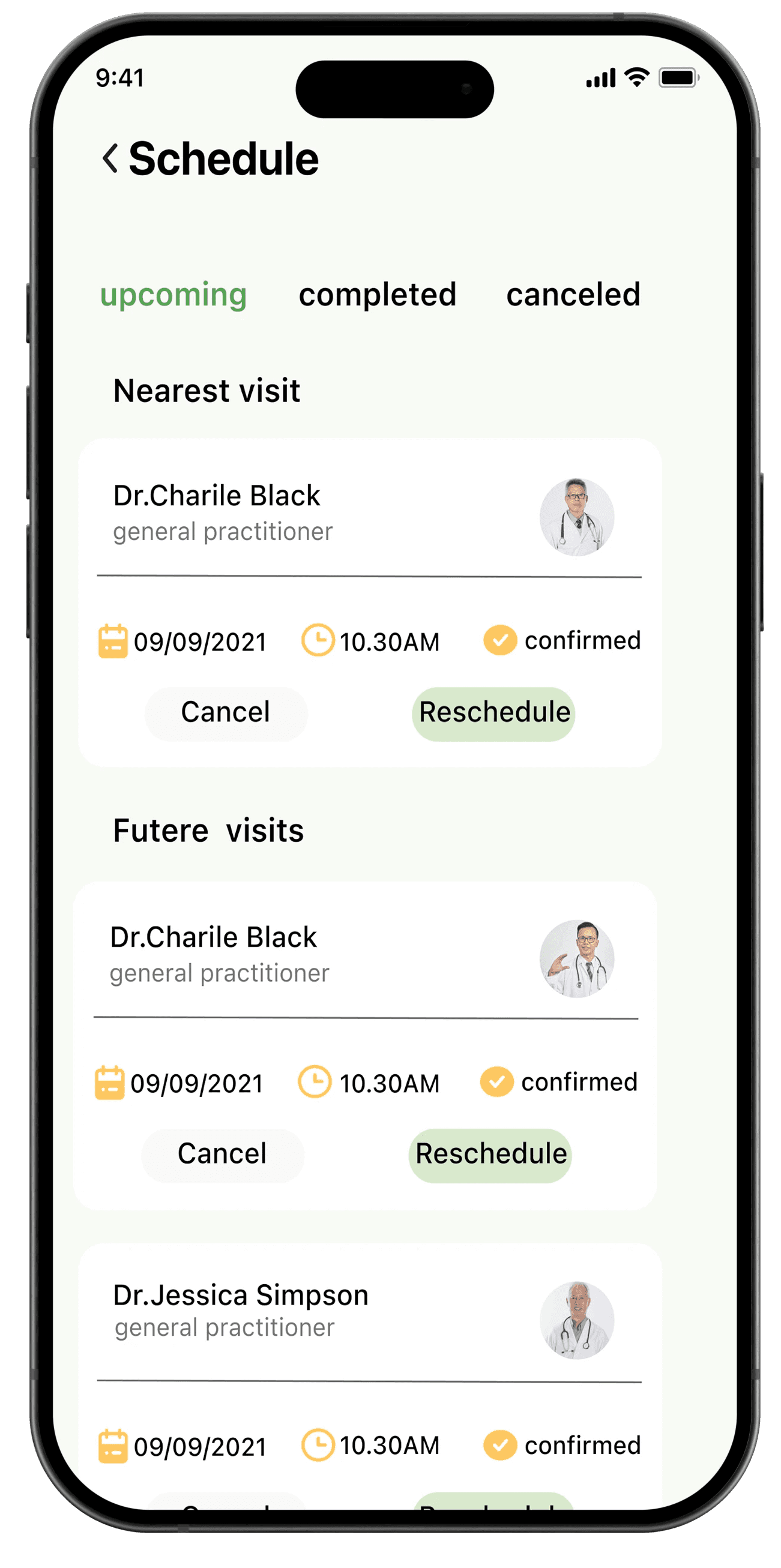
Psychologist booking for professional support when needed Psychologist booking
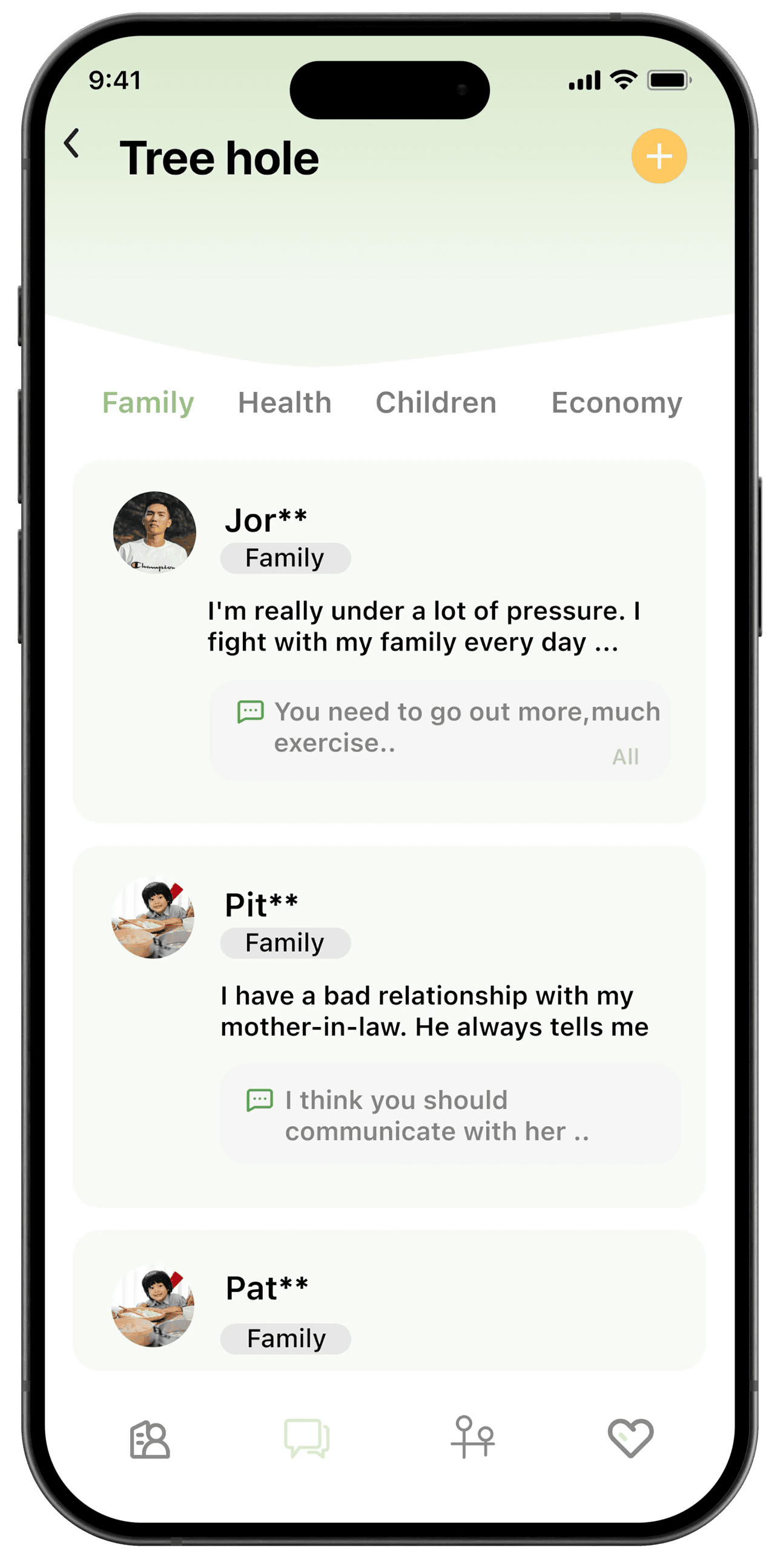
Anonymous "tree hole" for private emotional release Anonymous "tree hole"
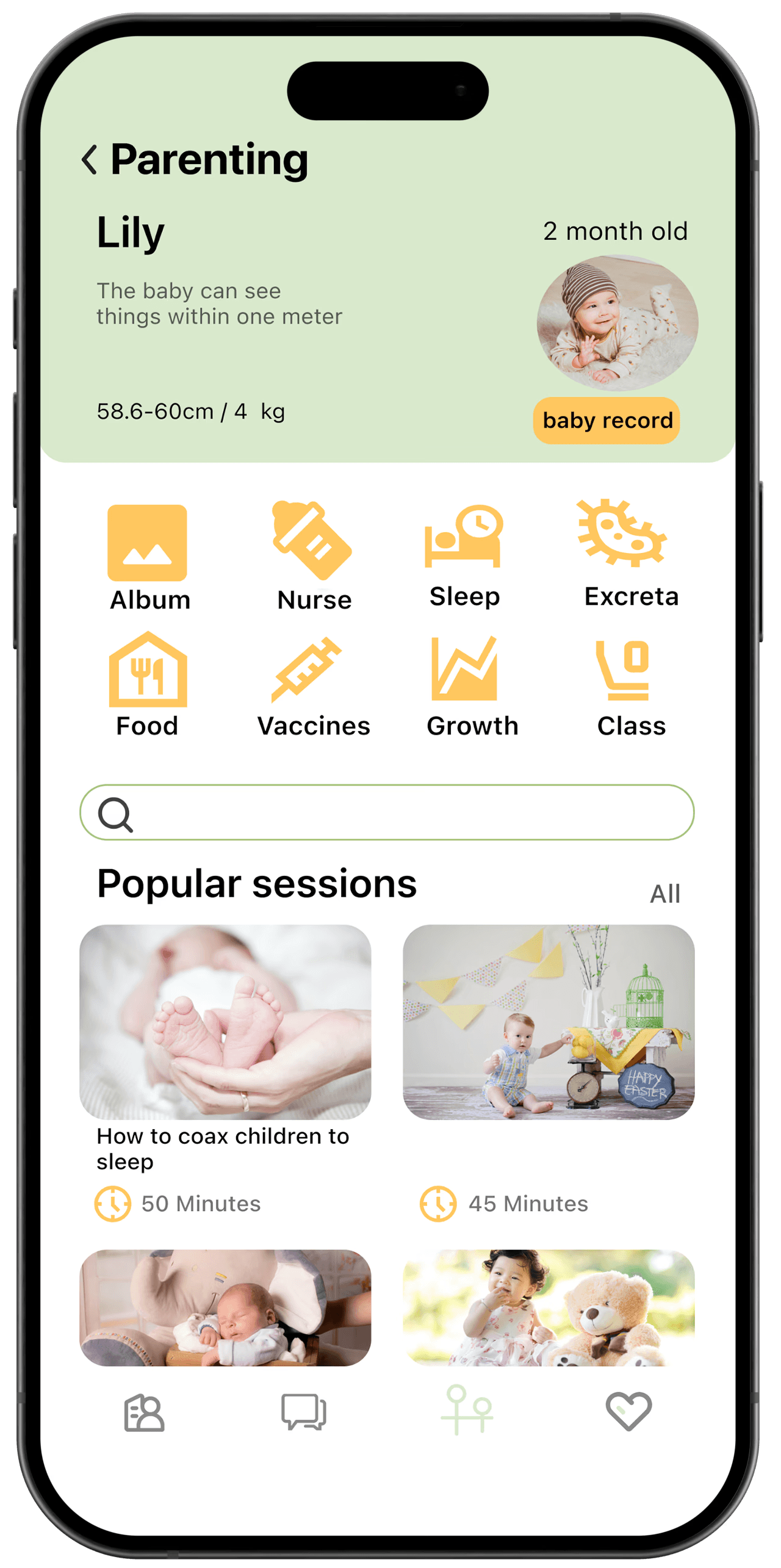
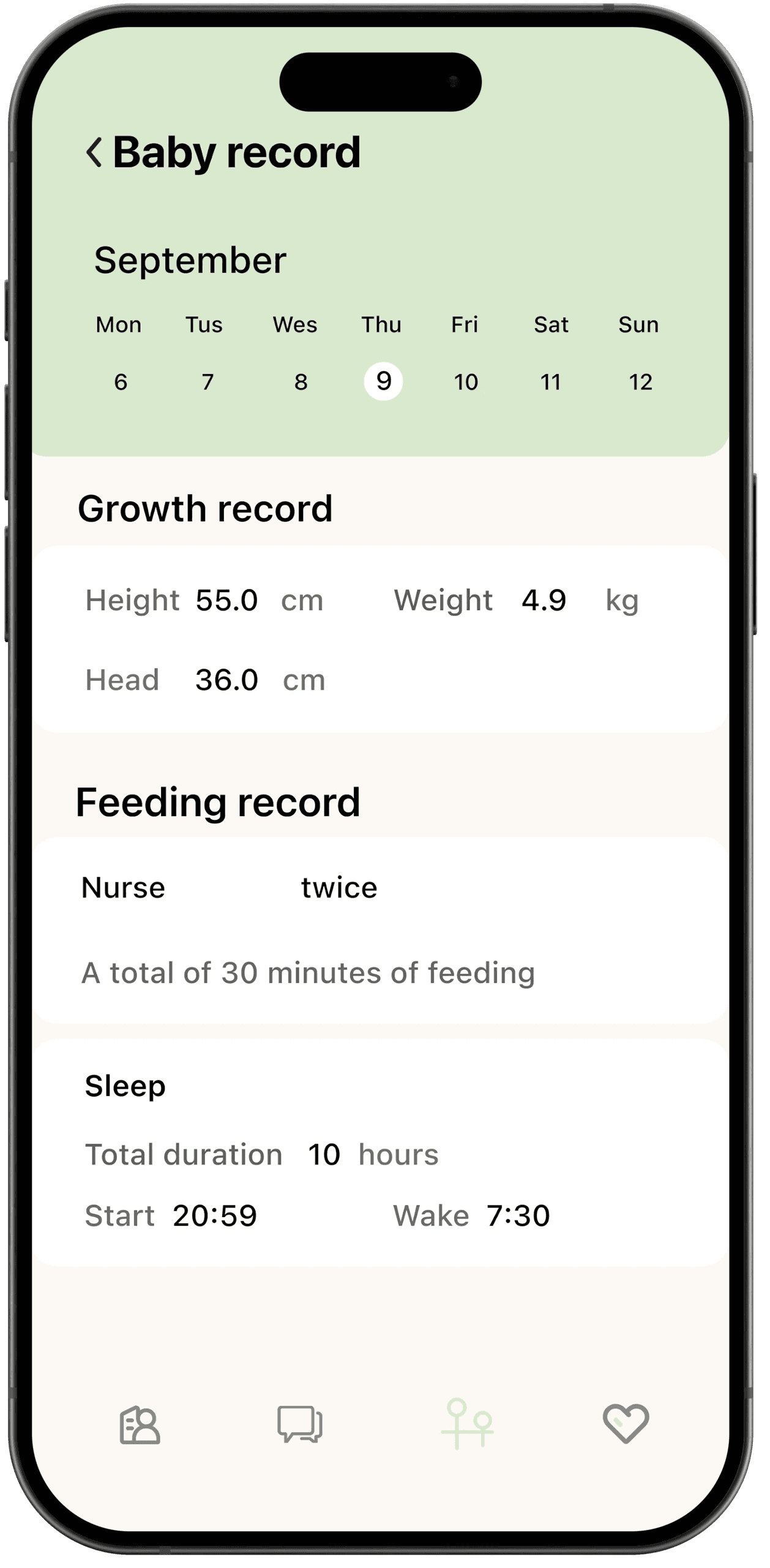
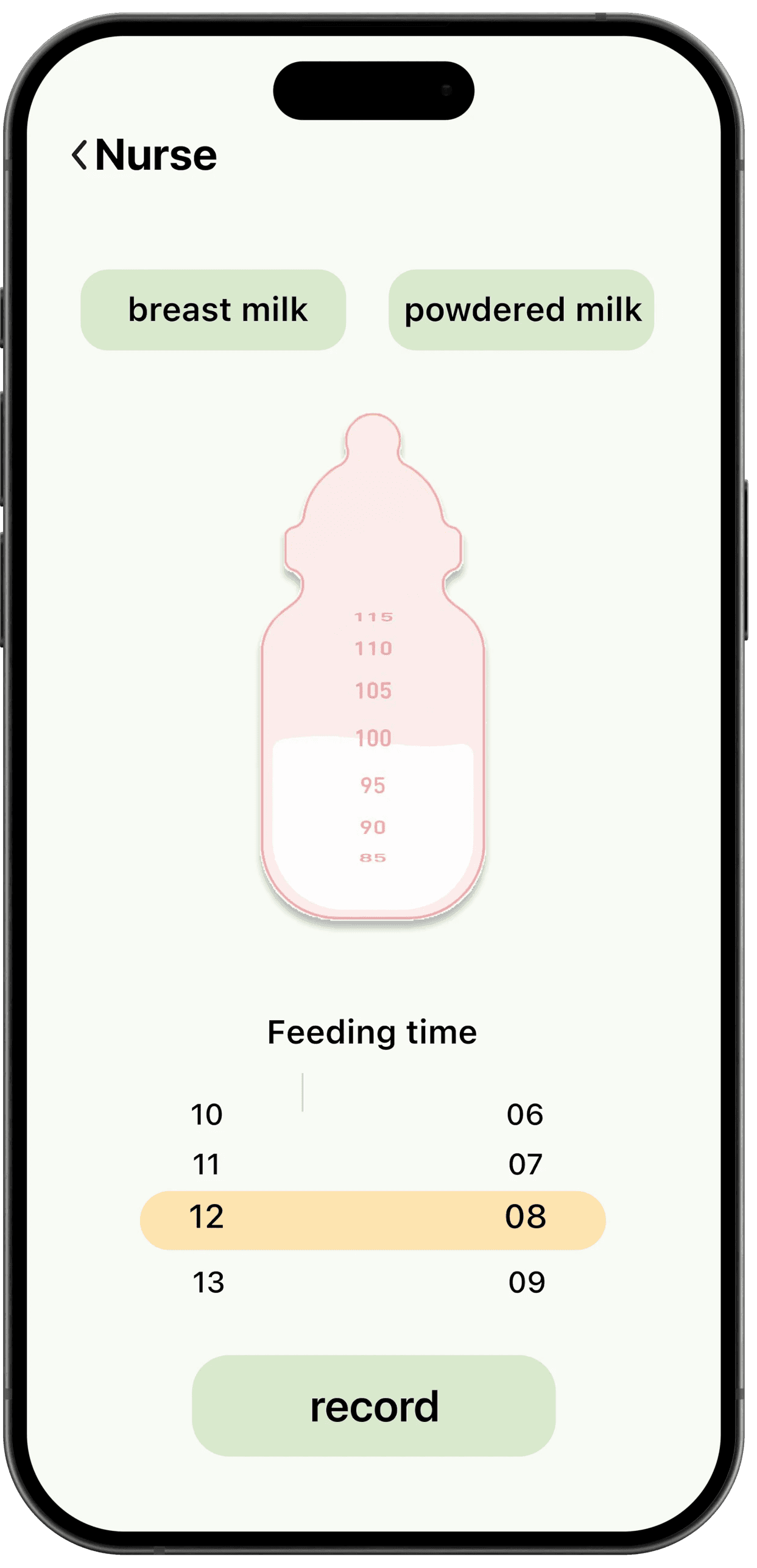
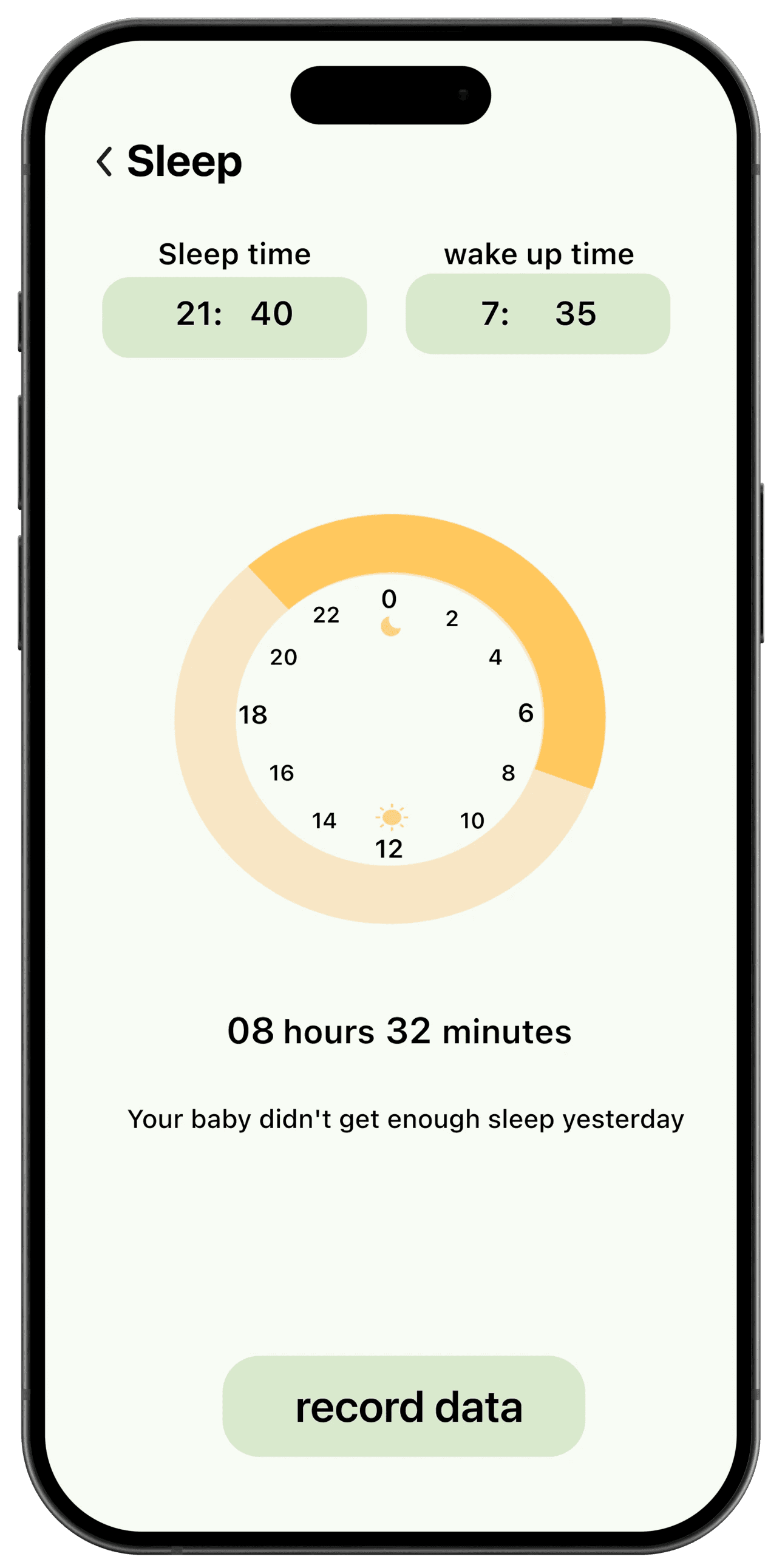
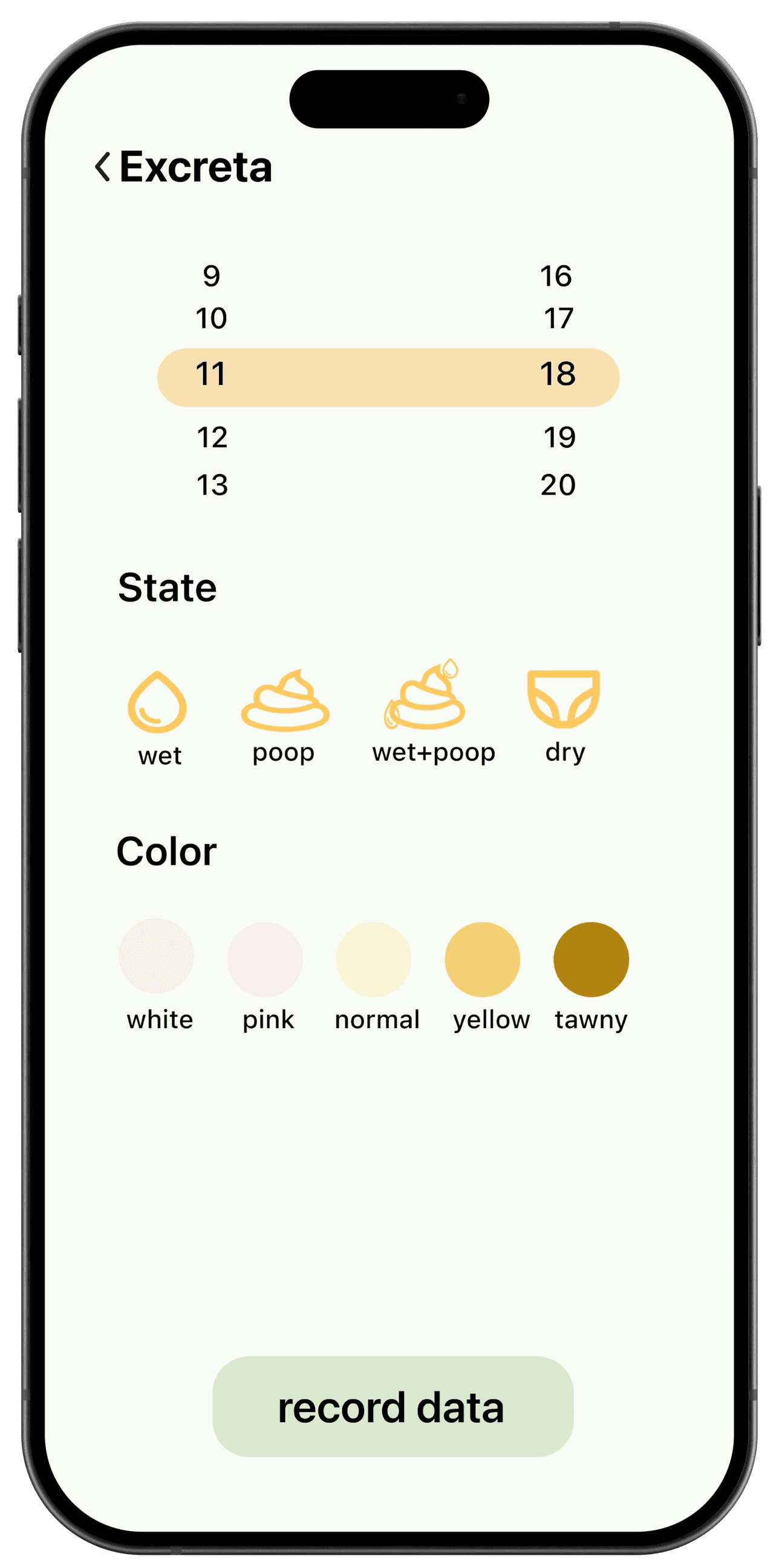
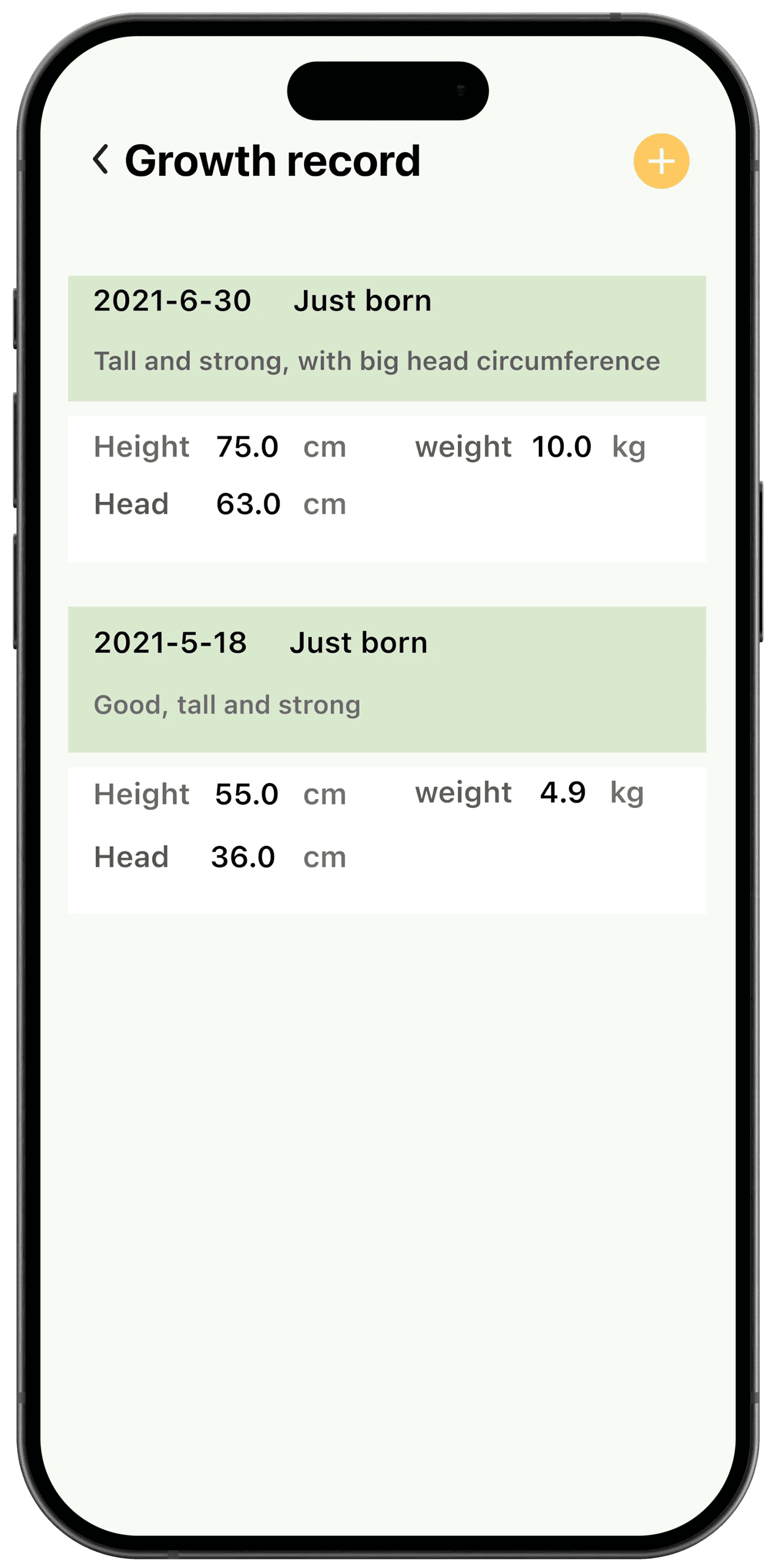
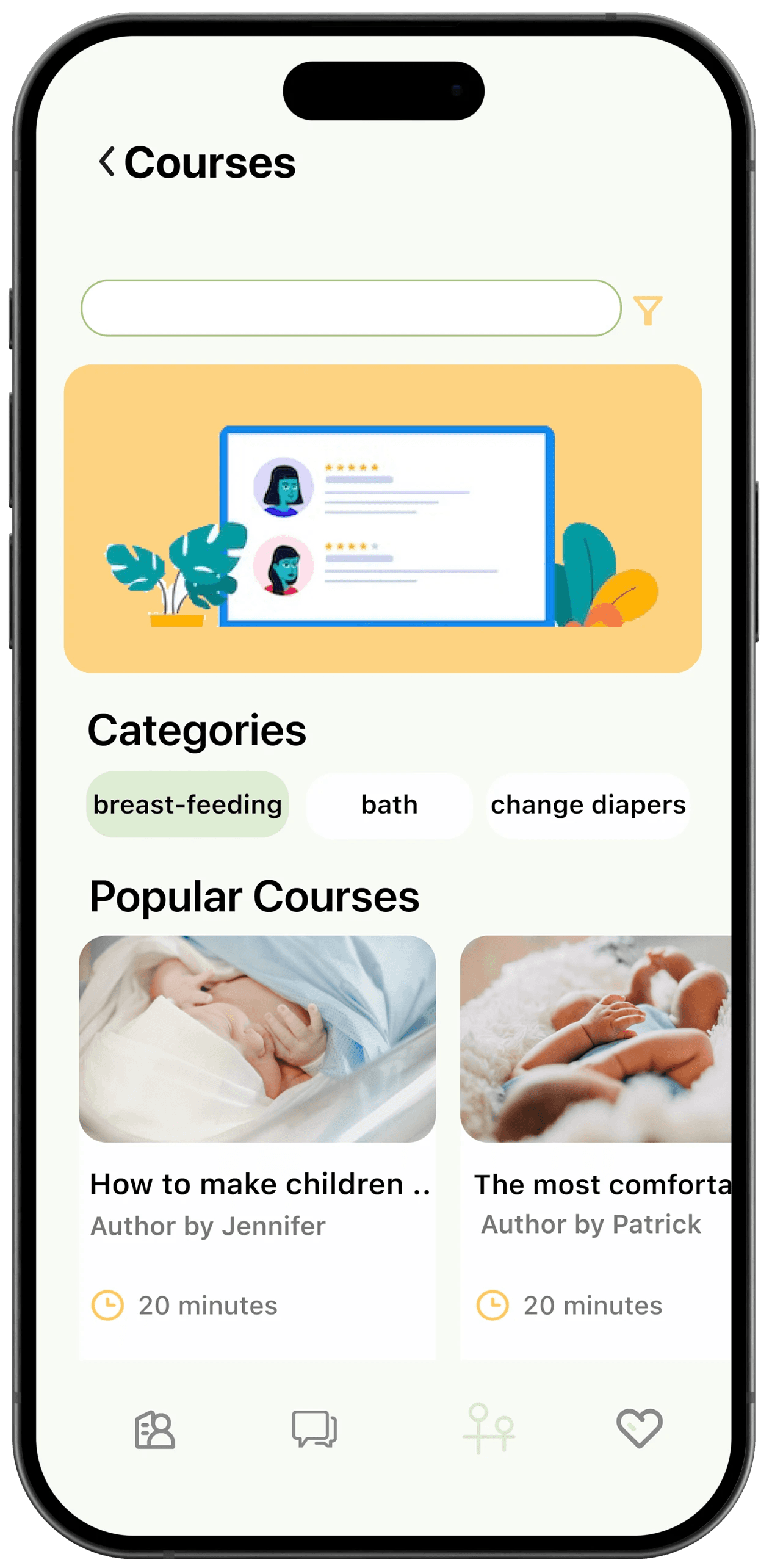
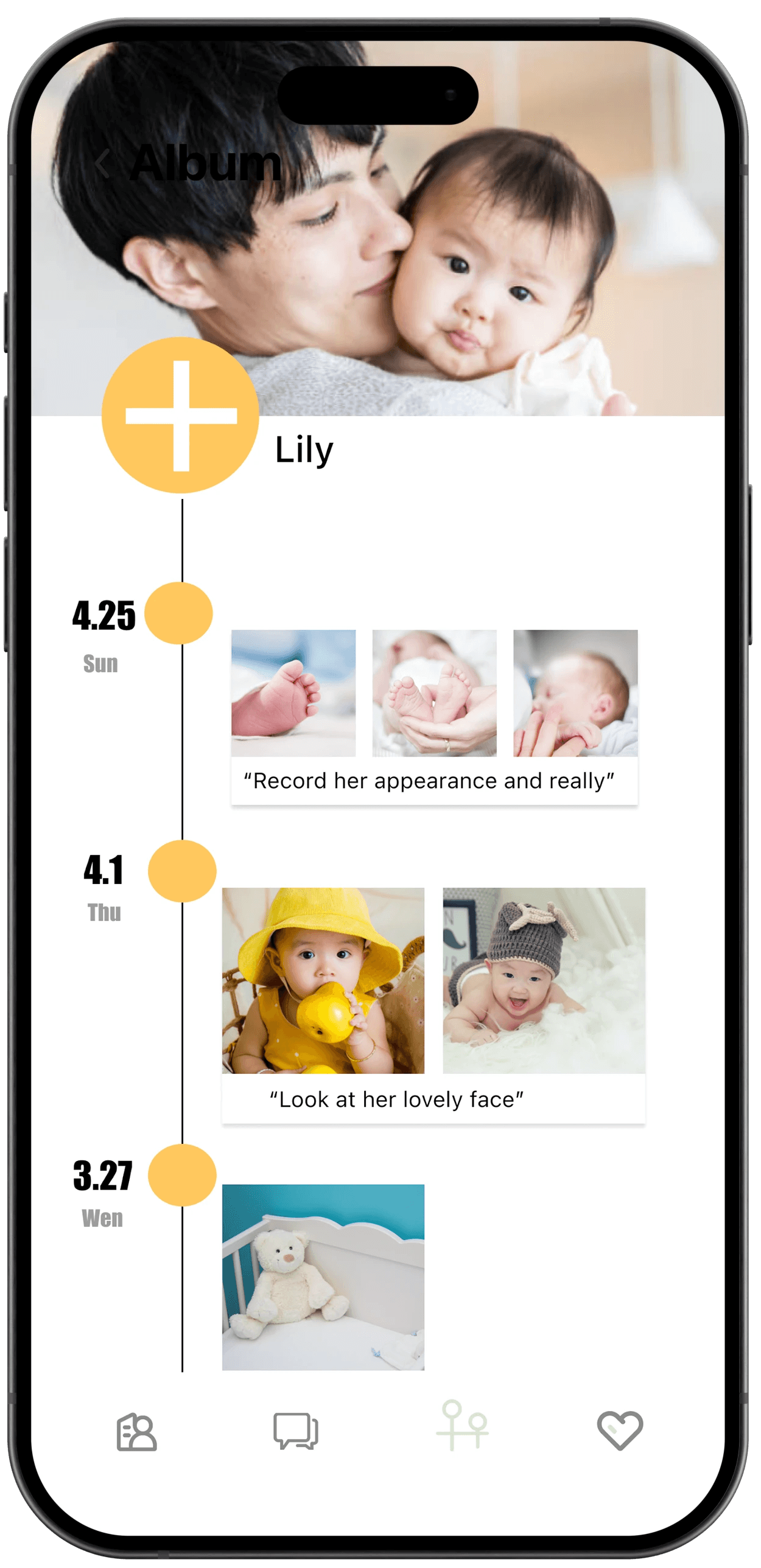
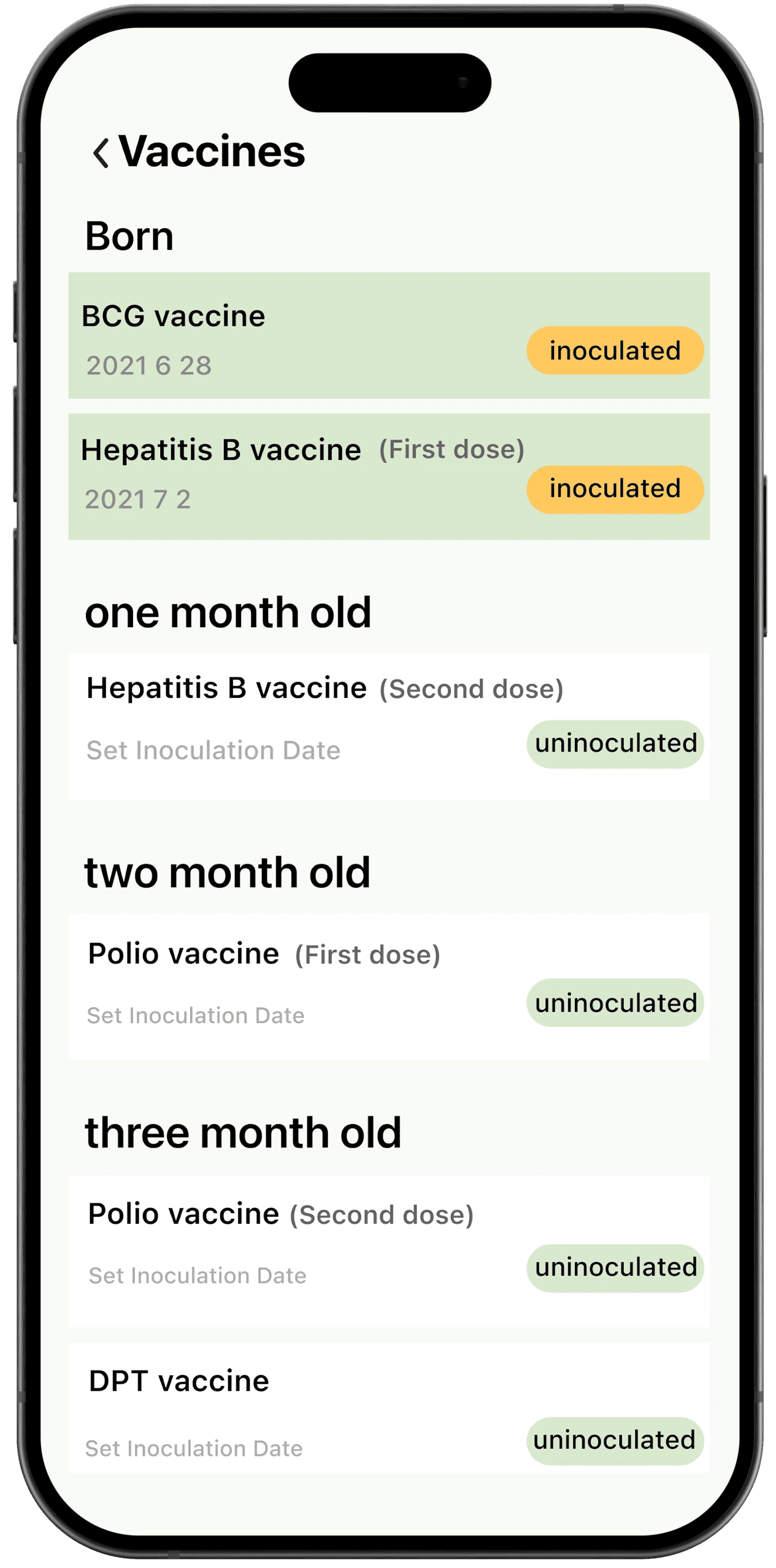
The home screen provides quick access to key functions, while the record view tracks growth, feeding, and sleep—reducing the need for parents to mentally keep track of everyday care.
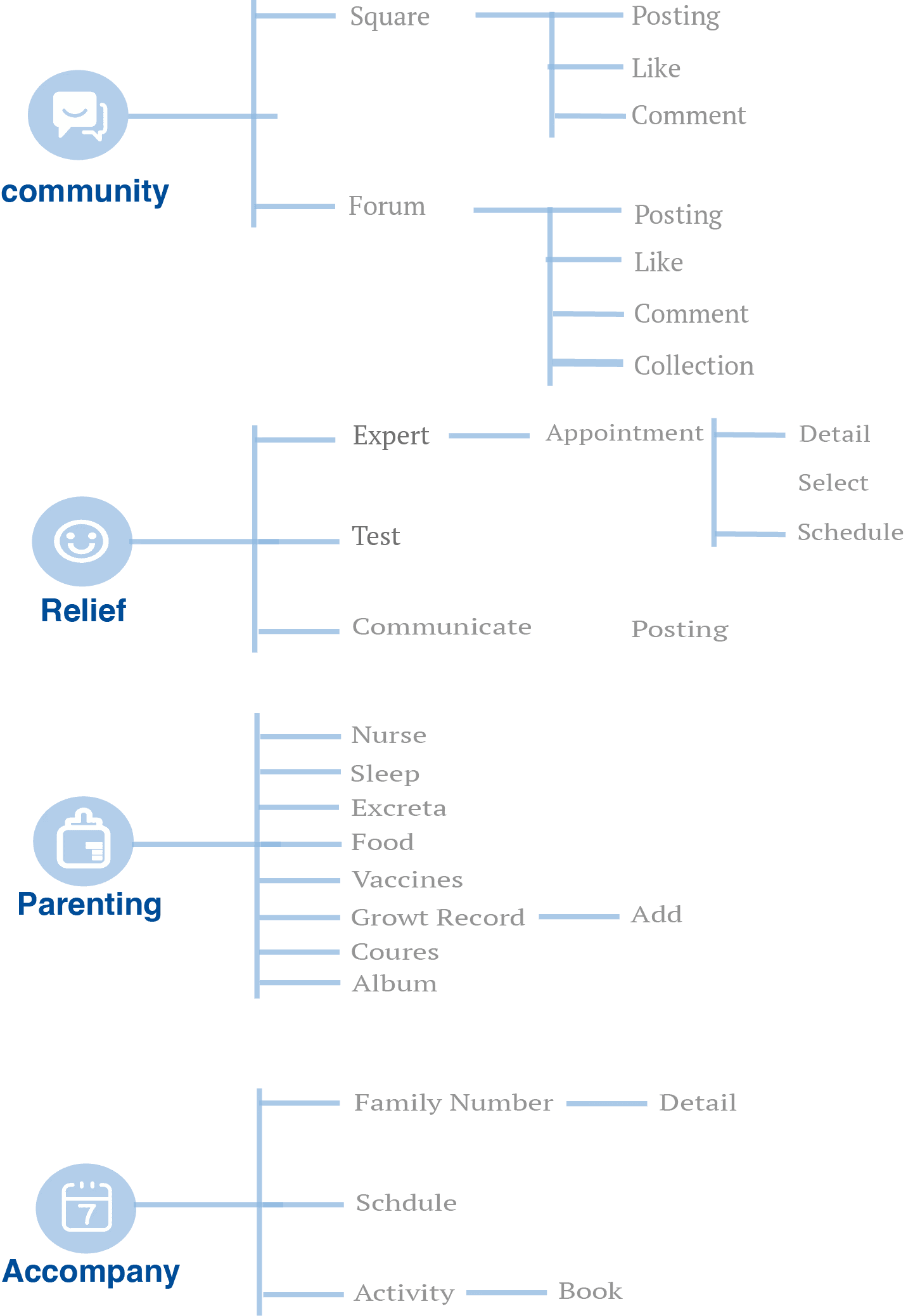
The Parenting section centralizes daily caregiving by combining an overview hub with detailed baby records.
A structured support layer that reduces the mental load of daily caregiving.
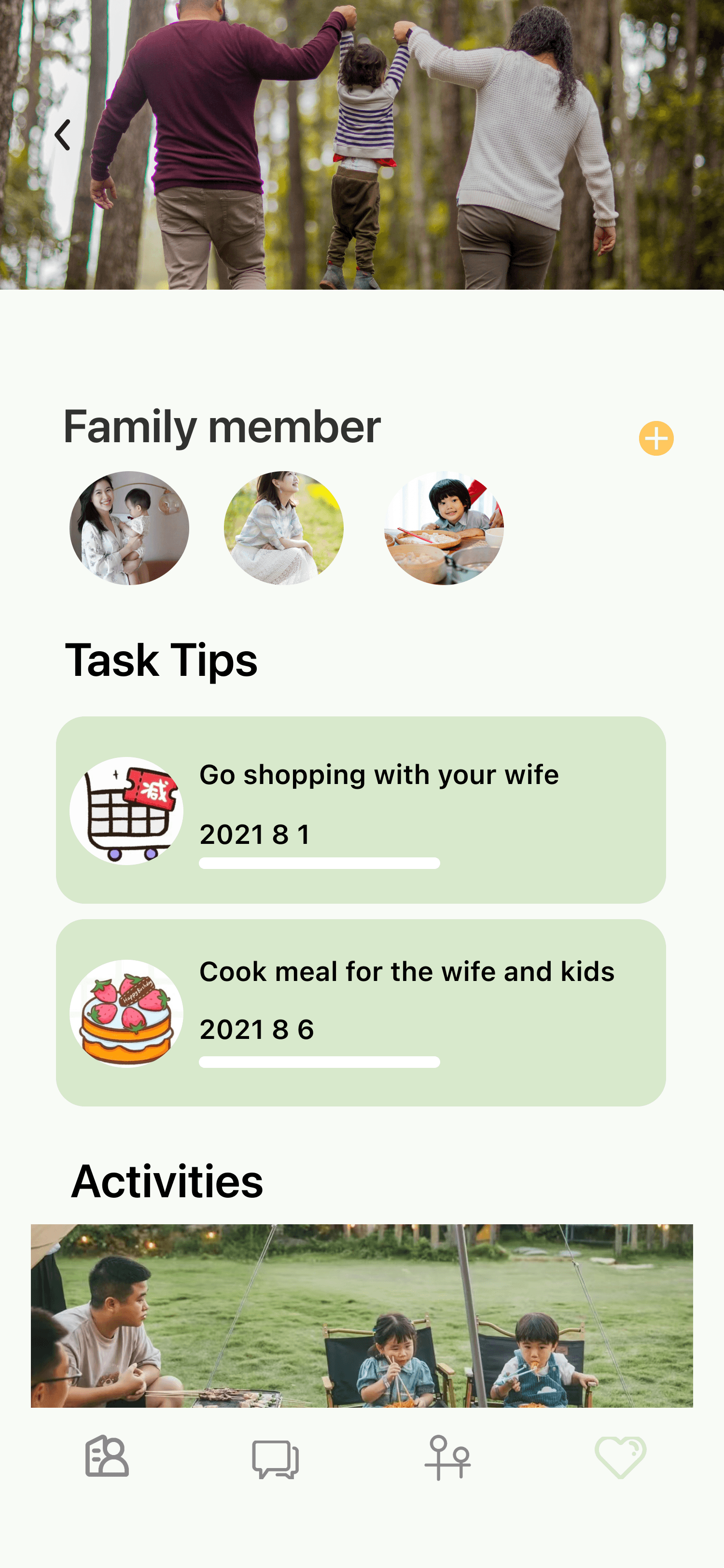
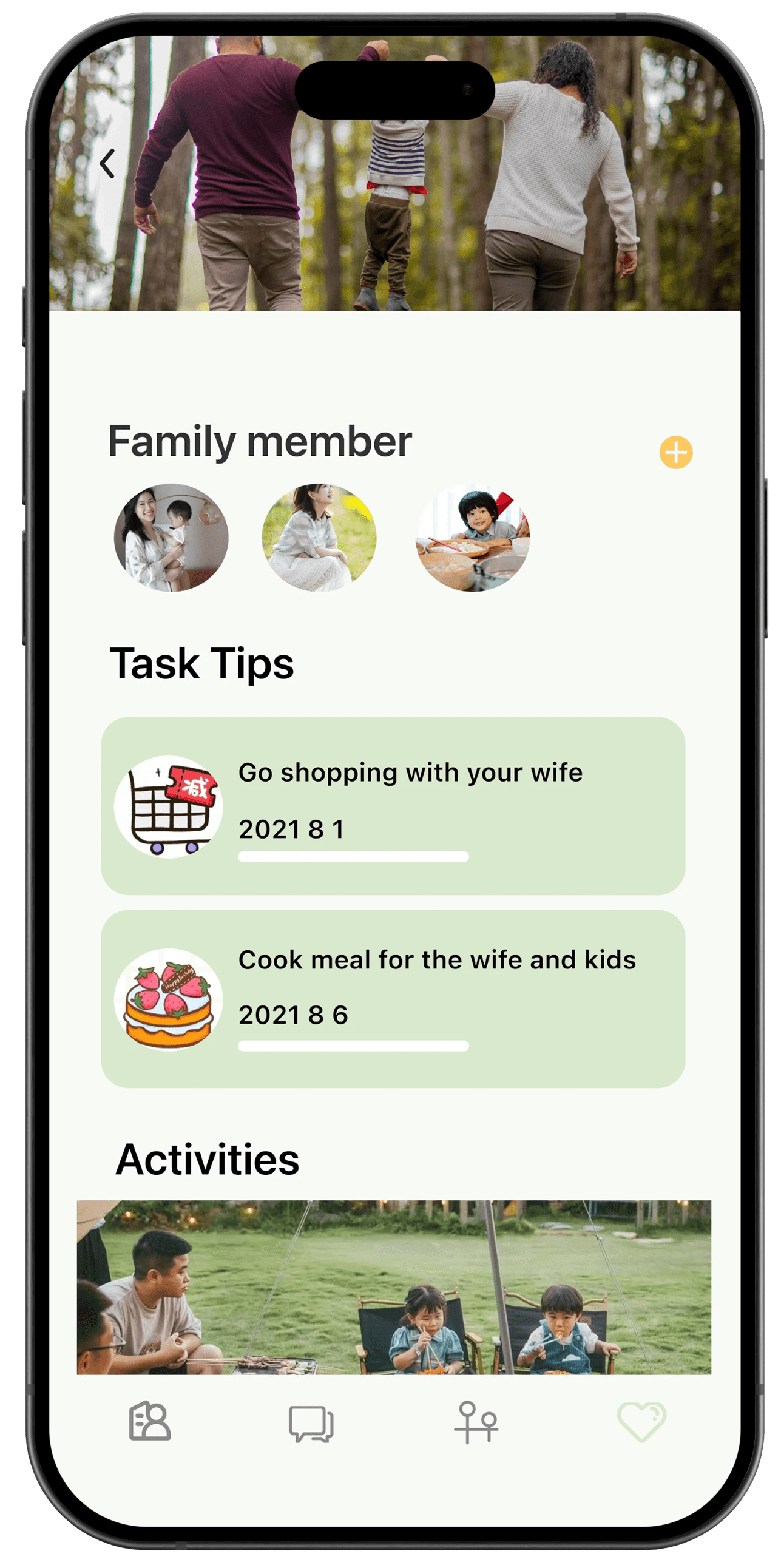
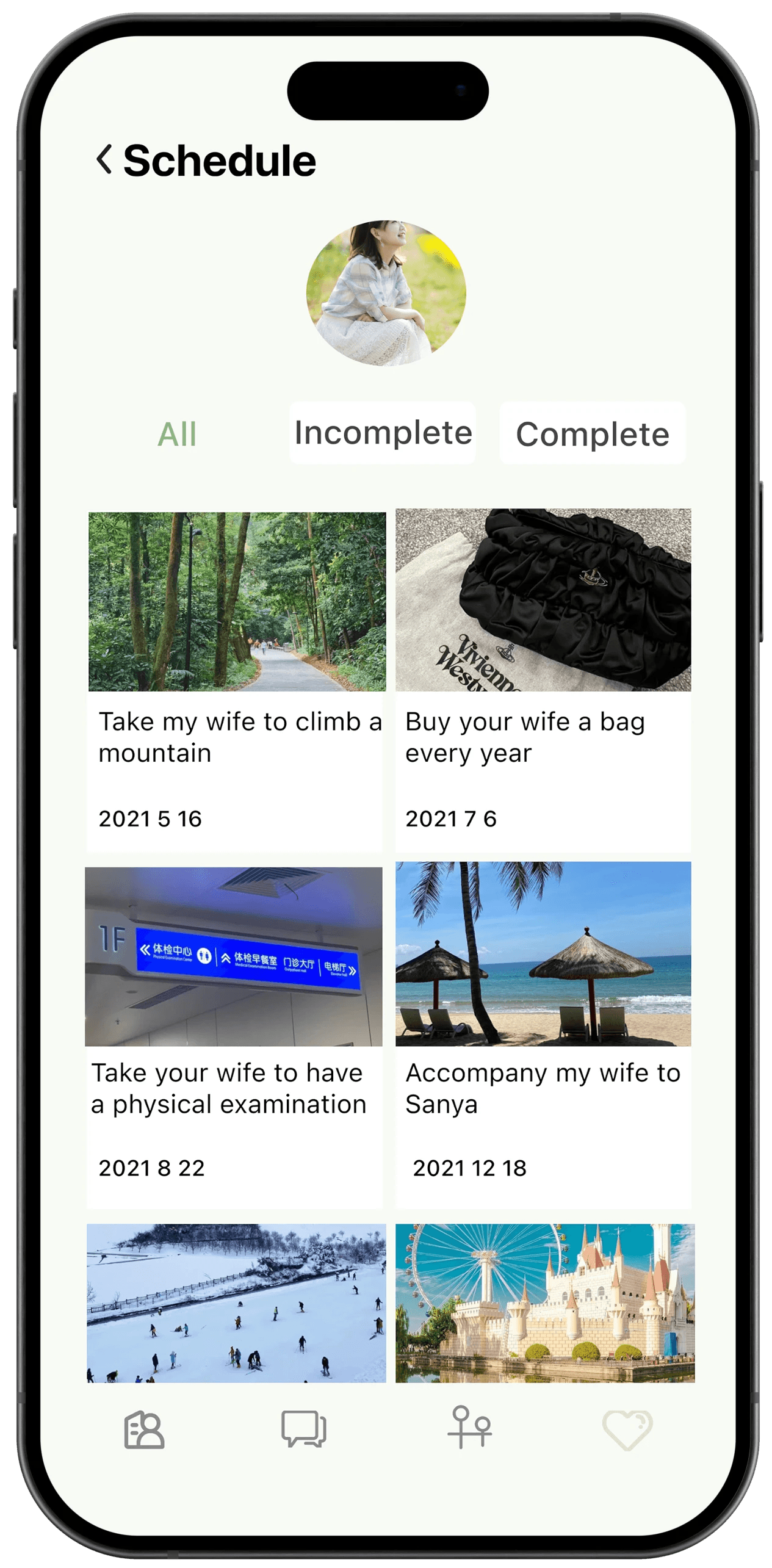
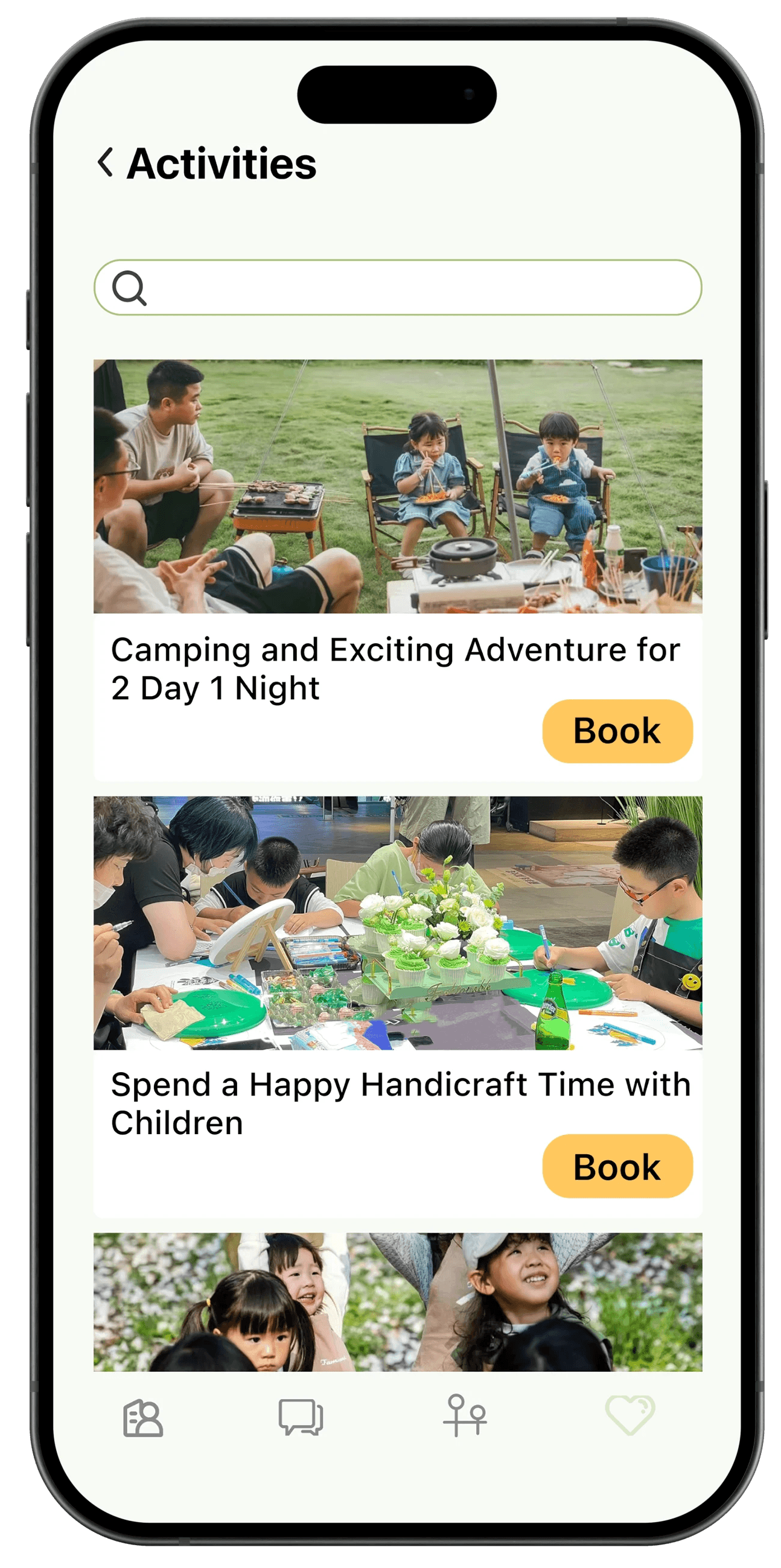
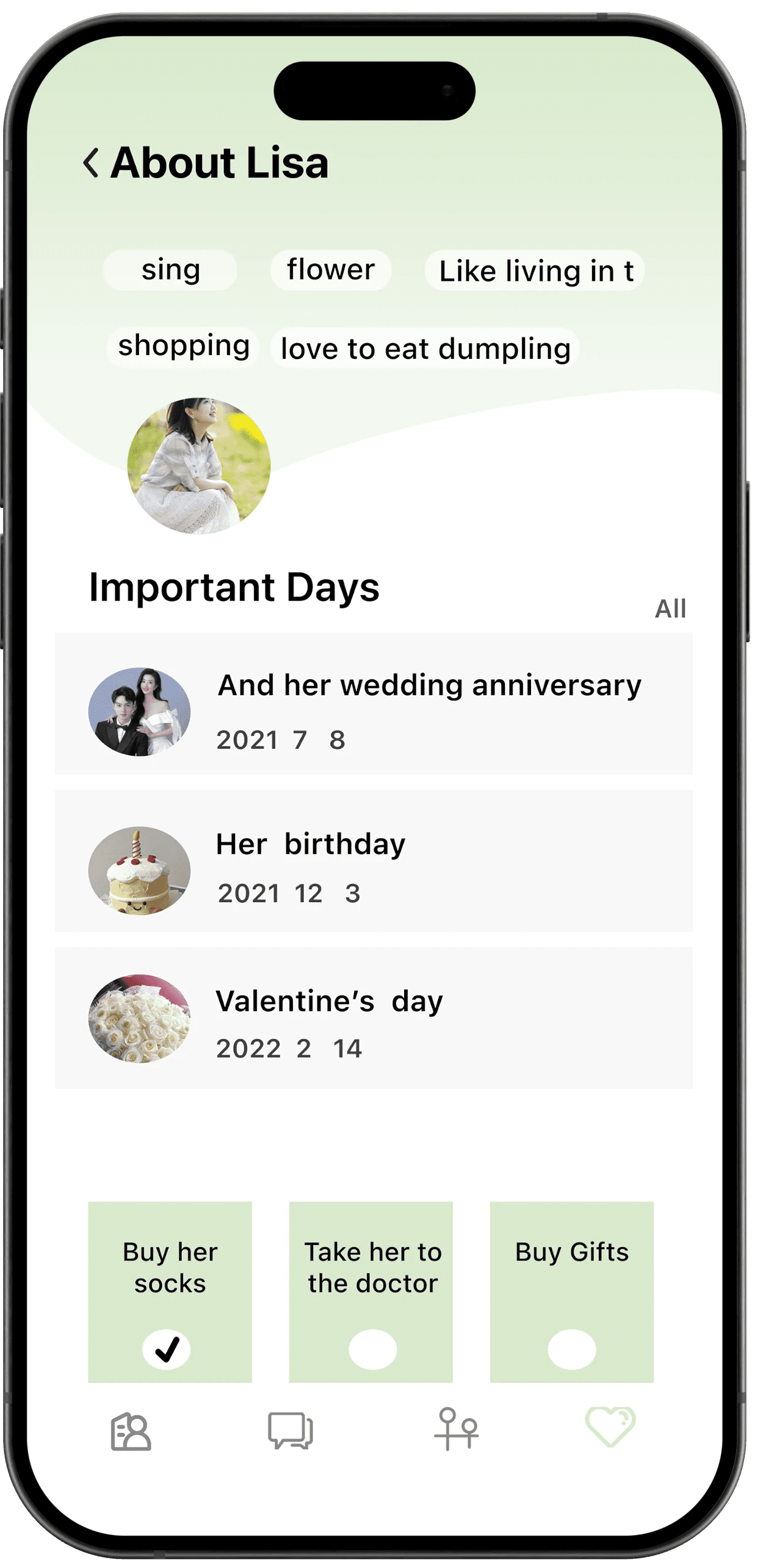
This feature reduces fathers’ stress by supporting partner relationships through timely reminders and shared moments.
Parenting Home+ Baby Record
Relationship-Centered Reminders
PART 3
Parenting
PART 3
Accompany
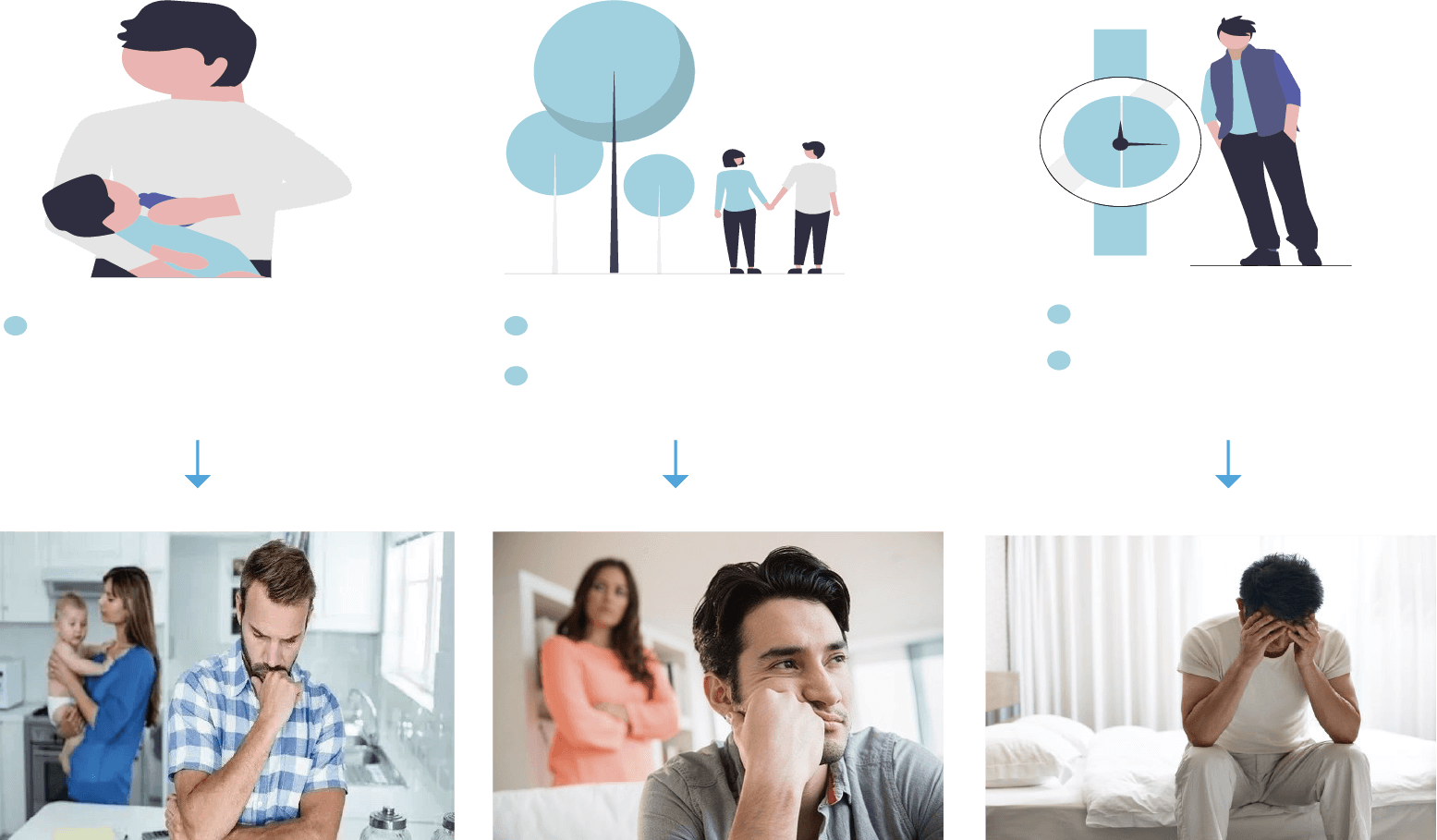
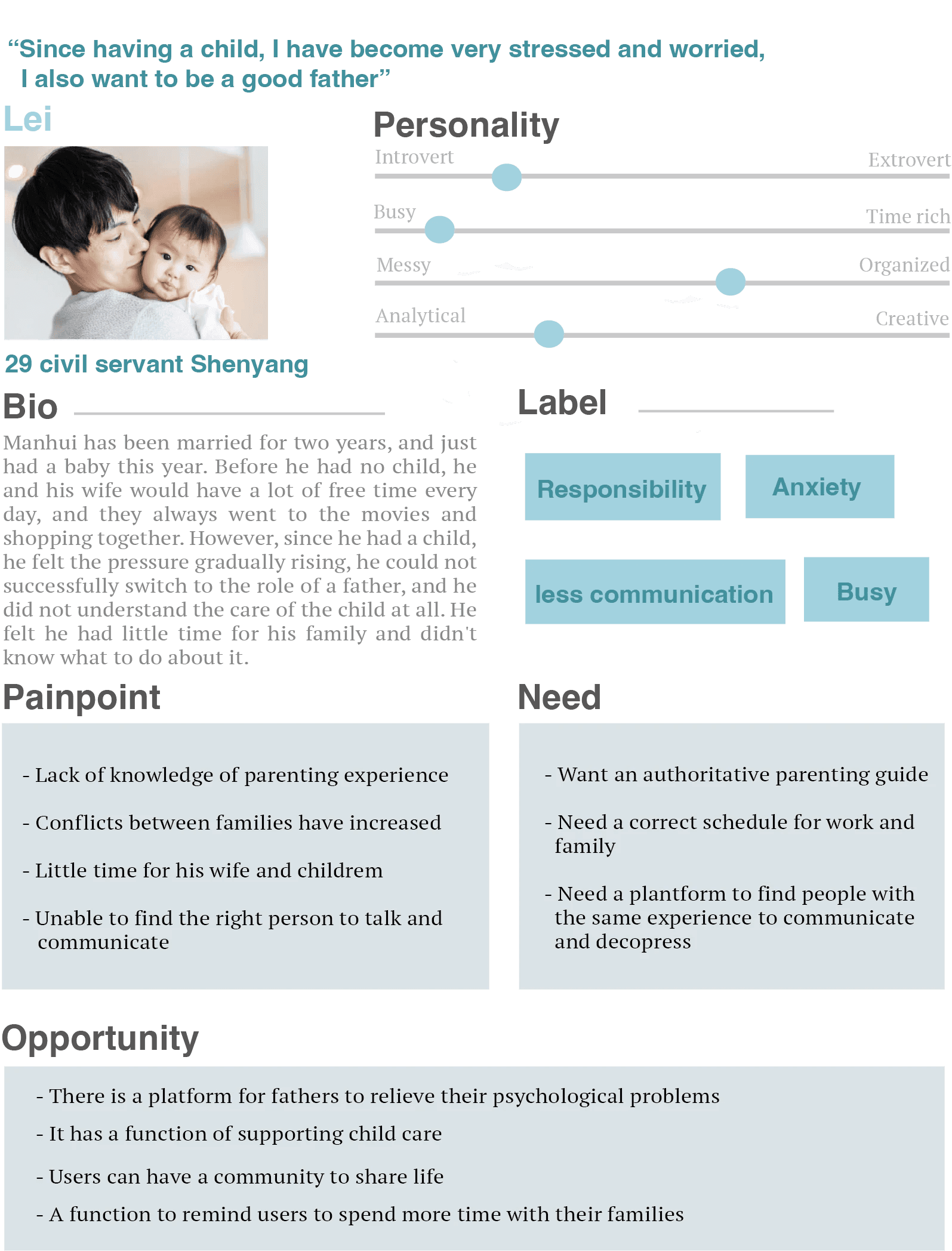
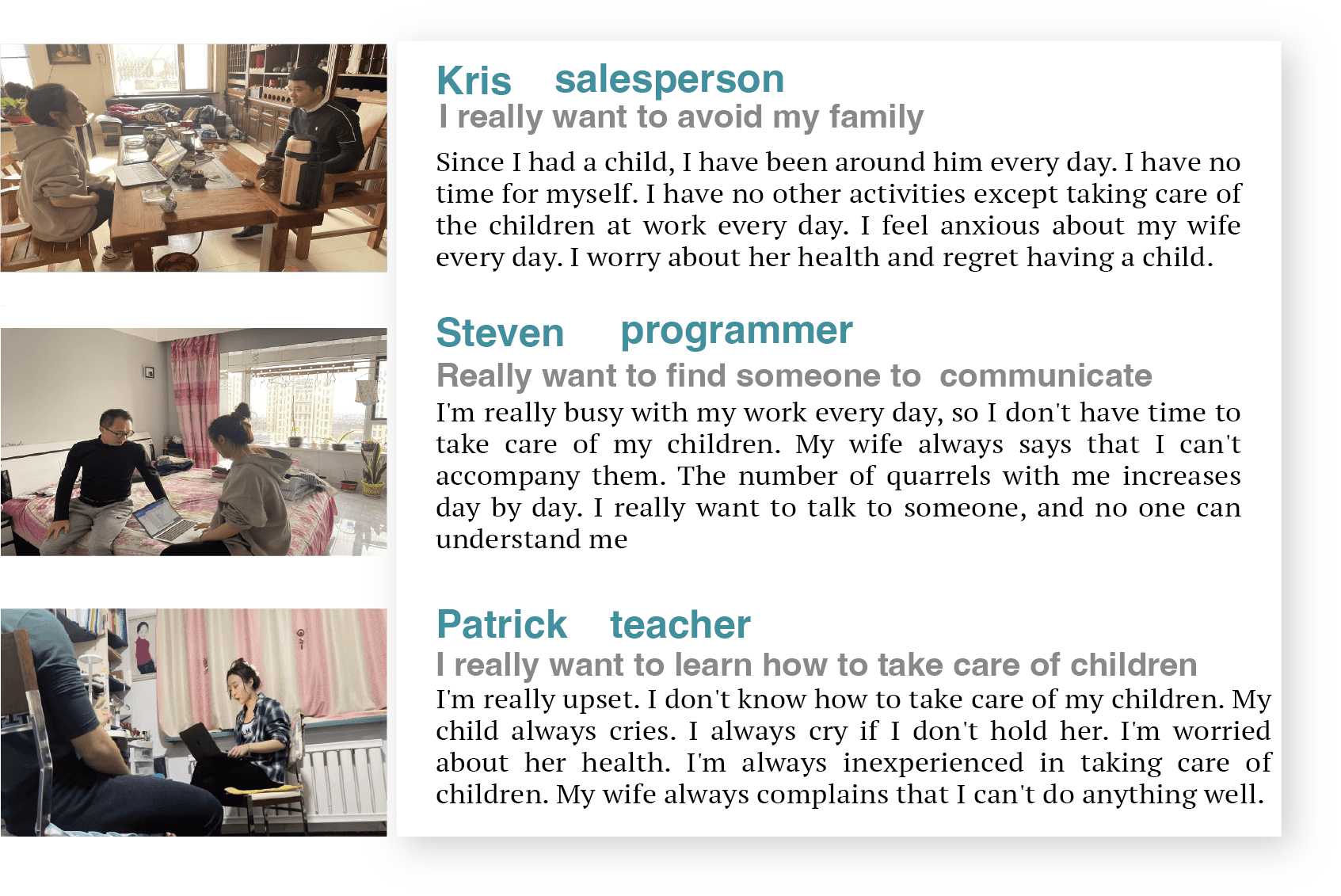
From Really less experience in taking care of children
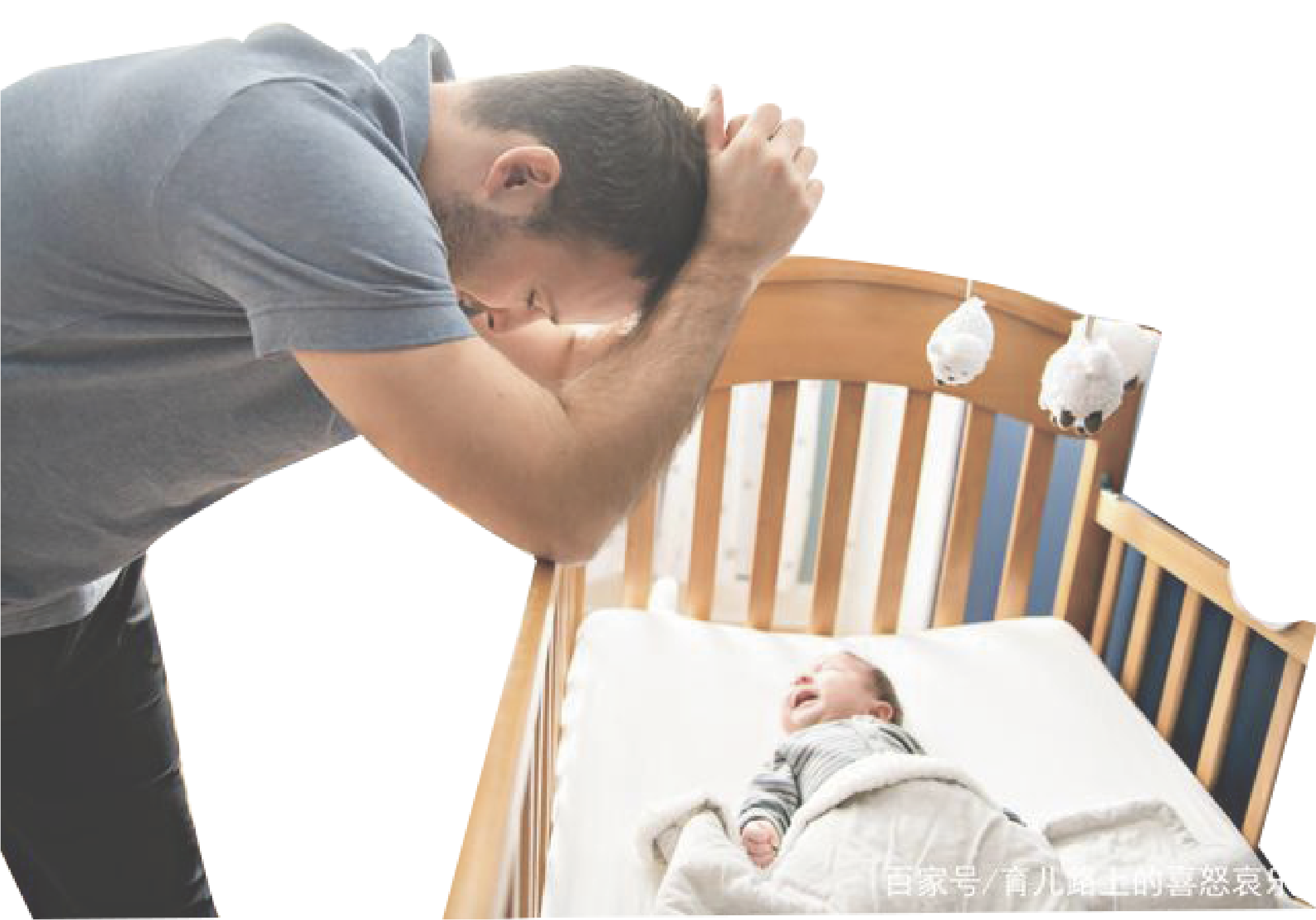
I'm not ready to be a father
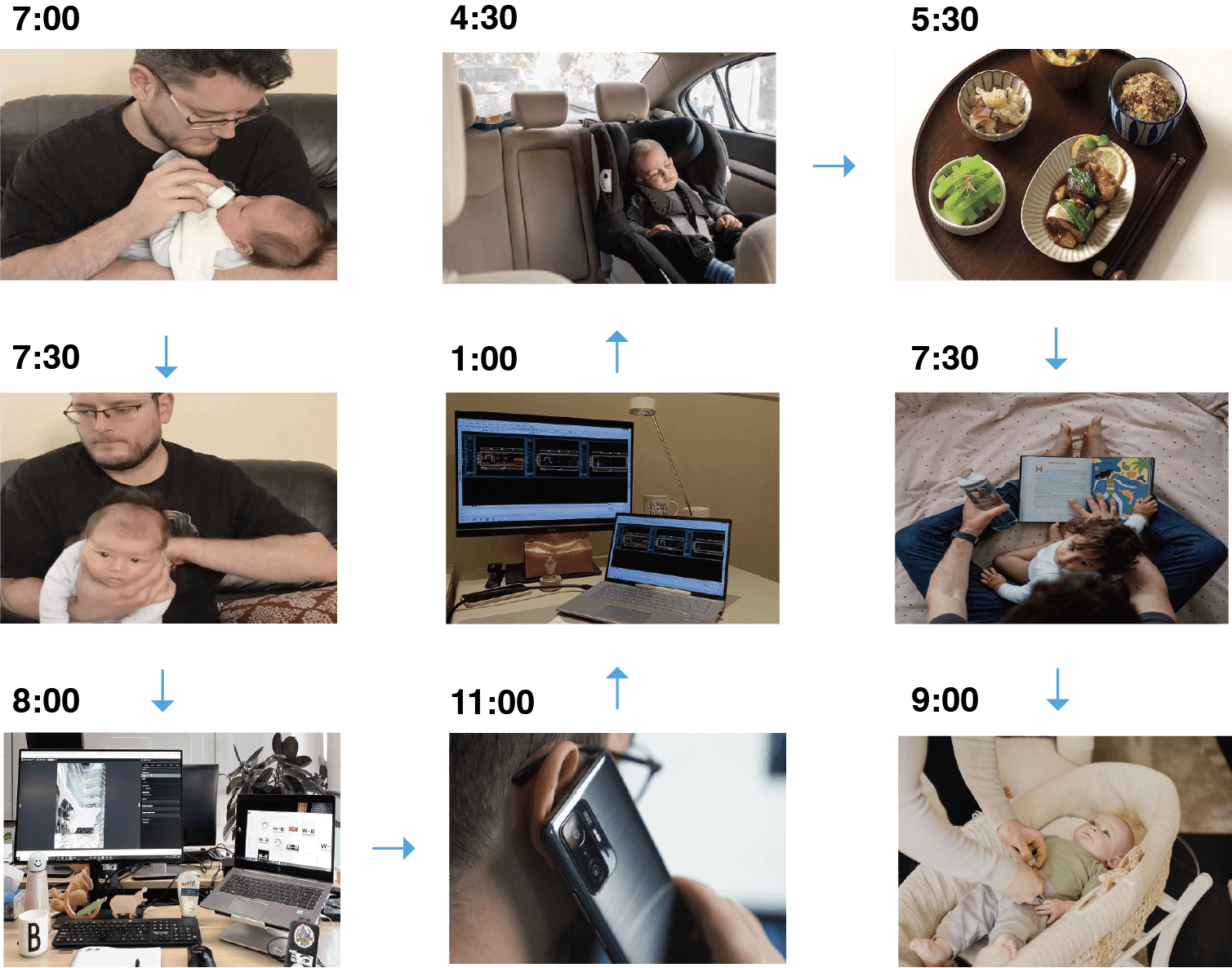
Dad’s time flow of the day
From a father's daily schedule, it can be seen that more than half of the day is spent on the children.
In recent years, more and more data show that fathers are suffering from postpartum depression, which is no longer a label for women, and we should pay more attention to fathers.
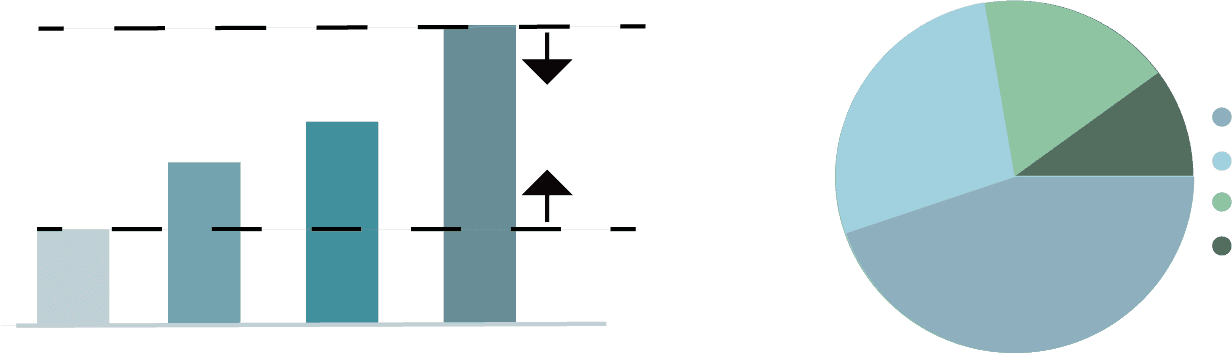
From 2012 to 2022, male postpartum depression has been on the rise. Research shows that father's depression has increased by nearly 45%
Male postpartum depression has not been paid attention to, and people focus on women. However, in recent years, the proportion of male postpartum depression has been closer to that of female postpartum depression.
Do not like children and become bored with them
Arguing with his wife, unwilling to face family relations
Feeling become low and
self-evaluation decreases
The proportion of male postpartum depression can be seen that the proportion of depression has reached nearly half.
Male patients with depression in China
Proportion of male depression
Reflection
This project showed me that supporting fathers’ emotional well-being is less about direct intervention and more about reducing everyday stress points. By translating research insights into a system of community sharing, structured parenting support, relief tools, and relationship-focused reminders, I learned how UX design can ease pressure through routines and relationships rather than explicit guidance.